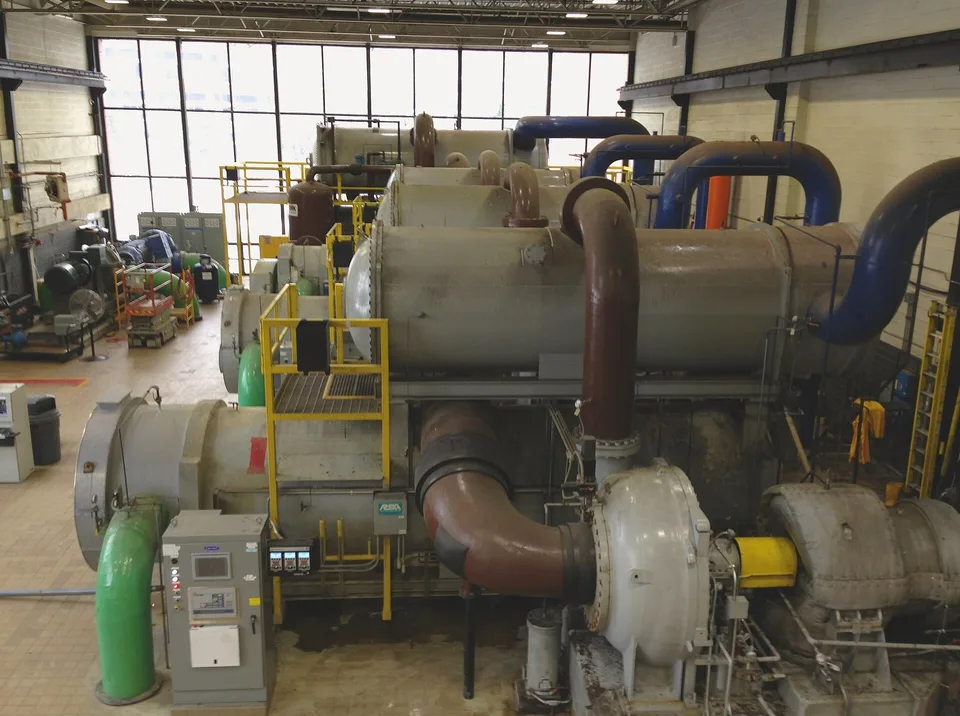
A corporate feature in the Economic Daily News on October 20, 2026 reported that Hanbell Precise Machinery showcased oil-free centrifugal and screw refrigerant compressors. According to Hanbell, its RTM and other series can use the ultra-low-GWP refrigerant R1234ze(E) and the transitional refrigerant R513A, and meet CNS Tier 1 energy efficiency. The same page reported that Super Air Condition Co., Ltd. (Hsin Kuo) has worked with the Industrial Technology Research Institute (ITRI), Hanbell and Fu Sheng to mass-produce Tier 1 chillers through a domestic supply chain, and that these chillers are already in use at a large hospital in Sanxia, New Taipei City. Hanbell also says its heat pump systems can deliver water at up to 150°C, and it offers products for cold chains, data center cooling and ORC waste-heat power generation. Below is a summary of the refrigerant regulations, ITRI's magnetic-bearing chiller and immersion cooling technologies, and the products and case data.
Refrigerant GWP and Taiwan's HFC phase-down schedule
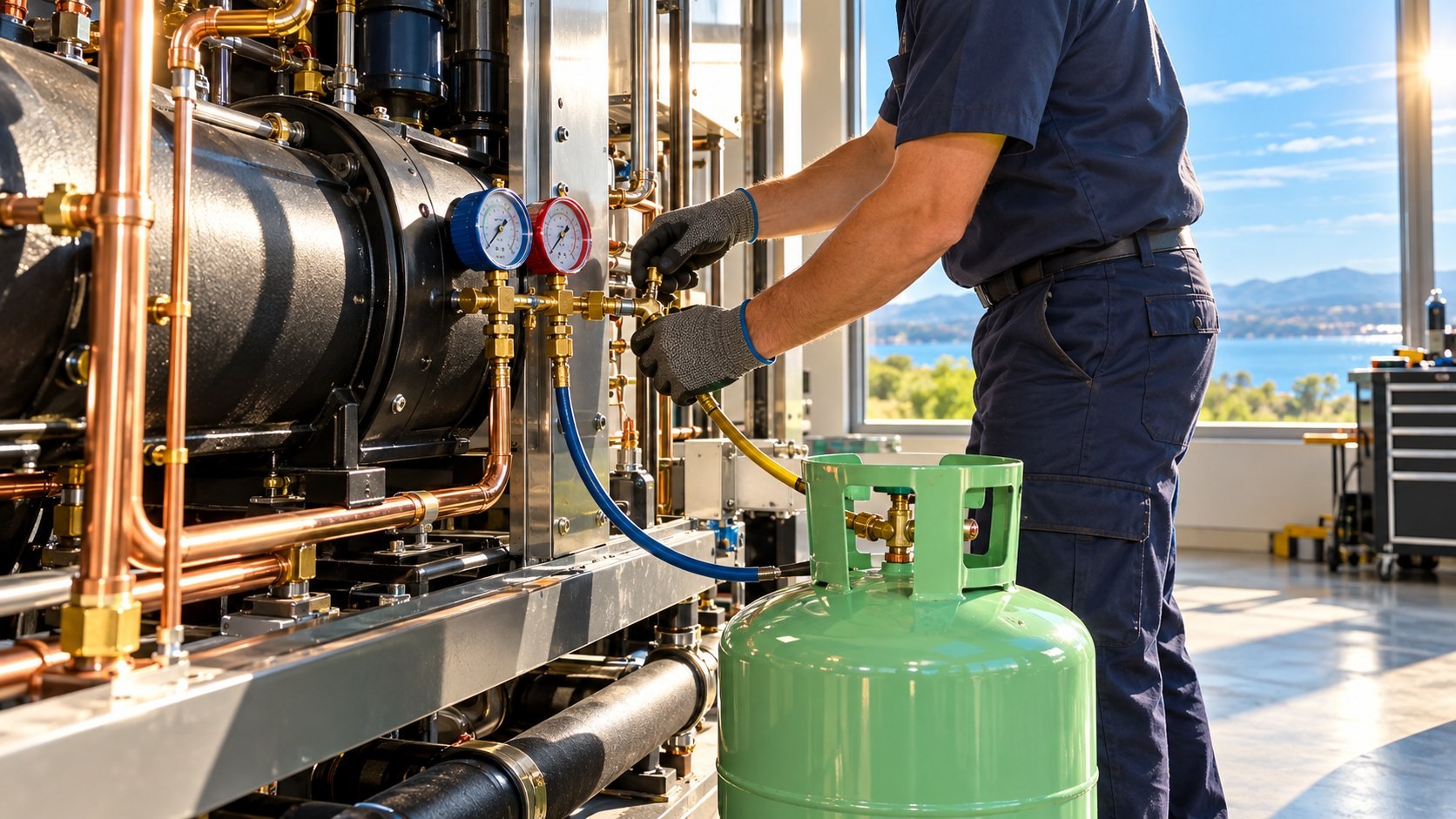
This article uses the 100-year global warming potential (GWP₁₀₀), which compares the warming effect of a gas with that of the same mass of carbon dioxide (CO₂) over a 100-year horizon. The Ministry of Environment's greenhouse gas inventory guidelines use values from the IPCC Fifth Assessment Report (AR5): R134a, the conventional chiller refrigerant, has a GWP of 1,300, while R1234ze(E) is below 1. The US SNAP list of substitutes for centrifugal chillers gives R513A a GWP of 630 and lists it as an acceptable substitute for new equipment and retrofits; actual use must still comply with the relevant restrictions. Under the same program, R134a may in principle no longer be used in new centrifugal chillers from January 1, 2024, with certain exceptions.
To align with the phase-down path of the Kigali Amendment to the Montreal Protocol, the Ministry of Environment issued the HFC Management Regulations on February 25, 2025 under the Climate Change Response Act, setting a national consumption baseline of 24,523.8642 thousand tonnes CO₂e. The phase-down schedule for the annual cap on national consumption is:
- Frozen at 100% of the baseline from 2026
- Reduced to 90% from 2029 and to 70% from 2035
- Reduced to 50% from 2040, and to 20% from 2045, a reduction of 80%
Hanbell's oil-free centrifugal and screw compressors
Hanbell Precise Machinery says it has more than 30 years of research and development in fluid machinery and is one of the few companies worldwide able to mass-produce both centrifugal and screw refrigerant compressors in-house. The main products, according to the company:
- RTM series magnetic-bearing centrifugal compressors: magnetic bearings and permanent-magnet direct drive replace mechanical friction and the lubricating oil system, avoiding the thermal-resistance degradation caused by oil films; compatible with R134a, R513A and R1234ze(E)
- RTA series air-bearing centrifugal compressors (50–250 RT): hydrodynamic foil bearings generate a micron-scale air film as they rotate, needing no external air supply or lubricating oil, with a bearing start-stop life of over 200,000 cycles; the company says efficiency is 10–20% higher than the industry level
- RE-AMI-Pro water-cooled permanent-magnet inverter screw compressors: designed specifically for R1234ze(E), mitigating the oil dilution caused by low discharge temperatures
- RM-Pro water-cooled screw compressors: inverter control and a patented rotor profile reduce size and noise; the company says efficiency exceeds the Tier 1 standard by 11%–17%; aimed at the replacement market
Taiwan's Ministry of Economic Affairs grades chiller efficiency by full-load coefficient of performance (COP) tested under CNS 12575. The Tier 1 threshold for water-cooled centrifugal chillers ranges from COP 5.80 to 7.10 depending on capacity, and from 5.15 to 6.35 for water-cooled screw chillers.
Magnetic-bearing chiller technology from ITRI
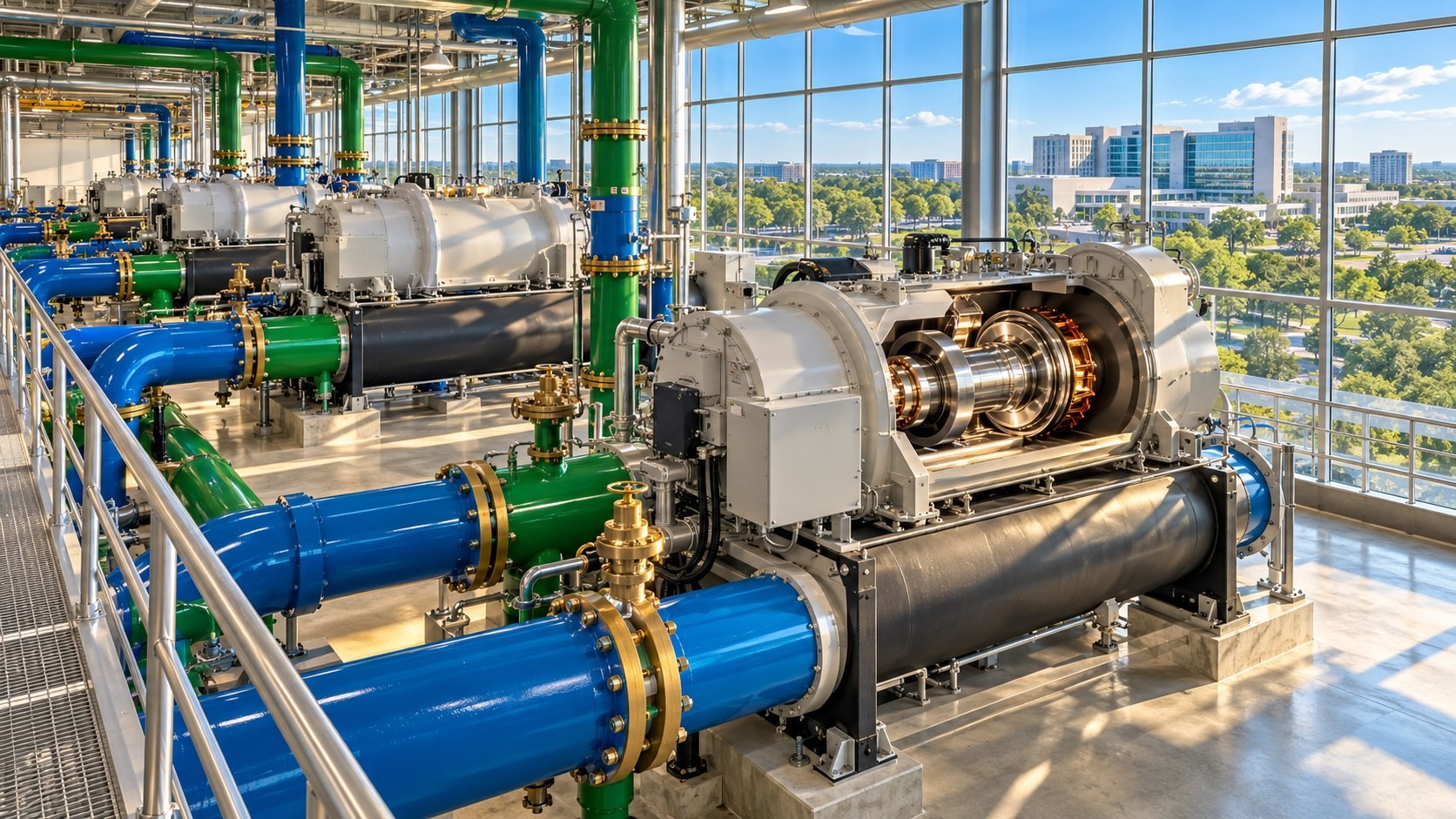
A magnetic-bearing centrifugal compressor levitates its shaft on active magnetic bearings and drives the impeller directly with a high-speed motor and variable-frequency drive (VFD), so there is no bearing friction and no lubricating oil circuit. ITRI's Green Energy and Environment Research Laboratories (GEL) has worked on the technology with energy R&D project funding from the Ministry of Economic Affairs (MOEA). According to a 2021 report in the Commercial Times, ITRI had by then completed the key components: high-speed induction and permanent-magnet brushless motors with VFDs (100 kW at 24,000 rpm to 300 kW at 15,000 rpm), magnetic bearings and controllers with micron-level position sensing, and high-speed aluminum-alloy impellers and composite shafts, with Taiwanese manufacturers producing the parts. ITRI notes that magnetic-bearing centrifugal compressors used in Taiwan were mostly imported in the past. With MOEA support, ITRI in 2022 worked with 13 companies, including Hanbell, Fu Sheng, Super Air, Delta Electronics and TECO, to set up Taiwan's first domestic supply chain for magnetic-bearing centrifugal compressors and chillers.
To replace R134a (GWP 1,300) with R1234ze(E) (GWP about 1), GEL designed its own two-stage compression aerodynamic components for low-GWP refrigerants. Specifications published on ITRI's technology transfer pages:
- Oil-free centrifugal chillers for R1234ze(E): single- and dual-compressor models rated 352–1,933 kW (about 100–550 RT) of cooling at full load, with evaporator and condenser approach temperatures of 0.5°C and 0.7°C. ITRI says the chillers are 10% more efficient than Taiwan's Tier 1 energy-efficiency threshold, and their integrated part load value (IPLV) is 30% higher than the top efficiency benchmark in ASHRAE standards
- 525 kW (150 RT) two-stage magnetic-bearing centrifugal compressor: lower total harmonic distortion in the permanent-magnet motor cuts high-frequency IGBT switching losses in the inverter, and mid-pressure economizer gas injection raises the isentropic efficiency of the impellers; COP ≥ 6.40, IPLV ≥ 10.00
- 1,000 kW-class (250–300 RT) R1234ze two-stage compressor: rated at 14,000 rpm and 150 kW, COP 6.4, IPLV 10.0. ITRI says the two-stage impeller design raises theoretical cooling efficiency by 6–7% over a single stage, and with variable speed plus variable inlet guide vanes the compressor can run from 10% to 100% load while delaying surge
- 550 RT (1,933.8 kW) two-stage compressor for the low-pressure refrigerant R1233zd (GWP 3.88): back-to-back impellers balance axial thrust; ITRI reports isentropic efficiency above 90% and specifies COP ≥ 7.10 and IPLV ≥ 10.00; the technology has been transferred to a Taiwanese compressor maker for pilot production
On field results, ITRI said in 2022 that domestic magnetic-bearing chillers were running at nearly 100 sites, including hospitals, universities, airport terminals, office buildings and tech fabs, saving about 6 million kWh a year in total, or 40–60% compared with conventional chillers. At a 2024 results event, GEL Deputy Director Cheng Ming-shan said the domestic magnetic-bearing chillers deliver energy savings of more than 20% and cut carbon emissions by 1,700 kg per refrigeration ton, and that an R1234ze unit that replaced a high-GWP chiller at a GlobalWafers site is using 60% less electricity. These are ITRI's figures: load profiles, chilled- and condenser-water temperatures and the condition of the replaced units were not published, and savings in replacement projects depend on the old equipment.
ITRI says owners' concern that efficiency would fall after switching to a low-GWP refrigerant was one of the problems the work had to address, and that magnetic-bearing chillers require integrating power electronics, motors, precision machinery and refrigeration, a high barrier to entry. ITRI has licensed patents and know-how, including a spray-type heat exchanger, compressor core parts, aerodynamic component design and an efficiency optimization platform, to Taiwanese makers such as Kuen Ling, Fu Sheng and Hanbell. The technology transfer items and contacts are listed on ITRI's technology transfer page.
Super Air's domestic chillers and a hospital case
The Energy Administration's 2025 energy audit annual report shows that among large energy users, office buildings used 59.08% of their electricity for air conditioning in 2024, and hospitals 59.54% in 2023. ITRI data indicate that chillers account for about 44% of air-conditioning electricity use.
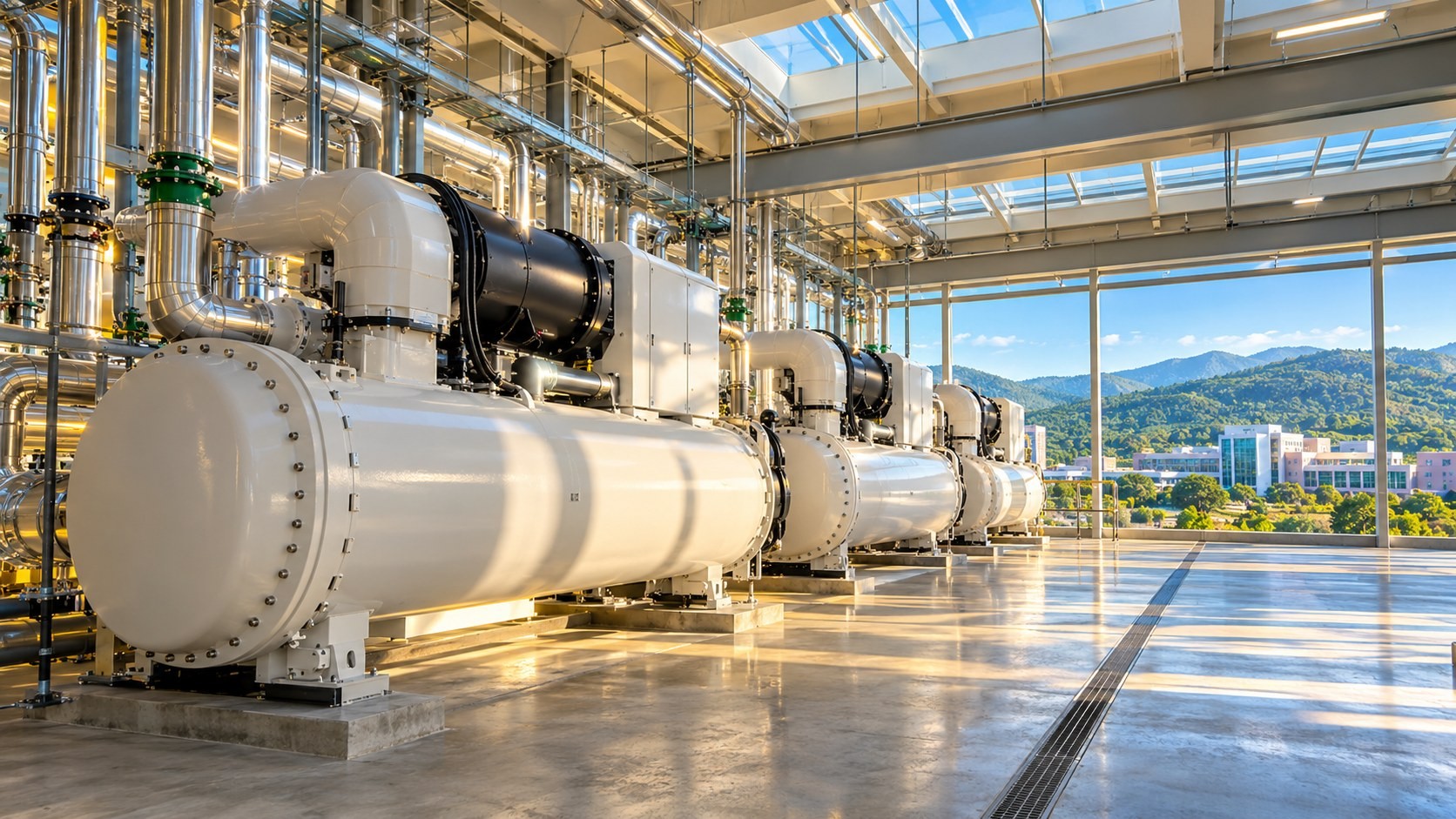
Yu Yuan-tai, general manager of Super Air, says the company formed an all-domestic supply chain with ITRI and the compressor makers Hanbell and Fu Sheng, and that its advantages are fast repair service, customization and retained data sovereignty.
Measured data, according to the company:
- 200-refrigeration-ton water-cooled permanent-magnet inverter screw model: COP 6.3, integrated part load value (IPLV) 10.57
- 500-refrigeration-ton water-cooled inverter magnetic-bearing centrifugal model: COP 7.26, IPLV 12.3
- Oil-free operation prevents lubricating oil from forming a film on heat exchanger tubes, which in conventional units lowers heat exchange efficiency by about 5%–10%
Yu Yuan-tai of Super Air says a large hospital in Sanxia, New Taipei City, has since 2022 installed magnetic-bearing centrifugal and permanent-magnet screw chillers planned by ITRI and built by Super Air, together with a smart chiller plant control system. According to the hospital's measurements as relayed by Yu, the first phase of the energy-saving project used at least 30% less electricity than the old equipment, saving about 1.2 million kWh and more than NT$4 million in electricity bills per year. Later replacements also use R1234ze Tier 1 equipment; Super Air says that after the upgrade, annual electricity savings are projected to reach at least 50% and carbon emissions to fall by 65%.
Data center cooling and PUE
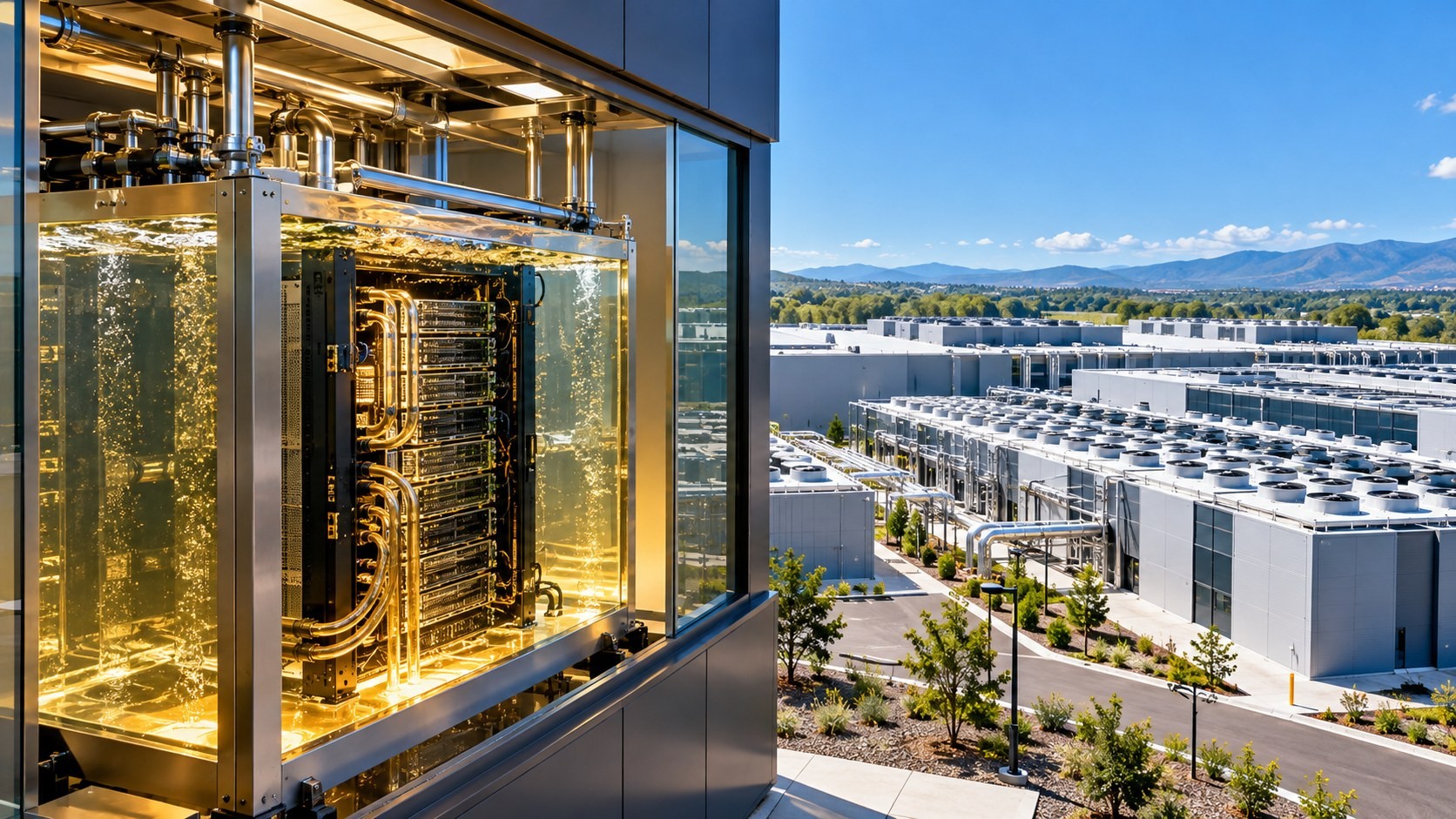
According to Hanbell, its RE-BMI-DC is a screw compressor dedicated to data centers, suitable for air-cooled or water-cooled systems, designed for high evaporating temperatures of 30°C or higher and for single-phase and two-phase immersion cooling, and able to restart quickly after a power outage.
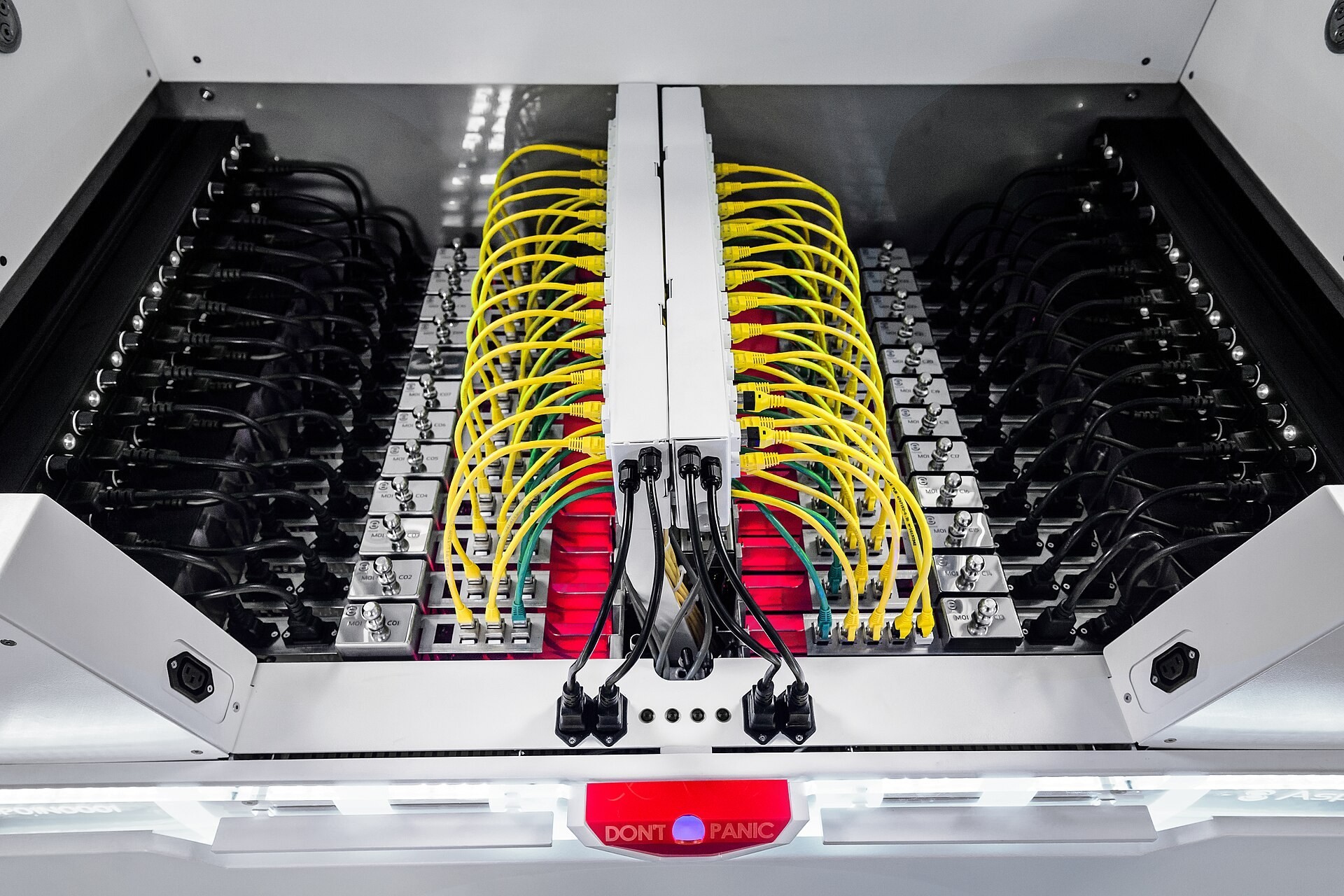
Power usage effectiveness (PUE) is a data center's total electricity use divided by the electricity used by its IT equipment; the closer to 1, the better. Energy Administration statistics put the average PUE of large-user computer and IT facilities in Taiwan at 1.63 in 2024. In 2022 ITRI presented a single-phase immersion-cooled edge data center developed with Taiwanese server makers and a Japanese telecom operator, described by Ding Bang-an, director of its Information and Communications Research Laboratories: servers sit in a non-conductive coolant that is circulated, cooled and returned, combined with outside-air free cooling and a hot/cold aisle layout. ITRI says the system achieved an average PUE of 1.17, against about 1.6 for a conventional air-cooled room, with 43% lower power use per rack and 60% less floor space; the single-phase coolant does not need a fully sealed tank, so less coolant is lost during maintenance, and containerized modules can be deployed within three months. ITRI planned commercial-site service validation that year; no later operating data could be found in public sources. From November 2025, Taiwan has also brought hyperscale and colocation data centers with energy use of 5 MW or more into energy use plan reviews for new builds and expansions. For power planning at a large data center, see Formosa Plastics Mailiao AI data center and low-carbon power: confirmed and planned items.
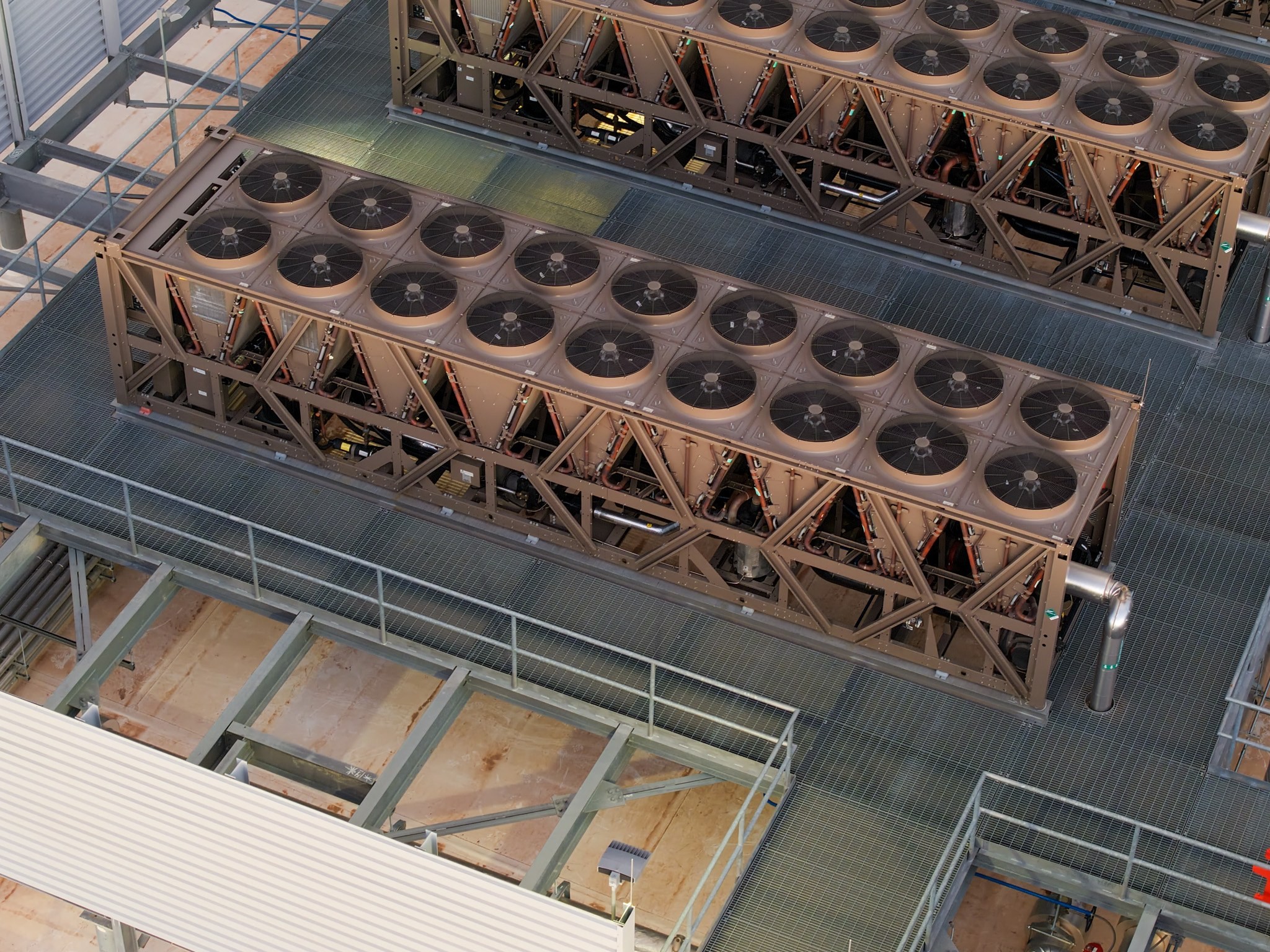
Heat pumps, cold chain and ORC waste-heat power
Hanbell says its heat pump systems using RC2-HT1/HT2 and LT-S-H series screw compressors can supply hot water or small amounts of steam, with outlet water temperatures already reaching 150°C. Replacing fuel-fired boilers with electrically driven heat pumps is part of industrial and building electrification; for the related cost and grid issues, see IEA electrification report: the hurdles are upfront cost, financing and the grid.
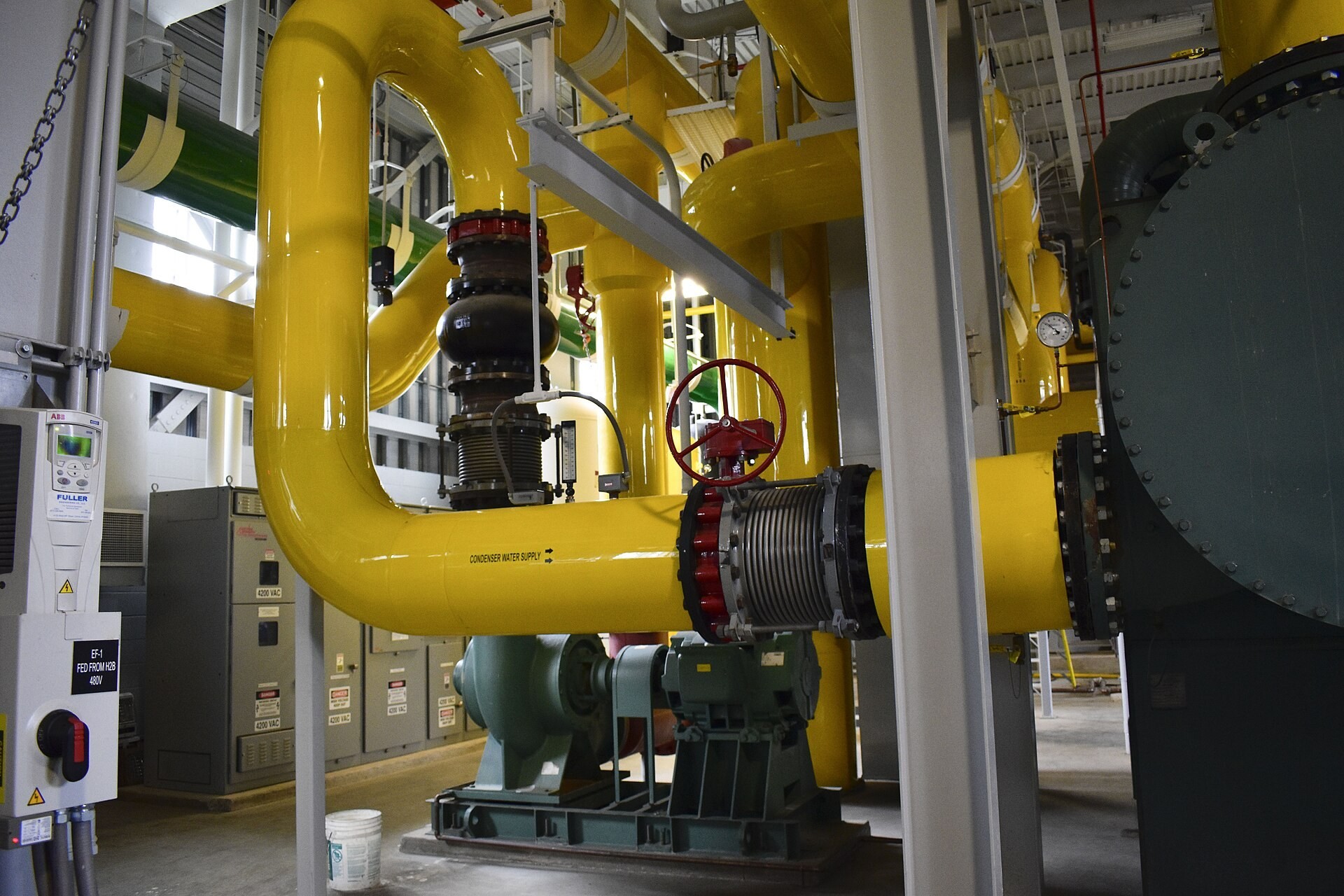
For refrigeration and cold storage, Hanbell offers the LC series of wide-temperature-range single-stage compressors and the LT-S-L series of two-stage screw compressors for ultra-low-temperature quick-freeze tunnels, quick-freeze storage and cold-chain logistics. Hanbell says its ORC waste-heat power units can recover low-grade waste heat from process hot water, discharged water and flue gas to generate electricity for on-site use.
Possible directions for Taiwan
- Refrigerant transition and efficiency gains can be planned together: The statutory annual cap on national HFC consumption falls to 90% of the baseline from 2029. When replacing old chillers, owners can compare refrigerant GWP, overall unit efficiency and actual load at the same time; low-GWP refrigerants lower the CO₂-equivalent emissions from the same amount of leakage, while electricity savings need to be assessed based on the unit and system conditions.
- Expand real-world cases of domestic units: Among large energy users regulated by the Energy Administration, hospitals and office buildings use close to 60% of their electricity for air conditioning. Super Air reports that the first phase of the Sanxia hospital project, which introduced domestic units and a control system, cut electricity use by more than 30%, offering a reference for replacements in public buildings and medical facilities.
- Data center cooling and industrial heating can be listed as areas for assessment: The high-evaporating-temperature cooling and 150°C heat pump applications described by the companies can be included in data center energy planning and assessments of decarbonizing factory heat.
Leave a comment
Comments are reviewed before publication. Email is private and used only when contact is necessary. Privacy notice