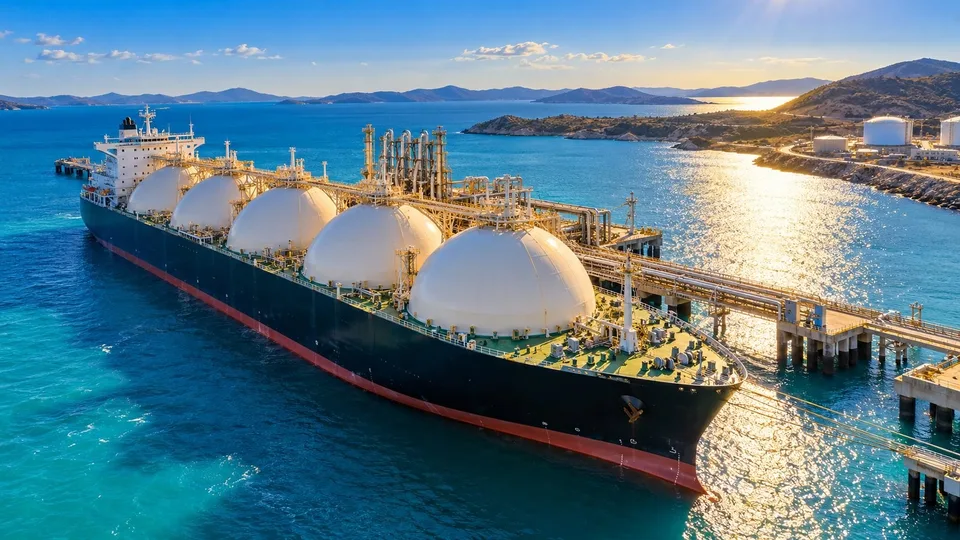
Indonesia's upstream oil and gas regulator, SKK Migas, says that from 24 October 2026 it is diverting part of the pipeline gas exported to Singapore to domestic power generation. Singapore's Energy Market Authority (EMA) said the same day that the reduction amounts to less than 2% of Singapore's daily gas demand and that contingency plans are in place. About 95% of Singapore's electricity comes from natural gas, and in 2025 gas also produced nearly half of Taiwan's electricity. The situation in both places is set out below.
How much gas is being diverted

According to CNA, SKK Migas said the diversion is about 31 million standard cubic feet per day (31 MMSCFD): 15 million from the Natuna fields and 16 million from Sumatra.
- Natuna gas goes through the West Natuna Transportation System and the Pulau Pemping–Batam pipeline to power plants of the state utility PLN on Batam
- Sumatra gas goes through the TGI pipeline to power generation on Batam, Bintan and Sumatra
- SKK Migas said the aim is to "safeguard the reliability of domestic gas supplies for electricity generation", citing Article 8(1) of Indonesia's Oil and Gas Law
The EMA described the impact in a different unit. Gas importers reported a reduction of about 17 BBTUD (billion British thermal units per day) over 18 days, while Singapore's daily gas demand exceeds 1,000 BBTUD. The Straits Times reported Indonesia's diversion as 31 BBTUD. Because the sources use different units and scopes, the figures should be read separately.
On 22 October, Energy and Mineral Resources Minister Bahlil Lahadalia said Indonesia could stop gas exports to countries that do not respect it. SKK Migas did not link the diversion to those remarks.
Singapore's gas mix and response
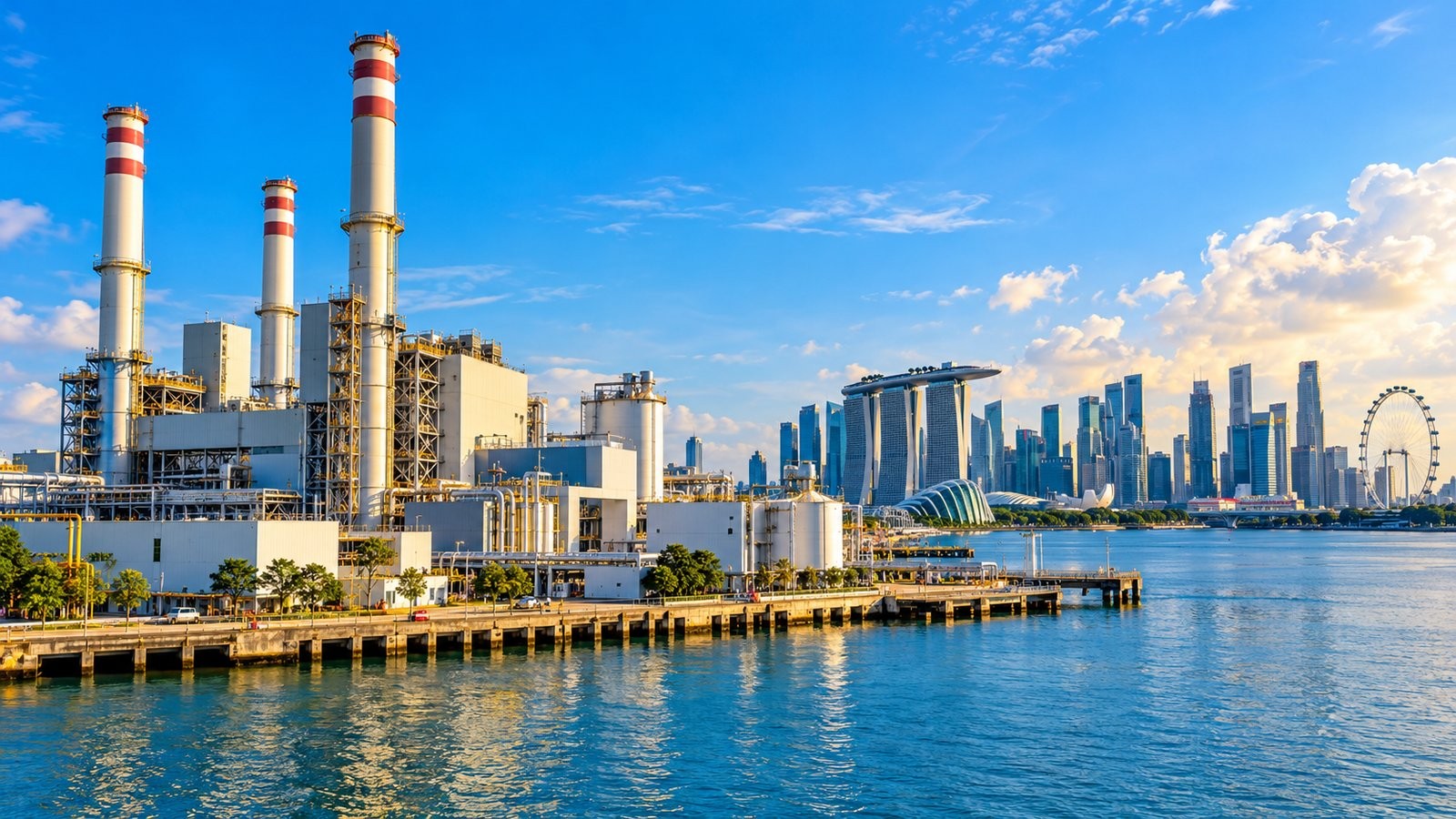
In 2025, piped gas made up 43% of Singapore's gas imports and LNG 57%. Piped gas comes from Indonesia and Malaysia; LNG arrives by ship.
The EMA listed these measures:
- Past reductions of 20 to 100 BBTUD per day, caused by upstream maintenance, were all made up from other sources without affecting the power supply
- Generation companies are required to keep fuel reserves, including diesel
- Singapore GasCo, the central gas procurer, is ready to import more LNG if needed
Gas Supply, a gas importer owned by Temasek, said deliveries to customers were affected by "temporary reductions" upstream. Indonesia agreed in 2022 to extend pipeline gas supply to Singapore until 2028, at lower volumes than before.
Analysts quoted in the reports expect little price impact this time, but noted that a larger LNG share brings higher costs and more exposure to swings in international prices.
Taiwan: all imported gas arrives as LNG
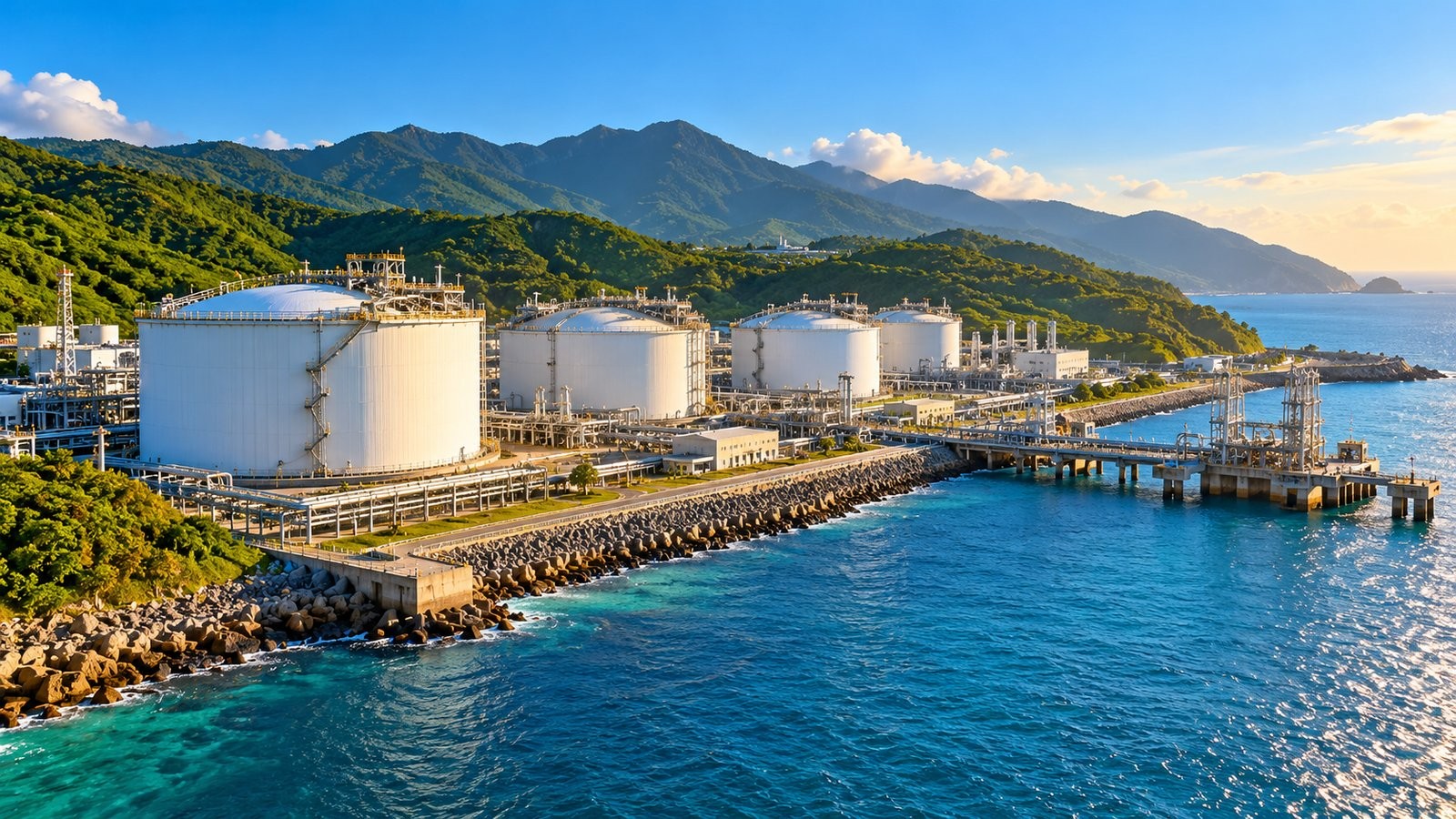
Taiwan has no cross-border gas pipelines, so all of its imported natural gas is LNG. According to the Energy Administration's Energy Statistics Handbook 2025:
- Natural gas generated 47.69% of Taiwan's electricity in 2025, against 35.29% for coal, 13.32% for renewables and 1.12% for nuclear
- About 79.54% of natural gas consumption went to power generation
- LNG imports in 2025 were about 30.84 billion cubic metres
Within Taiwan Power Company's own system, gas accounts for 53.3% of generation.
Safety stock rules
The Ministry of Economic Affairs (MOEA) rule on storage tank capacity for natural gas producers and importers requires:
- a safety stock of at least 11 days in 2025–2026, rising to at least 14 days from 2027
- tank capacity of at least 20 days in 2025–2026, rising to at least 24 days from 2027
In a statement on 14 April 2026, the MOEA said Japan has no natural gas safety stock requirement and South Korea's is 9 days. It also said Taiwan had no gas shortages after the Middle East conflict that began on 28 February.
Import sources
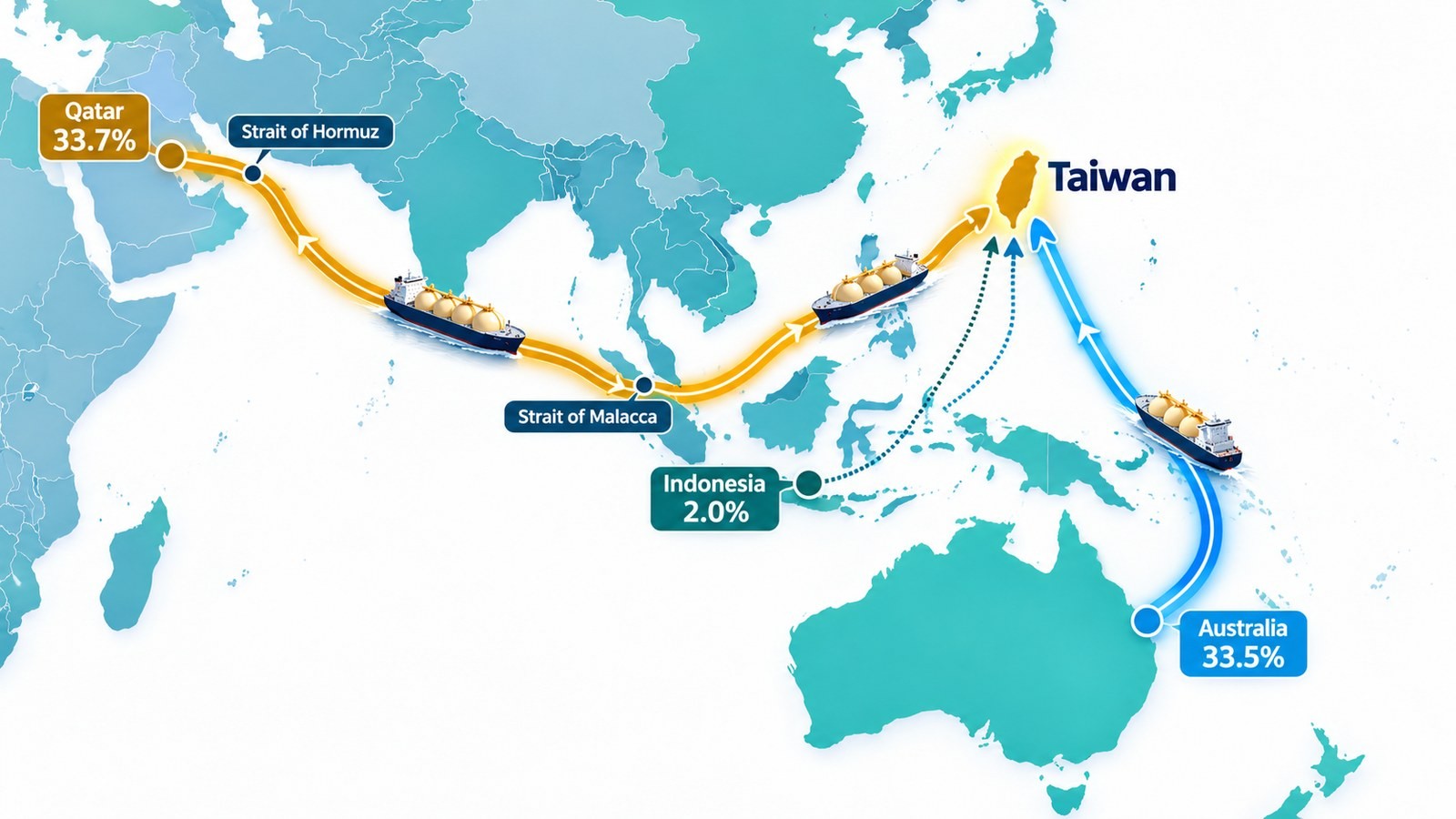
Energy Administration data show that in 2025 Taiwan's LNG came mainly from Qatar (33.68%) and Australia (33.52%), followed by the United States (9.87%), Papua New Guinea (7.88%) and Brunei (2.84%). Indonesia supplied 1.97%. In 2005 Indonesia supplied 51.30% and was the largest source. The MOEA said in September 2025 that Taiwan imported LNG from 14 countries in 2024.
Side by side
| Singapore | Taiwan | |
|---|---|---|
| Gas share of power | About 95% | 47.69% (2025) |
| Supply route | Pipeline 43%, LNG 57% (2025 imports) | All LNG |
| Main risk | Decisions by pipeline supplier countries | Shipping and the international LNG market |
| Buffers | Replacement from other sources, generator fuel reserves, central procurement | Statutory safety stock of 11 days (14 days from 2027), diverse import sources |
In Singapore's case, a cut from one pipeline source can be covered with LNG. Taiwan has no pipelines, so its risk sits with shipping and the international LNG market, and its main buffers are the statutory safety stock and a spread of import sources.
Sources
- CNA, "Indonesia reduces gas exports to Singapore in order to 'safeguard reliability' of domestic supplies", 2026-10-24: https://www.channelnewsasia.com/singapore/indonesia-gas-singapore-supply-diversion-6488391
- CNA, "Reduction in Indonesia gas supply amounts to less than 2% of Singapore's total daily demand: EMA", 2026-10-24: https://www.channelnewsasia.com/singapore/indonesia-gas-exports-ema-6488841
- The Straits Times, "Gas supply cut from Indonesia accounts for less than 2% of S'pore's daily gas demand: EMA", 2026-10-24: https://www.straitstimes.com/singapore/environment/gas-supply-cut-from-indonesia-accounts-for-less-than-2-of-spore-s-daily-gas-demand-ema
- The Straits Times, "S'pore gas importer says it is hit by 'temporary reductions' in supply from Indonesia", 2026-10-24: https://www.straitstimes.com/singapore/environment/spore-gas-importer-says-it-is-hit-by-temporary-reductions-in-supply-from-indonesia
- Energy Administration, MOEA, Energy Statistics Handbook 2025: https://ea01.moeaea.gov.tw/a0303/02/attachments/handbook/2025/2025EnergyStaHandBook.pdf
- MOEA, rule on storage tank capacity for natural gas producers and importers: https://law.moea.gov.tw/LawContent.aspx?id=GL000621
- MOEA, statement of 2026-04-14: https://www.moea.gov.tw/MNS/populace/news/News.aspx?kind=9&menu_id=22333&news_id=122392
- MOEA, statement of 2025-09-09: https://www.moea.gov.tw/MNS/populace/news/News.aspx?kind=9&menu_id=22333&news_id=120408
- Taiwan Power Company, generation mix: https://www.taipower.com.tw/
Leave a comment
Comments are reviewed before publication. Email is private and used only when contact is necessary. Privacy notice