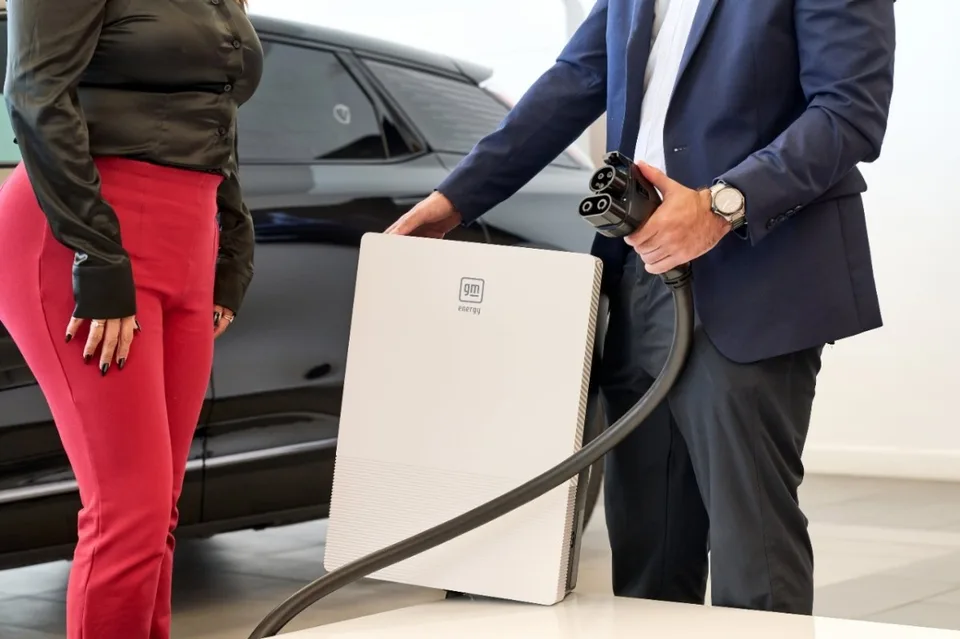
California's Demand Side Grid Support (DSGS) program is the largest virtual power plant (VPP) program in the United States. In its October 22, 2026 policy episode, Factor This reported that DSGS can operate through the end of this year, but the legislative session ended without funding for 2027 and beyond. This article covers the program, a new bidirectional EV charging offer in California, and the development of demand response in Taiwan.
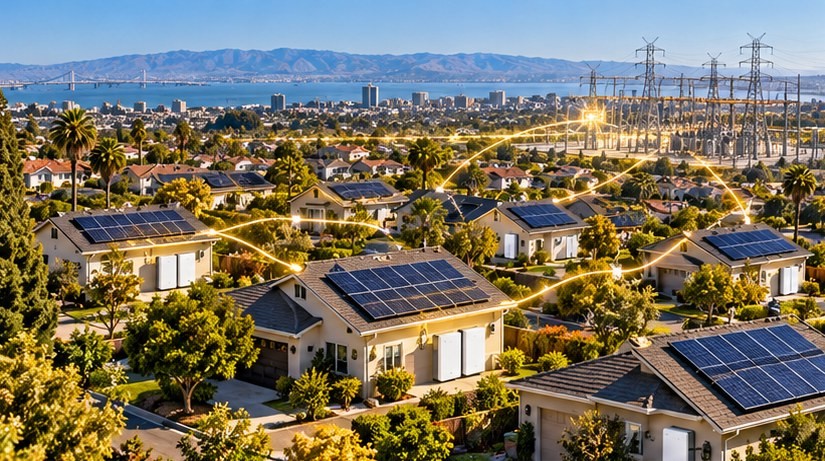
What DSGS is and what it has done
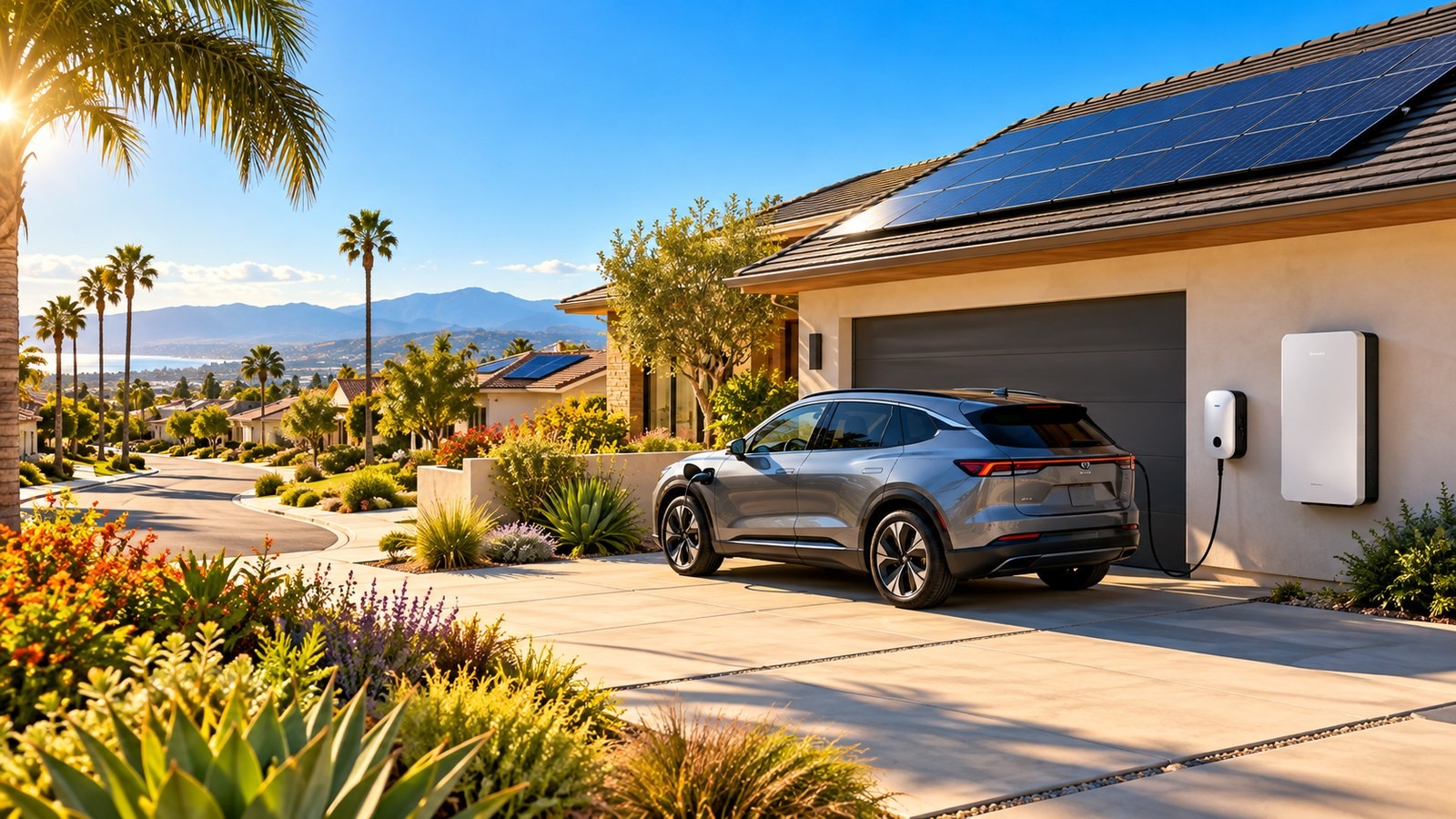
- Launched in 2022, it coordinates more than 1 GW of dispatchable capacity from more than 200,000 customer sites, enrolled in every legislative district in the state
- Resources include home batteries, solar systems and smart thermostats that discharge or cut use during grid emergencies
- Since the program began, the California Independent System Operator (CAISO) has not issued a Flex Alert, its call for voluntary conservation, in more than four years
On September 9, 2026, California's instantaneous demand hit a four-year high without the grid resorting to emergency measures. Governor Gavin Newsom credited more than 39,000 MW of new clean energy since 2019, including more than 23,000 MW of battery storage.
During the October 5–6 heat wave, Sunrun and Tesla home battery fleets, working with DSGS and the California Public Utilities Commission's Emergency Load Reduction Program, dispatched 669 MW and 745 MW, record distributed energy dispatches. DSGS has an affordability trigger of $200 per MWh, so dispatch during high-price hours helps bring market prices down.
The funding gap

- In June 2026 the legislature allocated $27 million to keep DSGS running through year end
- With frequent dispatch during the heat wave, guests said it is unclear how much money remains
- A new Brattle Group report finds the total value a VPP creates is more than seven times the cost of enabling it, and that rapidly scaling residential VPPs could cut expected household bill increases over the next five years by more than half
Lauren Nevitt, senior director of California policy and energy markets at Sunrun, said DSGS has proven that distributed resources are reliable and can scale, and the next step is a durable long-term market rather than year-to-year program funding.
GM and PG&E's bidirectional charging offer
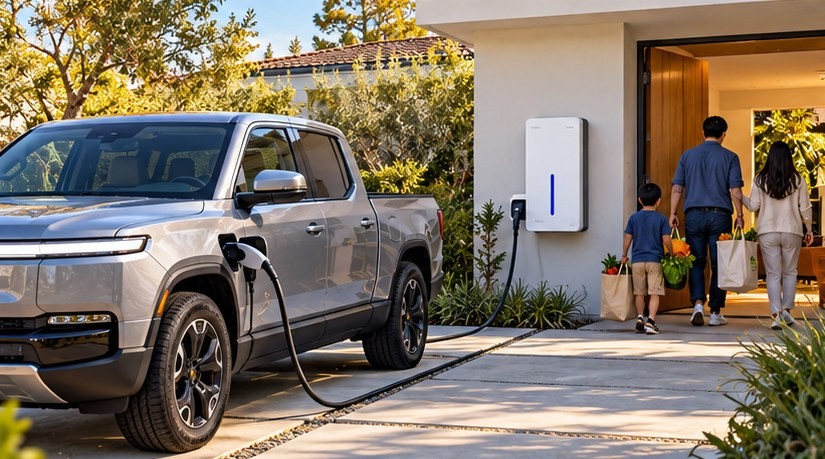
On September 23, 2026, GM Energy announced a partnership with Pacific Gas and Electric (PG&E):
- Eligible PG&E residential customers who buy or lease a new Chevrolet, GMC or Cadillac EV at a participating dealer through February 2027 can get a GM Energy PowerShift or PowerUp 2 home charger at no hardware cost (worth up to $1,999); installation is paid by the customer
- Through PG&E's EV Charge Manager, customers who charge at lower-demand times may receive a $15 monthly bill credit and save up to an additional $50 a month
- PowerShift supports bidirectional charging to back up a home in an outage (V2H); GM says it could potentially take part in future vehicle-to-grid (V2G) programs once they become available
Microgrid Knowledge reported on October 19 that the offer launched on September 14. As of September 24, 58 customers were enrolled in the V2H program and 6 in the Smart Charge program, which is capped at 2,000, with WeaveGrid handling charge scheduling. GM and PG&E share a goal of up to 52,000 EVs interacting with the grid by 2030. EV batteries on the grid are a potential VPP resource.
Demand response in Taiwan
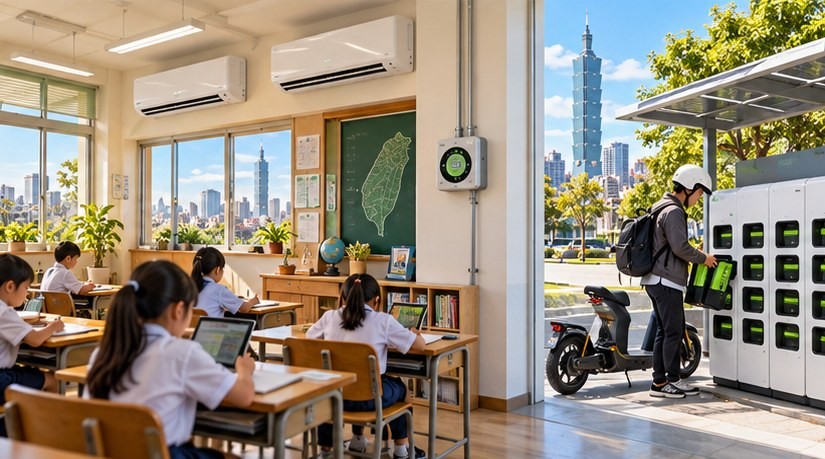
Taiwan started demand response early and is now extending it to residential and commercial customers. According to Taipower's 2025 sustainability report:
- Taipower has run demand response load management since 1987, including pre-agreed scheduled curtailment, immediate curtailment when supply is tight, and demand bidding where customers set the price
- Demand response participation reached 2.99 GW in 2025, or 3.66 GW including the peak month's ancillary service participation
- In 2025 demand response cut use by 910 million kWh, with bill deductions of about NT$1.958 billion, or about NT$2.14 per kWh; peak load was reduced by 1.17 GW, about 3.3% of system load
- Since 2022 Taipower has worked with demand response aggregators and smart appliance companies on a campus air-conditioning program; it piloted automated residential and commercial demand response in 2024, and plans a "residential and commercial energy-saving" program combining smart meters and smart appliances in 2026
On market design, the Ministry of Economic Affairs issued the Electricity Trading Platform Regulations in 2021, creating a day-ahead ancillary services market and a reserve capacity market in which demand response providers can trade. In 2021 Taipower and Gogoro also built a V2G battery swap station for electric scooters to verify two-way power flow.
Possible directions for Taiwan
- Build on the existing trading platform and demand response aggregators to bring home batteries, smart appliances and EVs in as dispatchable resources, scaling up the new residential and commercial program
- DSGS shows that program funding must be won again every year; Taiwan can continue its market-based approach so distributed resources earn stable, long-term revenue through the trading platform
- Learn from GM and PG&E's pairing of charger incentives with off-peak charging credits, and combine it with the Gogoro V2G demonstration to advance smart EV charging
- Publish dispatch results and customer payments so more users understand how to take part
For background on demand growth and capacity, see "PJM Capacity Auction Falls 6.8 GW Short as Data Centers Grow".
Leave a comment
Comments are reviewed before publication. Email is private and used only when contact is necessary. Privacy notice