On October 20, 2026, Vice President Hsiao Bi-khim attended the opening ceremony of the 27th Taiwan Printed Circuit Board International Exhibition (TPCA Show 2026). She said that Taiwan's semiconductor and printed circuit board (PCB) industries are both internationally competitive, and cooperation between the two is key to seizing the opportunities of AI. She also noted that growing computing power brings energy challenges, and that the government is building new power generation facilities, strengthening grid resilience, and working with the private sector on energy saving, energy storage and high-efficiency technologies to support industrial development. Below is a summary of the current scale and progress of these measures.
Semiconductor and PCB cooperation underpins AI development
Hsiao said Taiwan has the world's most complete PCB supply chain. From semiconductors and advanced packaging to data centers and high-performance computing, close cooperation between the two industries helps Taiwan capture AI business opportunities and is an important foundation for the "Five Trusted Industries." She said this year's exhibition theme, "Energy-Efficient AI," fits the government's "Smart Nation 2.0" and "Ten New AI Infrastructure Projects," and that the government is also amending the Act for Development of Micro, Small and Medium Enterprises Transformation and Upgrading to help these enterprises adopt AI.
- This year's exhibition brings together more than 680 international brands and 1,840 booths, and adds a themed zone for advanced packaging
- According to the Taiwan Printed Circuit Association (TPCA), the total output of Taiwan's PCB industry at home and abroad reached NT$524.7 billion in the first half of 2026, up 23.9% year on year
- TPCA expects full-year output in 2026 to reach NT$1.1365 trillion, up 24.2%, passing NT$1 trillion for the first time
AI data center demand and new gas-fired units
The Ministry of Economic Affairs' 2025 (ROC year 114) National Power Supply and Demand Report, published in June 2026, takes into account economic growth, AI data centers (AIDC), semiconductor fab expansion and the results of deep energy saving. Allowing for higher demand, it estimates average annual growth in national electricity demand of about 2.5% from 2026 to 2035, higher than the 1.7% estimated the year before. Taipower said that AIDC power applications already on hand through 2035 amount to 1.151 million kW (about 1.15 GW), and the government has also set aside a supply margin of 2 GW to 3 GW to meet new demand.
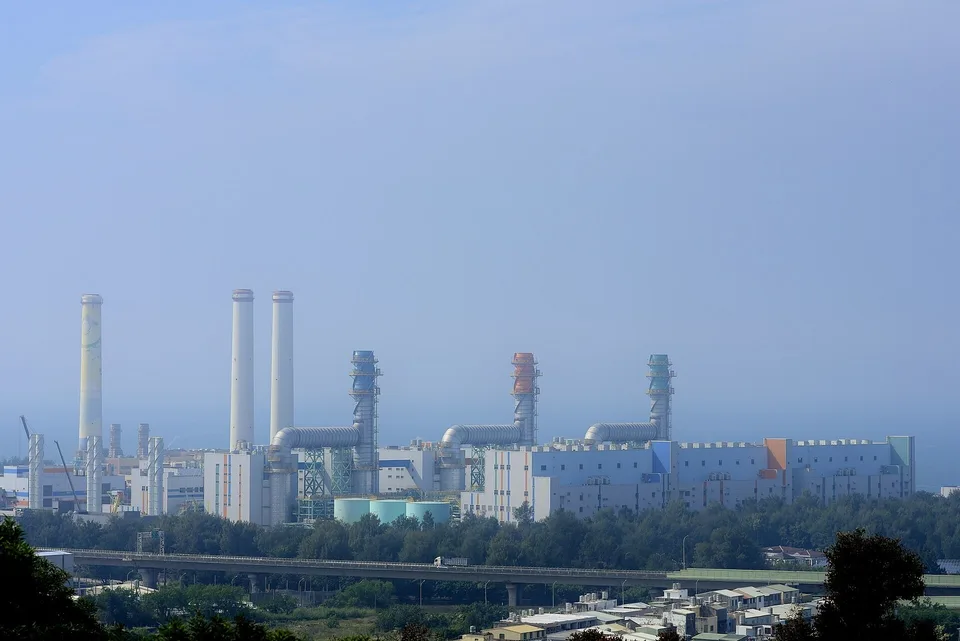
On the supply side, the ministry's plan for 2026 to 2035 includes projects at Taipower's Taichung, Hsinta, Tunghsiao, Talin and Hsieh-ho plants as well as the privately owned Kuo Kuang Power and Mai-Liao Power, adding a total of about 26 GW of gas-fired capacity. Some aging units that are still usable will be moved to emergency reserve, while units already committed for demolition will still be demolished as planned, to improve dispatch flexibility. Over the past 10 years (2016 to 2025), installed renewable capacity grew by about 19 GW and thermal capacity by about 14 GW. For how a private company is planning low-carbon power for AI data centers, see "Formosa Plastics Mailiao AI data center and low-carbon power: confirmed and planned projects."
Grid Resilience Enhancement Plan to invest NT$564.5 billion
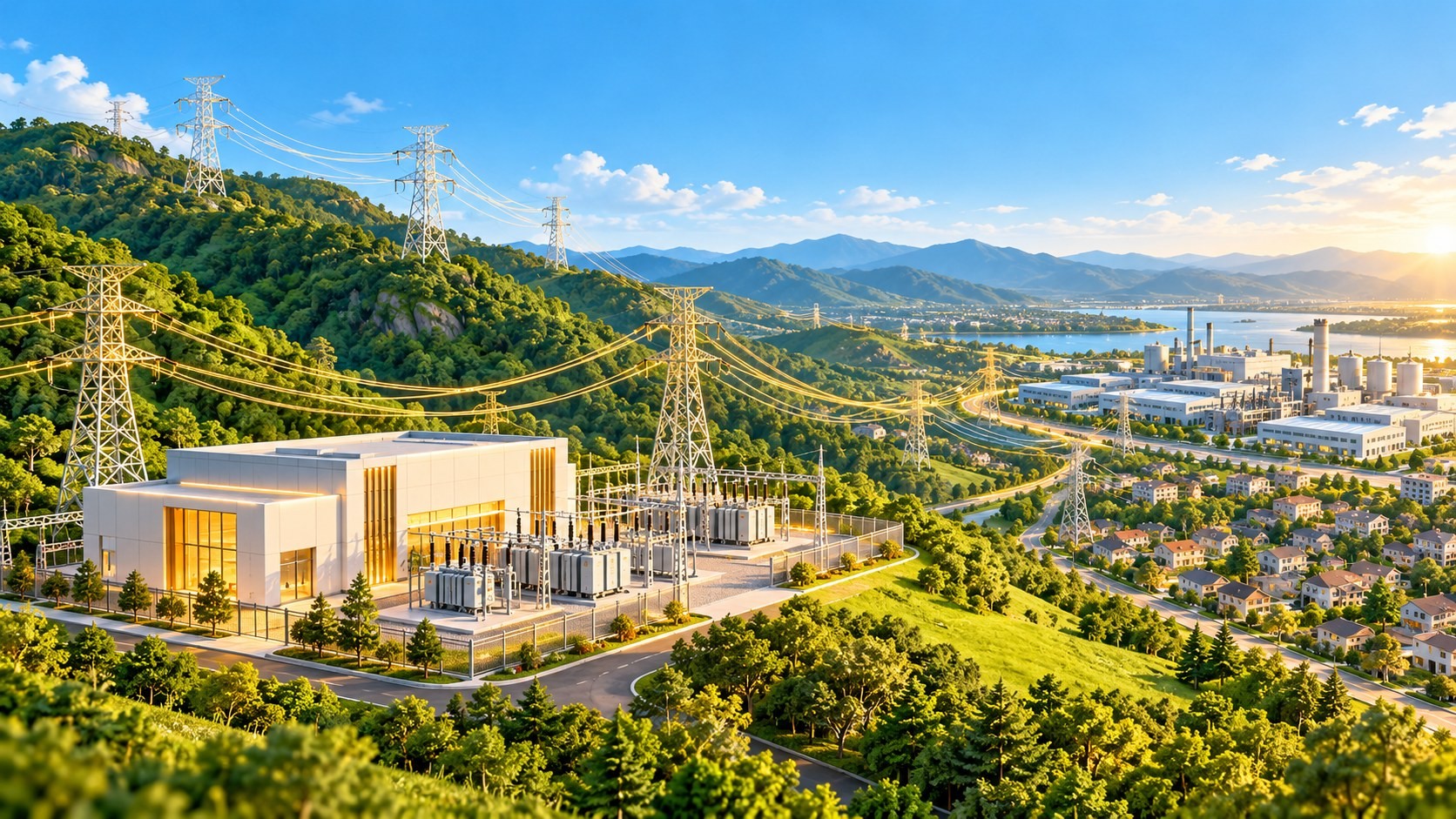
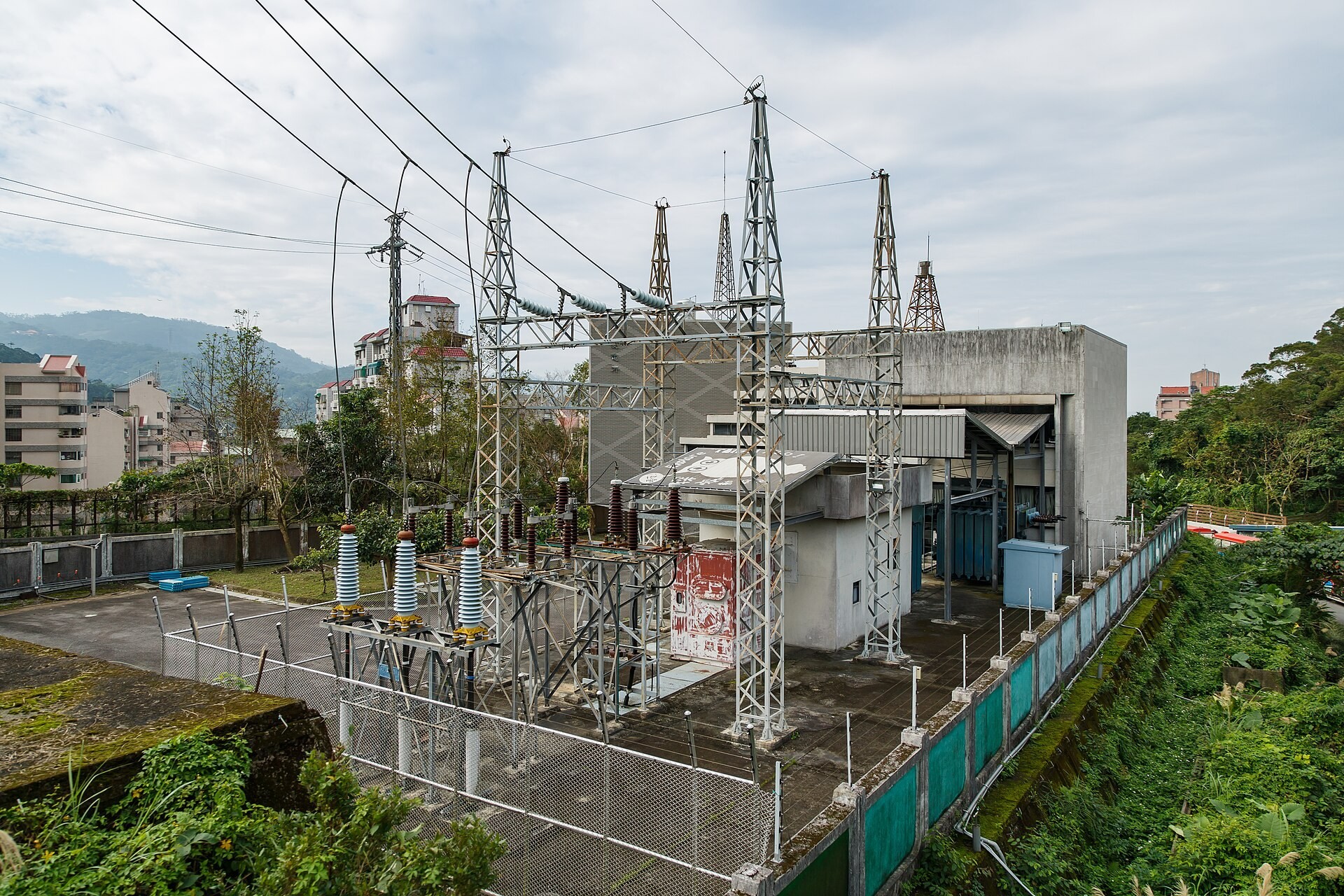
Taipower said its grid has been linked by three 345kV north-south trunk lines, with the Lungtan, Chungliao and Lungchi ultra-high-voltage substations as hubs, forming a centralized structure. Taipower's Grid Resilience Enhancement Plan, proposed in 2022, originally called for about NT$564.5 billion over 10 years, of which about NT$376.1 billion covered existing planned items; the NT$188.4 billion originally proposed for new resilience works was revised to about NT$209.8 billion after detailed estimates; phase 1 of the project plan was approved by the Executive Yuan on September 23, 2023. It decentralizes the grid through 3 main axes and 10 concrete measures:
- Decentralized grid works: NT$437.9 billion, 5 measures
- Grid strengthening works: NT$125 billion, 3 measures
- System defense capability: NT$1.69 billion, 2 measures
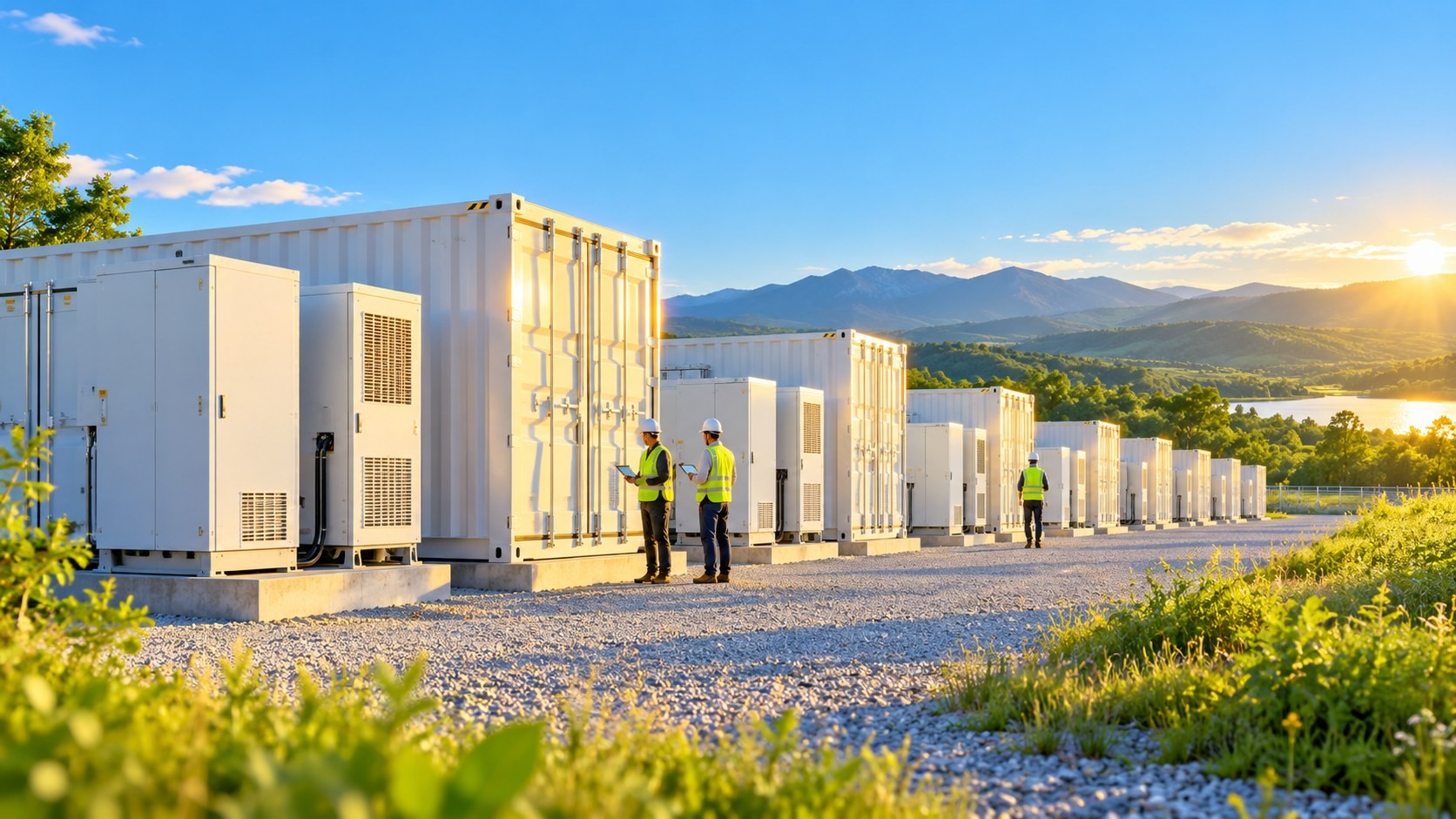
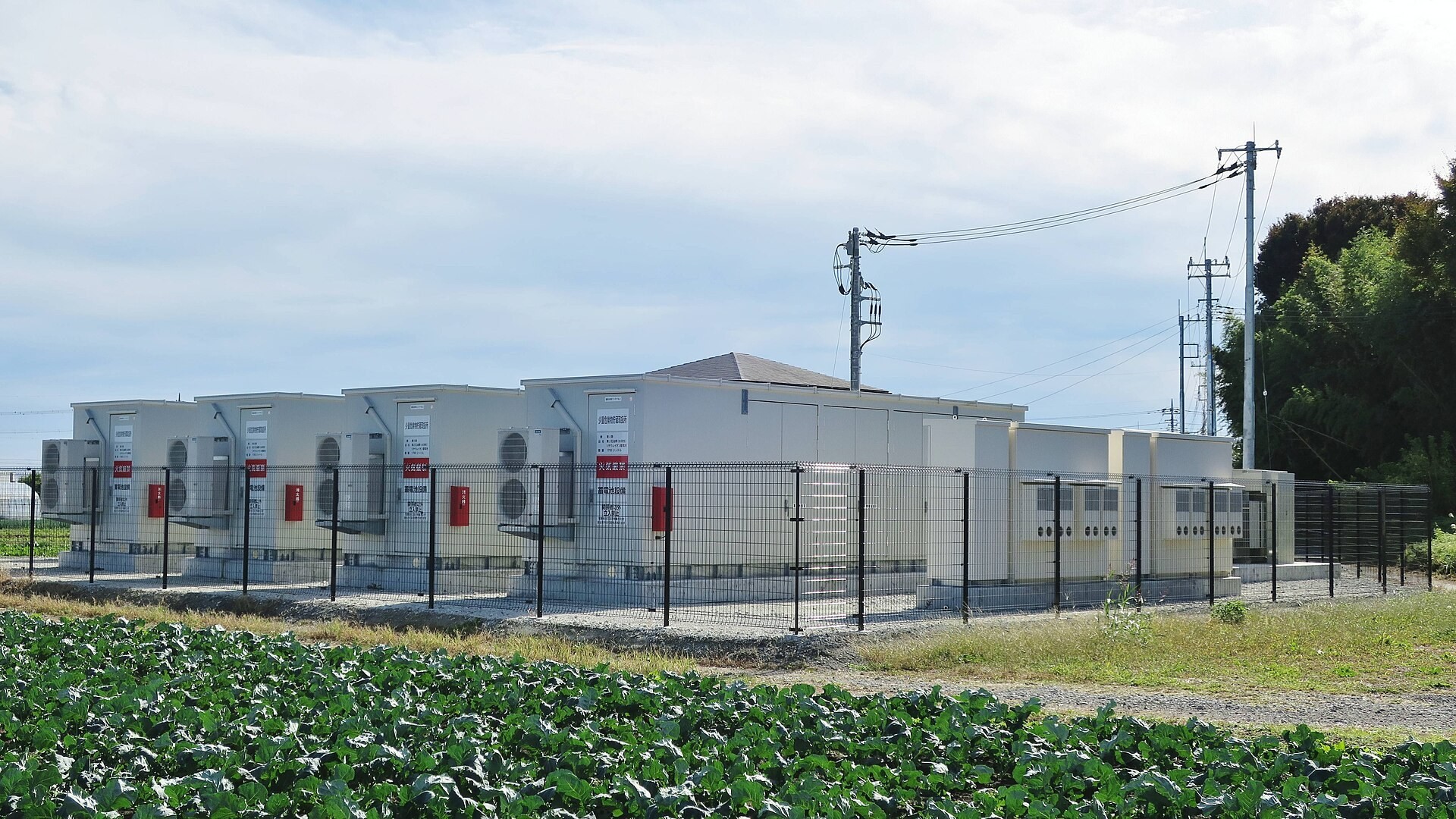
Storage on the grid exceeds 2.4 GW, value added per kWh rises
According to Taipower's statistics table of transmission- and distribution-level energy storage cases, as of late September 2026, 228 storage cases with a total capacity of about 2,416.2 MW have been completed and take part in the power trading platform, including 1,597 MW of E-dReg and 797.8 MW of dReg. EPRI data compiled by this site show that the failure rate of lithium-ion battery storage per GWh of installed capacity fell by 98% from 2018 to 2025; see "EPRI: lithium-ion battery storage failure rate down 98% in seven years."
On the demand side, Ministry of Economic Affairs figures show that in 2025 Taiwan's economy grew 8.72% while total electricity consumption fell 0.3%, and the value added per kWh of electricity rose.
Delta Electronics builds an AI data center microgrid demonstration site in the US
In the private sector, Delta Electronics (2308) said it is building a microgrid demonstration site at its existing automotive business facility in Detroit. Construction has started, and the company plans to invite customers to see it in operation in spring 2027. According to Delta, the site will be built in two phases:
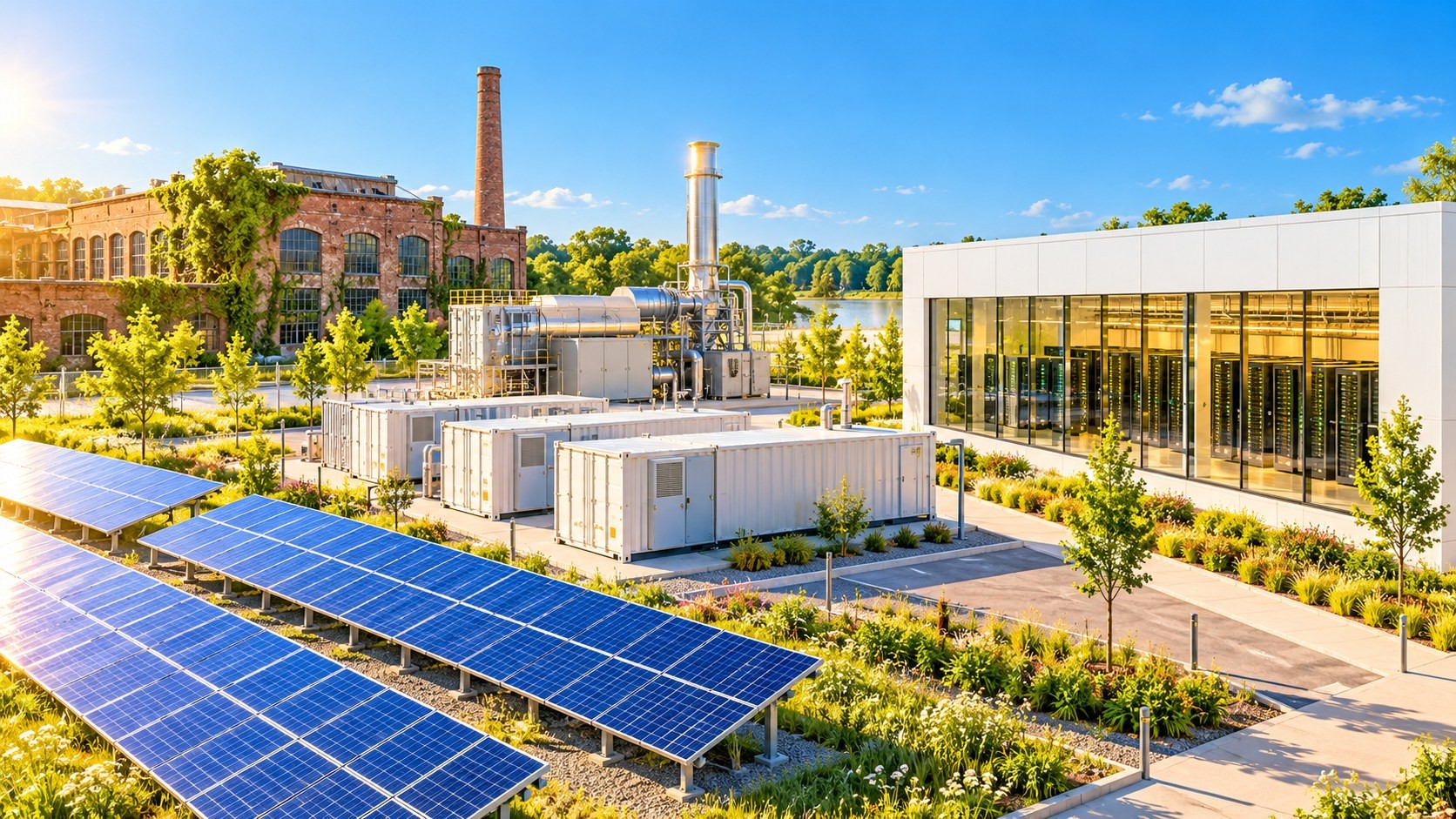
- Phase one centers on an AC microgrid that integrates solar power, natural gas turbines and lithium iron phosphate battery storage, connected through string power conversion systems (PCS)
- Phase two introduces a DC microgrid, using solid-state transformers to convert medium-voltage AC into 800V DC for AI computing loads, combined with batteries and supercapacitors
- According to the company, battery storage paired with power electronics can respond to load swings in AI racks in under 1 second, reducing the impact on upstream power supply
Nick Bailey, Director of Energy Infrastructure Solutions for the Americas at Delta Electronics, said microgrids can combine different generation sources with storage and reduce uncertainty in power supply. Delta also said it produces string PCS and solid-state transformers in Plano, Texas, for the US market.
Possible directions for Taiwan
Taiwan is responding to growing AI electricity demand on several fronts at once: planning new gas-fired units, expanding renewable energy, decentralizing the grid, connecting storage and deepening energy saving. Building on this direction, a few points are worth attention:
- Align AI data center power applications with the grid decentralization works, so that the decentralized grid works give priority to the siting of data centers and science parks
- Keep expanding storage capable of energy shifting, in line with peak supply needs
- Encourage data centers to adopt microgrids and high-efficiency power architectures, and encourage Taiwanese PCB, power electronics and semiconductor companies to assess application opportunities in domestic data centers and overseas markets
- Continue deep energy saving to improve the efficiency of electricity use
Leave a comment
Comments are reviewed before publication. Email is private and used only when contact is necessary. Privacy notice