
Secretly recording conversations inside one of the world's most data-savvy companies may be harder than it sounds. The US Department of Justice said on 13 October that the FBI arrested OpenAI engineer Abdulrahman Alfozan on 9 October, alleging he planted a hidden recording device in the company's executive meeting room.[1] Alfozan, 35, is a Saudi national who had worked at OpenAI as an engineer since July 2025. He is charged with using or attempting to use a device to intercept oral communications and has made his initial appearance in federal court in the Northern District of California.[1][2] Everything below comes from the allegations in the complaint; the case has not gone to verdict.
1. An extra wad of toilet paper behind the TV
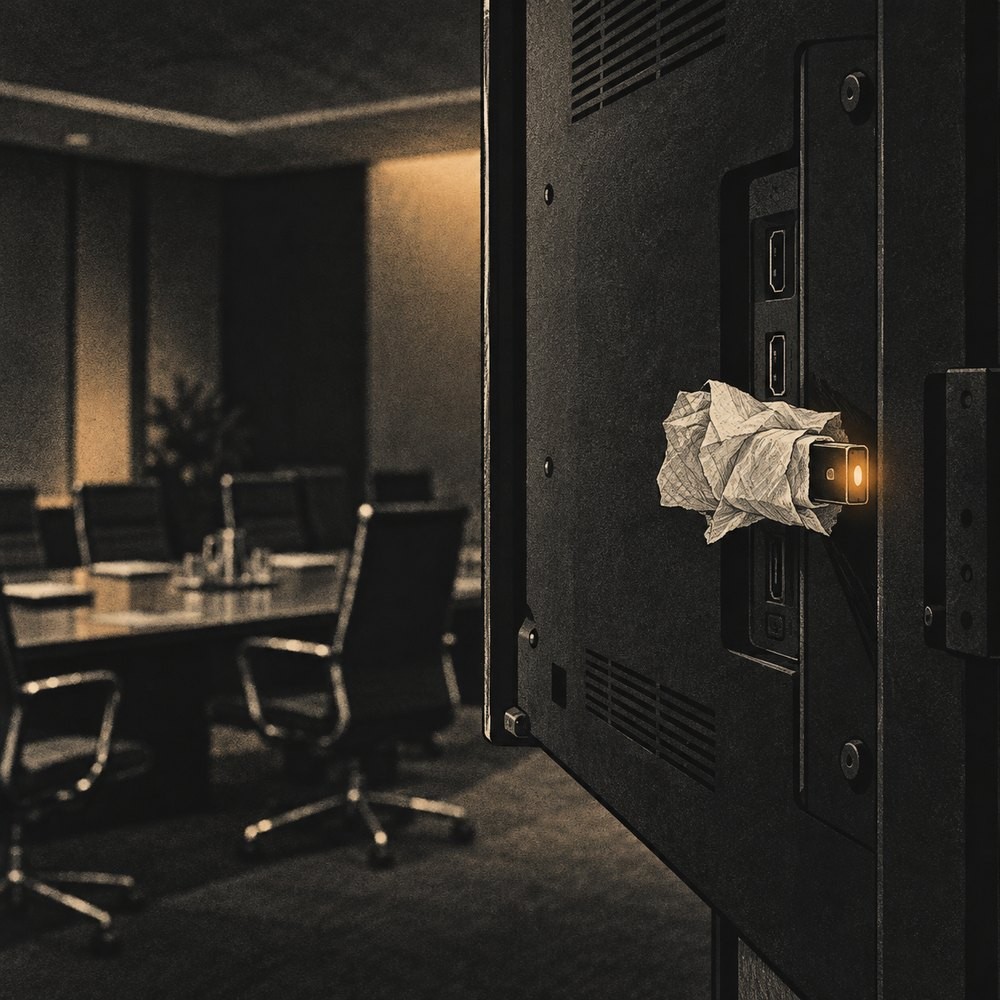
According to the complaint, around 30 September OpenAI staff found a recording device plugged into a USB port on the back of the TV in an executive meeting room in one of its San Francisco office buildings, wrapped in toilet paper.[1] It had been installed around 28 September, so it was on duty for about two days before being discovered. Its recordings were encrypted, and the room was regularly used to discuss unreleased research, product plans, business partnerships and dealings with government.[1]
2. Most of the clues were self-inflicted

The evidence in the complaint reads like a list of what not to do:[1][3]
- Security cameras showed him around the meeting room several times before the device was found, even though he had no authorization to attend those meetings.
- Before 28 September, he used a company productivity tool to look up building addresses, meeting-room capacities and calendars, and searched for where "leadership and exec" meetings were held. In other words, he used the company's own system to find out where the company's executives meet.
- A chatbot account linked to his spouse asked, between 24 and 30 September, how to build a continuous audio recorder, how to set up remote listening over Wi-Fi and how to encrypt a memory card.
- On 5 October, a camera the company had already set up in the room recorded him walking in and checking behind the TV, as if coming back to see whether his gadget was still there. The same day, security found another similar device in a bag he had left behind.
After finding the device, OpenAI reported it to the FBI, gradually pulled his access, placed him on leave and terminated his employment on 9 October.[2][3] The company also said on X that it had used its own AI models to help analyze how the device was built and where it came from.[2][3] An AI company gets bugged and ends up asking its own AI to work the case: a fitting ending for the industry.
3. What happens next
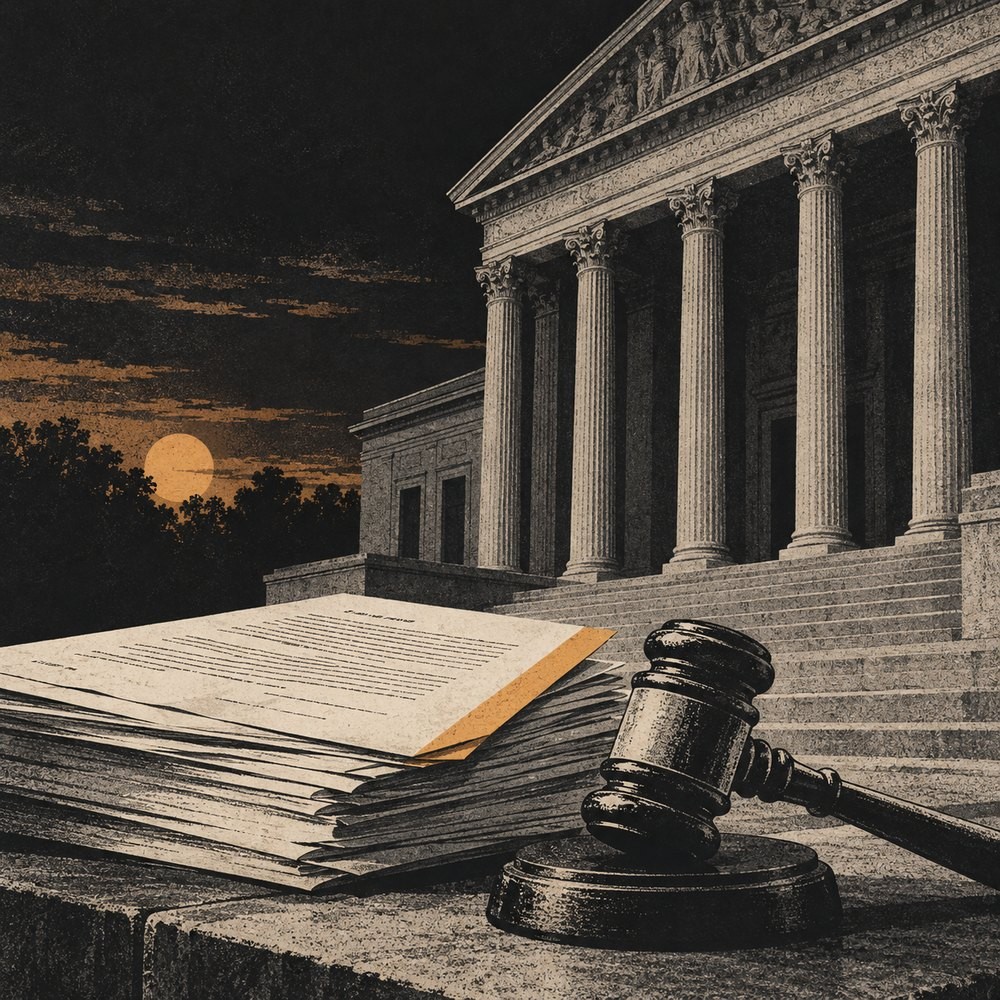
If convicted, he faces up to 5 years in prison and a $250,000 fine.[1] A detention hearing is set for 19 October, and the FBI investigation is ongoing.[2][3] The Justice Department lists the case as part of its counterintelligence work to protect advanced US AI technology.[1]
4. Security priorities for AI labs

When people talk about AI companies' secrets, they usually think of model weights and code. This case targeted what gets said out loud in a meeting room: research progress, partners, and conversations with government.[1] What finally tied the case together were access records, security cameras, internal tool query logs and AI analysis.[1][3] Physical spaces need security planning just as networks do, right down to the USB port on the back of the TV.
5. Directions Taiwan can consider
Taiwan's AI and semiconductor teams could consider a few practices:
- Add executive meeting rooms to regular security sweeps, including the USB ports on TVs, projectors and charging docks.
- Keep access-control and internal-tool query logs, so unusual searches for meeting locations or executive schedules are noticed early.
- Give security, facilities and legal teams a set reporting process, and hand cases to law enforcement early when needed.
References
- U.S. Department of Justice, Saudi National Arrested for Installing Surreptitious Audio Recording Device at OpenAI (2026-10-13). https://www.justice.gov/opa/pr/saudi-national-arrested-installing-surreptitious-audio-recording-device-openai
- NBC News, OpenAI employee arrested over hidden listening device, company says (2026-10-13). https://www.nbcnews.com/tech/tech-news/openai-employee-arrested-hidden-listening-device-company-says-rcna603262
- BBC News, Toilet paper and secret recorders: What we know about the arrest of the Saudi OpenAI engineer (2026-10). https://www.bbc.com/news/articles/cm04054ykqqqo
- CBS News, FBI arrests OpenAI employee for allegedly planting recording device in company offices (2026-10-13). https://www.cbsnews.com/news/openai-employee-arrest-recording-device/
Leave a comment
Comments are reviewed before publication. Email is private and used only when contact is necessary. Privacy notice