
In a Substack post on 20 August 2026, Daniel Willingham, a psychology professor at the University of Virginia (UVA), proposed a rule for students: use AI only for things you already know how to do well. Nathan Yau of the data visualisation site FlowingData recommended the post in his Weekly Flow newsletter on 16 October.
Assignments are practice in thinking
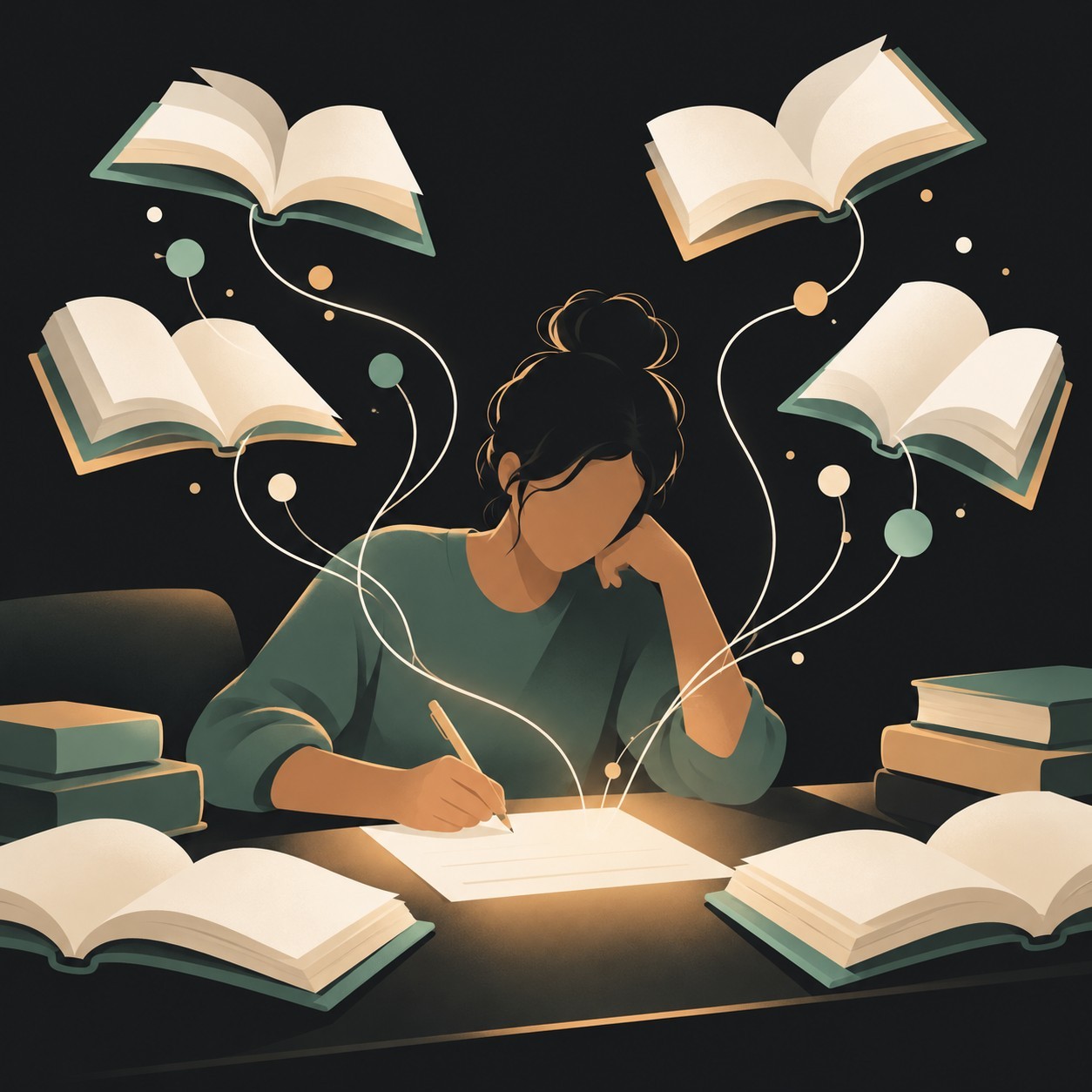
Willingham points out that learning comes from mental work. The value of writing papers and solving maths problems lies in the practice they provide: teachers set them so students exercise cognitive abilities that matter. Writing a substantial paper, for example, means integrating several sources, building an argument, expressing ideas precisely and anticipating what the reader knows.
His test follows from this: if students would learn from doing the work themselves, AI should not do it for them. Brainstorming and editing are part of learning. The same logic applies to calculators: once you have mastered arithmetic, using a calculator on an algebra problem makes sense; while you are still learning algebra, work it out yourself.
Why "well" matters
Willingham answers two likely questions:
- Can AI act as a scaffold for learning? He argues that novices don't know enough to ask good questions and tend to accept the polished result AI offers. Choosing the harder path on purpose also asks a lot of ordinary students. He notes that he means students' own use of chatbots; software built for instruction is a separate matter.
- Once students are competent, do they still need practice? That depends on whether the task is still a learning goal. If it only supports the real work and soaks up time, such as an engineering student hand-calculating long multiplication for a problem set, a tool can take it over.
His full rule is therefore: students should only use AI for things they already know how to do well. He notes that large US districts such as New York, Los Angeles and Chicago let students use AI within set limits, for example to brainstorm, summarise or edit, and leave the decision to teachers; his rule can guide that decision. In the workplace, where the product is the point, using AI to help get work done makes sense.
Recommending the post, Nathan Yau wrote that he keeps telling his young kids that we need to know how to do things and how things work, because things will break or need to get better, and that requires people who can think for themselves.

What an experiment found
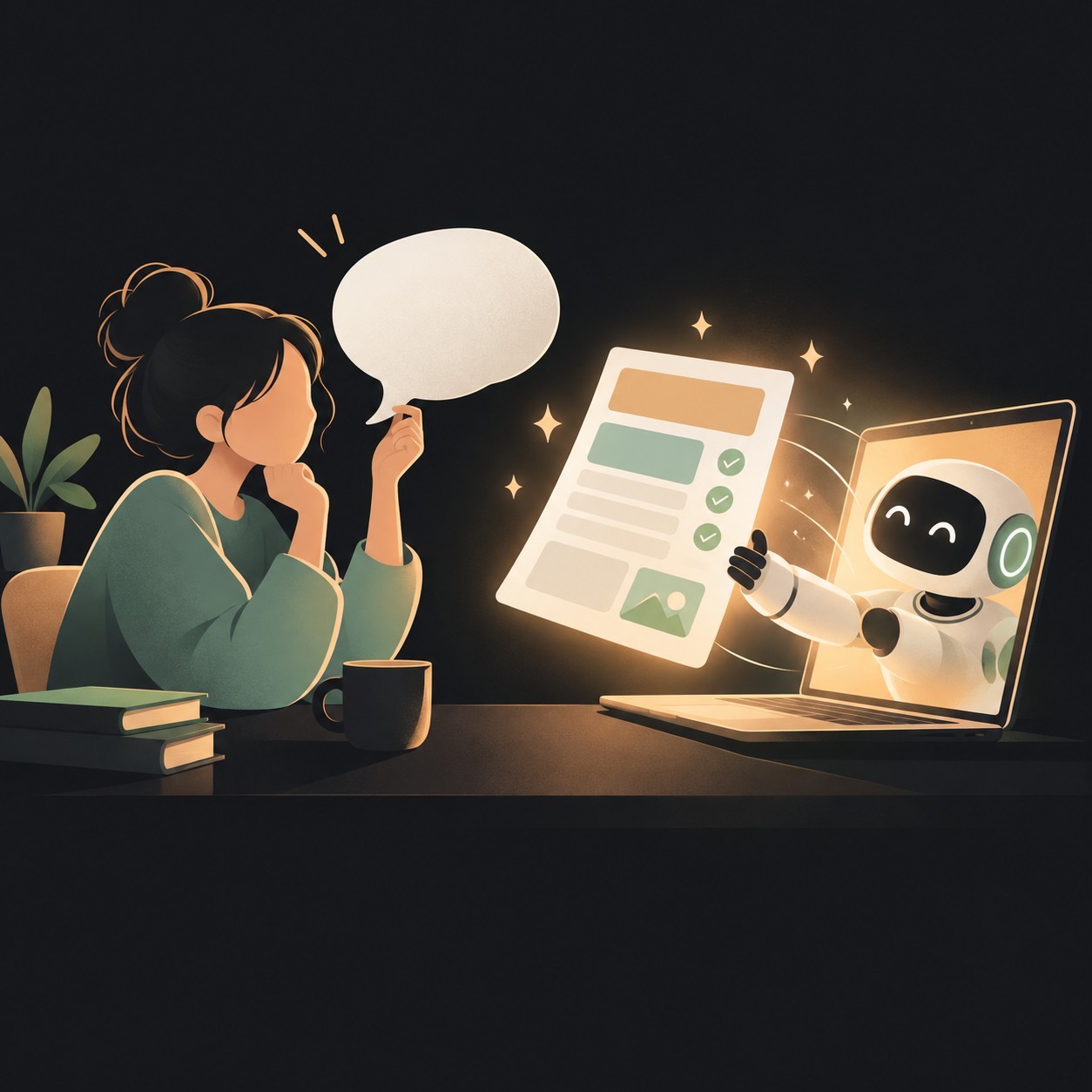
A University of Pennsylvania team ran a randomised controlled trial with a large high school in Turkey in the fall semester of the 2023–2024 school year, published in PNAS in 2025. Nearly a thousand students practised maths with GPT-4. Students using a standard chat interface scored 48% higher during practice, but once access was removed they scored 17% lower than students who never had it. A second group used "GPT Tutor", with prompts designed to safeguard learning; their practice scores rose 127%, and the later drop was largely mitigated. The researchers attribute the difference to tool design: without guardrails, students tend to use AI as a crutch.
What Taiwan can take from this
In February 2026, Taiwan's Ministry of Education updated its Guidelines for Using Generative AI in Primary and Secondary Schools (version 2.1). It asks schools to set clear rules so students know whether an assignment may use generative tools and how to label that use, and recommends that students use tools designed for education, such as the AI learning companion on the Adaptive Learning platform (因材網), which guide students to find answers through questions. Directions Taiwan could consider:
- Teachers state the learning goal of each assignment and mark where AI may be used.
- Open AI use for steps students have already mastered and that fall outside the current learning goal, such as formatting a bibliography.
- Favour education tools that guide with questions rather than hand over answers, and keep checking how students perform once the tool is removed.
- Before using AI, students can ask themselves: "Could I do this without AI?" If yes, AI can save time; if not, practise first.
- Parents helping with homework can ask children to explain the answer in their own words without looking at the AI's reply, to confirm they have learned it.
Sources
- Daniel Willingham, "Students should only use AI for things they already know how to do well", 2026-08-20: https://dtwuva.substack.com/p/students-should-only-use-ai-for-things
- Nathan Yau, FlowingData Weekly Flow newsletter, 2026-10-16 (email newsletter, no public URL)
- Bastani et al., "Generative AI without guardrails can harm learning: Evidence from high school mathematics", PNAS 2025: https://doi.org/10.1073/pnas.2422633122
- Ministry of Education, Taiwan, Guidelines for Using Generative AI in Primary and Secondary Schools 2.1 (teachers, administrators and parents edition): https://pads.moe.edu.tw/download_file.php?file=_upload_bb53904162cc806cc9a7523a8f73d86f.pdf&old=upload (listing page: https://pads.moe.edu.tw/download.php)
Leave a comment
Comments are reviewed before publication. Email is private and used only when contact is necessary. Privacy notice