
The EU's second emissions trading system (ETS2) will extend carbon pricing to fuels for heating buildings and road transport. At the European Council summit on 15–16 October 2026, Poland, Czechia, Slovakia and Hungary, together with Italy and Greece, asked to delay ETS2 until at least 2030, and Cyprus voiced support, but a majority of member states opposed. The conclusions did not delay ETS2; they only call on the Commission to "update the assessment of all impacts of ETS2, in particular its design and safeguards", and urge faster legislative work on the Market Stability Reserve (MSR).
Primer: what ETS2 is
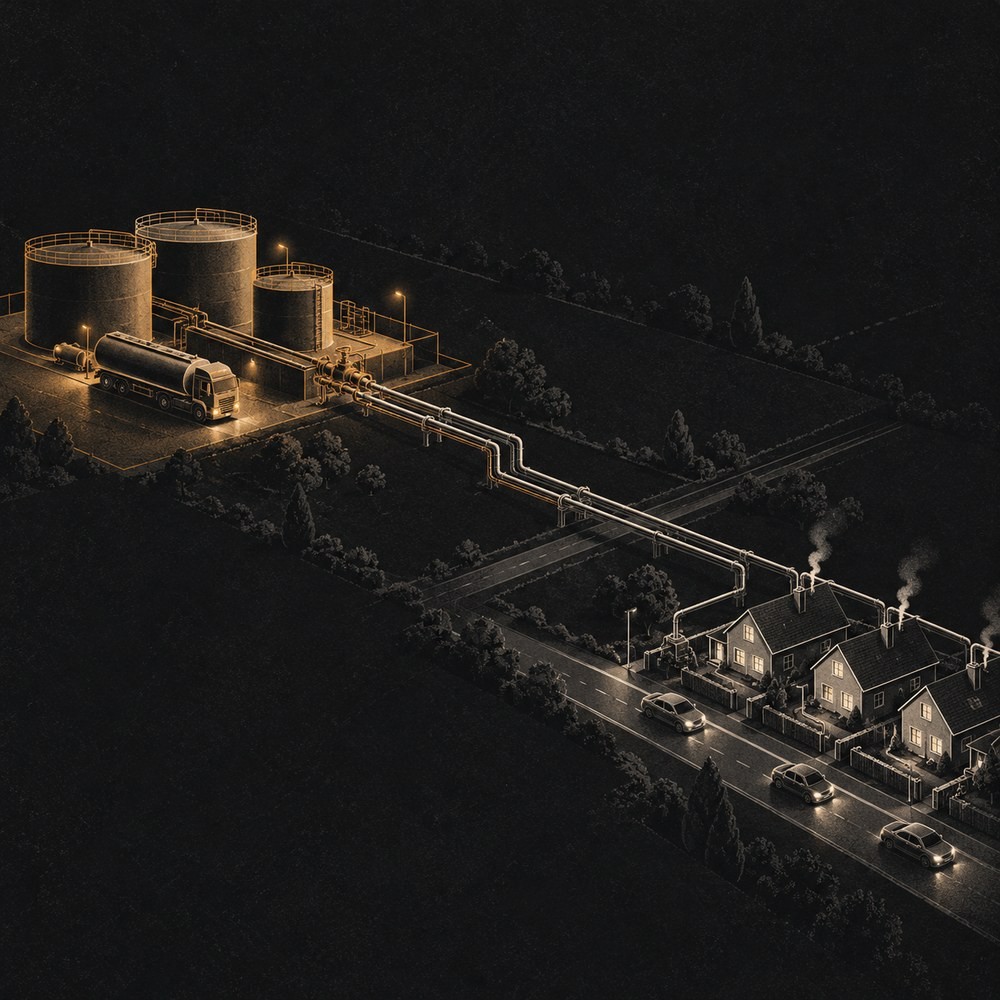
- Scope: carbon dioxide (CO₂) from fuel combustion in buildings, road transport and additional sectors, mainly small industry not covered by the existing EU ETS.
- Upstream design: the regulated entities are fuel suppliers, not households or drivers. Suppliers monitor and report emissions and surrender an equal number of allowances.
- Full auctioning: all ETS2 allowances are auctioned, and the cap is set to cut emissions 42% by 2030 compared with 2005.
- Price safeguard: in the first two years, if the allowance price exceeds €45 per tonne (in 2020 prices), extra allowances can be released from the market stability reserve.
- Social Climate Fund: part of the auction revenue goes to the Social Climate Fund for vulnerable households and micro-enterprises, expected to mobilise at least €86.7 billion in 2026–2032.
ETS2 is currently due to be fully operational in 2028
ETS2 was created by the 2023 revision of the EU emissions trading directive (Directive (EU) 2023/959) with a 2027 start. The amended European Climate Law (Regulation (EU) 2026/667), adopted on 11 March 2026 and published in the Official Journal on 18 March, set a 90% reduction target for 2040 and postponed ETS2 by one year, so under current law it becomes fully operational in 2028. Monitoring and reporting began in 2025; from 2028, fuel suppliers must surrender allowances by 31 May of the following year.
The six countries were asking for a further two years on top of a delay already made once.
Divisions at the summit

- Calls for delay: POLITICO reported that Italy and Poland got Czechia, Slovakia, Hungary and Greece to back a "reassessment of the ETS2" and to "further postpone its entry into force until at least 2030"; Estonia suggested scrapping it altogether. Cypriot President Nikos Christodoulides also publicly supported a delay.
- Majority against: five EU diplomats told POLITICO that the Nordic countries and the Netherlands were firmly against changing ETS2, a position backed by France and Germany. Finland, Denmark and Sweden wrote to fellow leaders that weakening the ETS would undermine the predictability investment decisions depend on.
- Length of debate: the issue took about three hours on 15 October, pushing lunch into the afternoon, and the evening press conference was cancelled.
- Arguments for delay: Euronews reported that the four Visegrad countries said households and small businesses would face higher costs and that price differences between EU regions and countries are enormous. Czech Prime Minister Andrej Babiš told leaders backing the 2028 date: "If you want ETS2 I guarantee you will lose elections."
One EU diplomat told Euronews the proposed amendments "would never get the required unanimity"; another said the countries raised it at the European Council because there was no majority for it in the Environment Council.
The conclusions: updated assessment, faster MSR work

The conclusions published early on 16 October contain three paragraphs on carbon markets:
- Paragraph 7: calls on the co-legislators (the European Parliament and the Council) to accelerate the ongoing legislative process on the Market Stability Reserve, with a view to moderating excessive price volatility.
- Paragraph 8: calls on the Commission to update the assessment of all impacts of ETS2, in particular its design and safeguards.
- Paragraph 11: in the context of the ETS review, stresses a well-functioning, transparent and predictable carbon market that protects against carbon leakage, reduces carbon price volatility and mitigates its impact on electricity prices, while preserving the ETS's role in driving investment and innovation through a market-based carbon price.
The conclusions do not change the ETS2 timeline. The start date is set in EU law, and changing it would require a legislative procedure. Christodoulides said the current wording was satisfactory to Cyprus and that he believed the Commission had grasped the importance of a further postponement; that is his own reading, and the Commission has not taken a position on a delay.
On the market stability reserve, the Council formally adopted an amendment to the ETS2 reserve on 9 October, a week before the summit. It:
- extends the reserve beyond 2030;
- doubles the allowances released when the carbon price exceeds €45 per tonne (2020 prices), from 20 million to 40 million;
- releases allowances more gradually when those in circulation fall below 260 million, to avoid a threshold effect.
Still under negotiation is the Commission's April 2026 proposal to amend the market stability reserve of the existing EU ETS (COM(2026) 153).
Carbon prices on household and transport fuels draw the most resistance
The existing EU ETS covers power plants, heavy industry, aviation and shipping, where companies bear most of the carbon cost. ETS2 regulates only fuel suppliers, but fuel costs feed into heating and pump prices, so the opposing countries focused on the burden on households and small businesses. Paragraph 6 of the conclusions also notes that the current geopolitical context is raising energy and fuel prices, with effects on citizens, in particular the most vulnerable.
The EU built several safeguards into ETS2: full auctioning, revenue earmarked for climate and social measures, the Social Climate Fund, and the €45 price safeguard with the market stability reserve. The dispute at this summit was over whether these safeguards are enough and whether now is the right time to start, and the Commission's updated impact assessment will frame the next round.
Possible directions for Taiwan
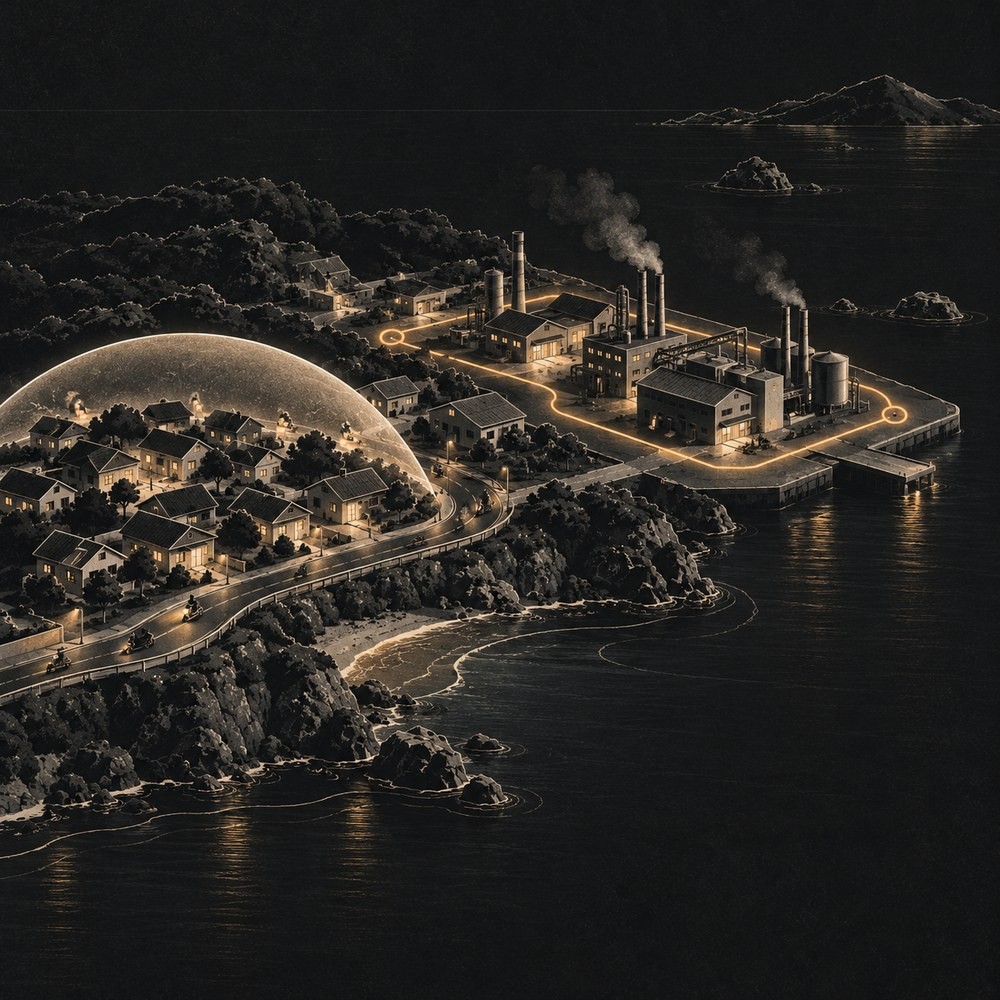
Taiwan's carbon fee applies to power, gas supply and manufacturing facilities emitting 25,000 tonnes of CO₂ equivalent or more a year, at a general rate of NT$300 per tonne. The Ministry of Environment plans an ETS pilot from 2028, running alongside the carbon fee (see "Taiwan ETS and Carbon Fee: Dual Track, Rate Review and Pilot"). The carbon fee is not levied directly on households or vehicle fuels, so it covers different sectors from ETS2, but the EU dispute offers several points of reference:
- Once a carbon price reaches household energy and transport fuels, social compensation has to be designed together with the system. The EU legislated the Social Climate Fund in advance and still faced strong pushback before launch, which shows that the size, timing and recipients of compensation need to be explained early.
- Write price safeguards into the rules. ETS2 uses a price threshold and the market stability reserve to release allowances automatically; the cap, allocation method and price floor and ceiling of Taiwan's ETS pilot are still being planned, and safeguards can be designed at the same time.
- Update and publish impact assessments regularly. The compromise this time was an updated impact assessment; when Taiwan adjusts carbon fee rates or widens the ETS, publishing analysis of effects on households, industries and regions can reduce political resistance.
- Watch the link between EU carbon prices and CBAM. The existing EU ETS price is the basis for the EU Carbon Border Adjustment Mechanism (CBAM) certificate price, so carbon price volatility affects costs for Taiwanese exporters (see "UK and EU to Link Carbon Markets: CBAM Exemptions and Taiwan").
Sources
- European Council, "European Council conclusions on competitiveness, the next multiannual financial framework and enlargement and reforms", 2026-10-16: https://www.consilium.europa.eu/en/press/press-releases/2026/10/16/european-council-conclusions-on-competitiveness-the-next-multiannual-financial-framework-and-enlargement-and-reforms/
- European Council meeting page (15–16 October 2026): https://www.consilium.europa.eu/en/meetings/european-council/2026/10/15-16/
- Council of the EU, "ETS2: Council signs off on rules strengthening the market stability reserve", 2026-10-09: https://www.consilium.europa.eu/en/press/press-releases/2026/10/09/ets2-council-signs-off-on-rules-strengthening-the-market-stability-reserve/
- Regulation (EU) 2026/667 (amended European Climate Law), Official Journal 2026-03-18: https://eur-lex.europa.eu/eli/reg/2026/667/oj/eng
- European Commission, "ETS2: buildings, road transport and additional sectors": https://climate.ec.europa.eu/eu-action/carbon-markets/ets2-buildings-road-transport-and-additional-sectors_en
- European Commission, COM(2026) 153 proposal amending the market stability reserve: https://eur-lex.europa.eu/legal-content/EN/TXT/?uri=celex%3A52026PC0153
- POLITICO, "EU leaders' summit descends into 3-hour argument over taxing car emissions", 2026-10-15: https://www.politico.eu/article/european-council-summit-argument-tax-car-emissions/
- Euronews, "ETS splits EU leaders and tests bloc's climate goals", 2026-10-16: https://www.euronews.com/2026/10/16/ets-splits-eu-leaders-and-tests-blocs-climate-goals
- Cyprus Mail, "Commission 'has grasped' need to postpone ETS2, Christodoulides says", 2026-10-16: https://cyprus-mail.com/2026/10/16/commission-has-grasped-need-to-postpone-ets2-christodoulides-says
Leave a comment
Comments are reviewed before publication. Email is private and used only when contact is necessary. Privacy notice