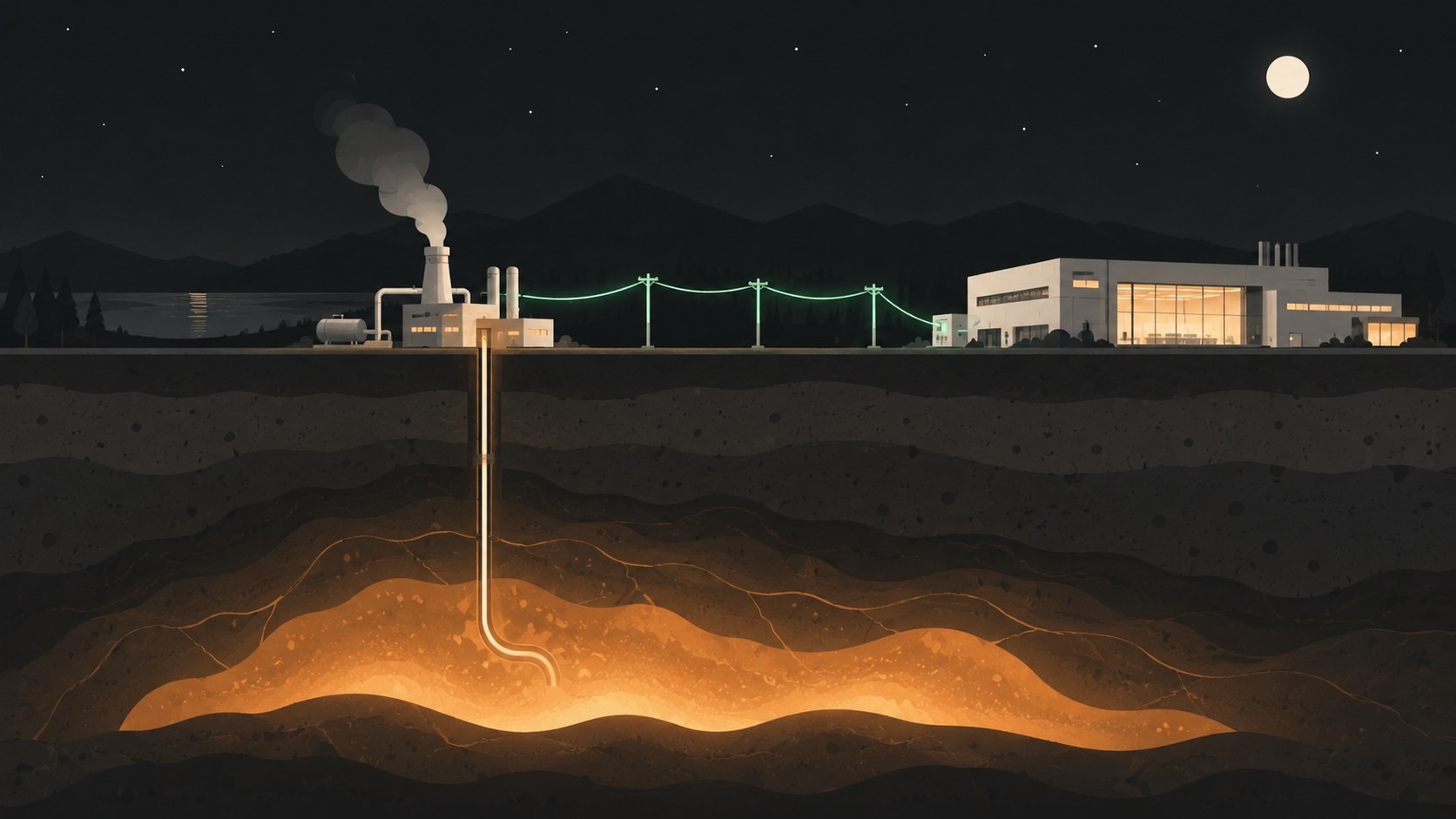
DIGITIMES reported on 12 October 2026 that Taiwan's semiconductor industry is negotiating a long-term geothermal power contract of more than 20MW, which could be announced soon. The report said AI is driving fast growth in electricity demand and chipmakers are looking for stable renewable supply. It did not name the buyer or the seller.
What kind of power geothermal provides
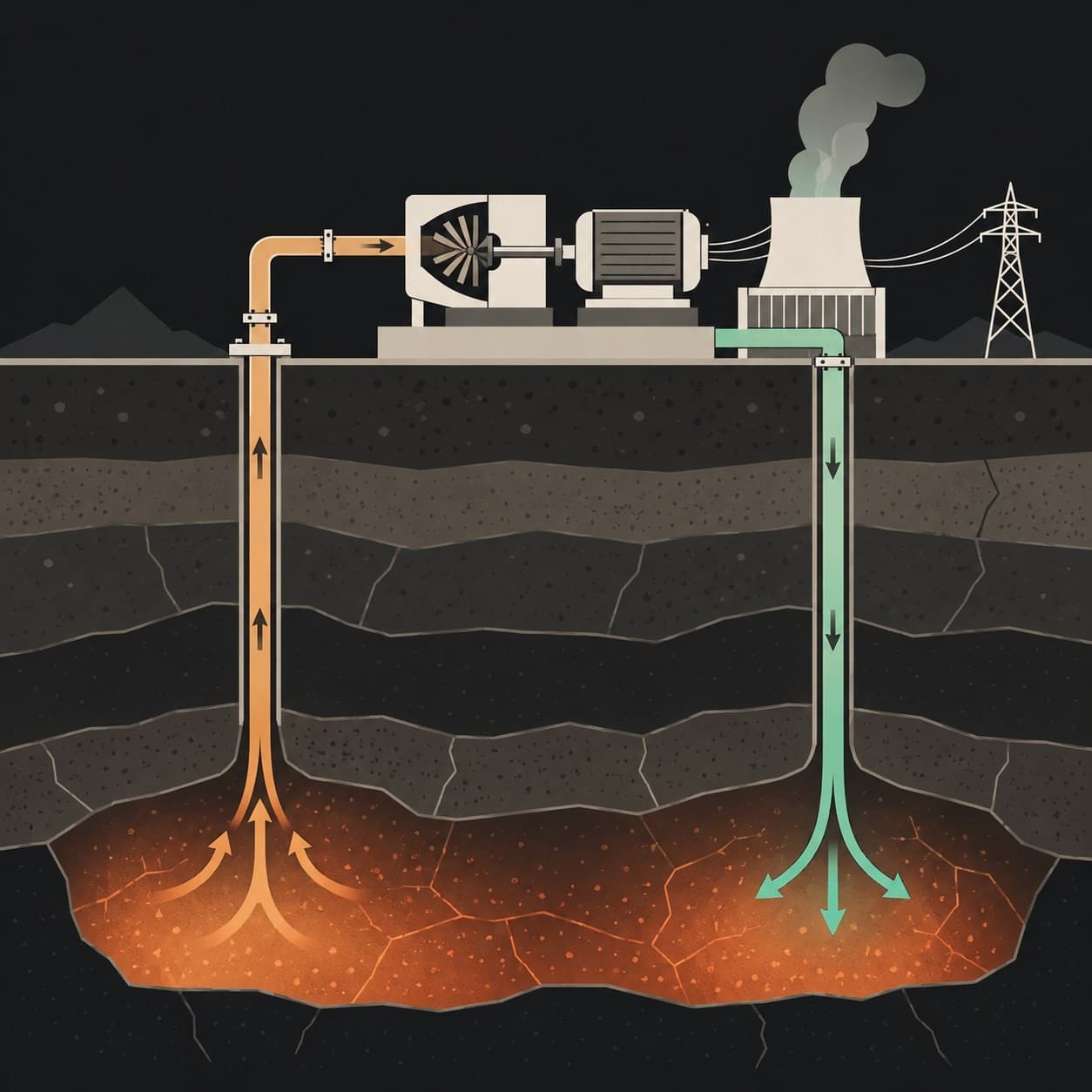
Geothermal plants use heat from deep underground to drive generators, with no carbon emitted in generation. Unlike solar and wind, geothermal does not depend on sunshine or wind speed and can supply steady power 24 hours a day, making it "baseload" green power.
Fabs and data centers run all year with a flat demand curve. Solar generates by day and wind varies with the seasons, so geothermal fills the night-time and low-wind hours with steady supply.
Taiwan's first corporate geothermal deal
In April 2025 Google signed Taiwan's first corporate geothermal power purchase agreement with Baseload Power Taiwan, also Google's first in Asia-Pacific. The first project will add 10MW of around-the-clock power to the grid for Google's data center and offices in Taiwan.
According to the Ministry of Economic Affairs, Taiwan had about 7MW of installed geothermal capacity at the end of 2024. A single 10MW or 20MW-plus contract is larger than the island's entire geothermal fleet at that time.
Chipmakers' current green power contracts
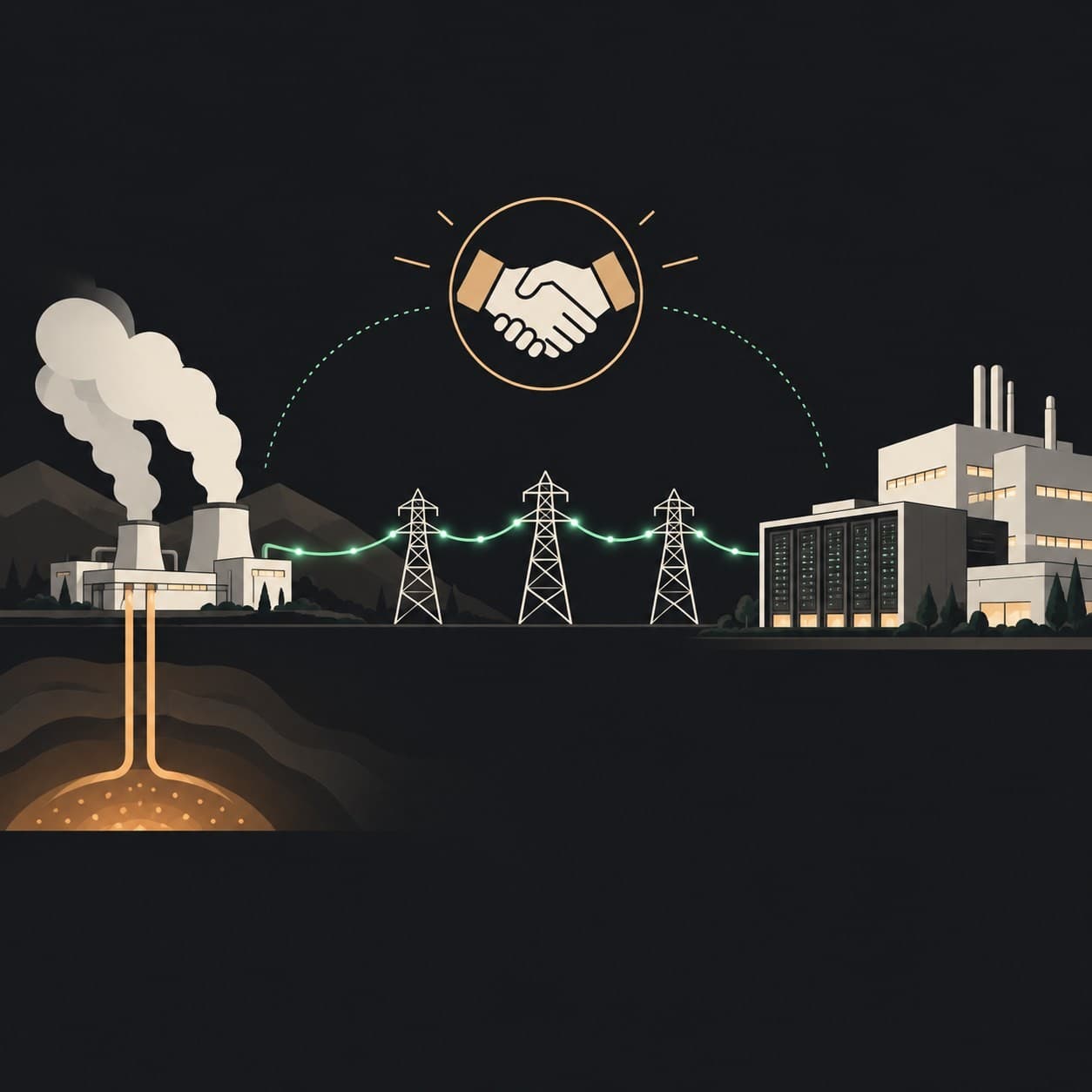
TSMC joined RE100 in 2020, the first semiconductor company in the world to do so. In 2023 it signed a 20-year joint renewable energy procurement contract with ARK Power for 20,000 GWh in total, or 1,000 GWh a year. TSMC takes half, and the other half is open to its suppliers. The power comes from solar projects combined with fish farming.
Public records so far show no geothermal power contract signed by TSMC.
Policy targets and tools
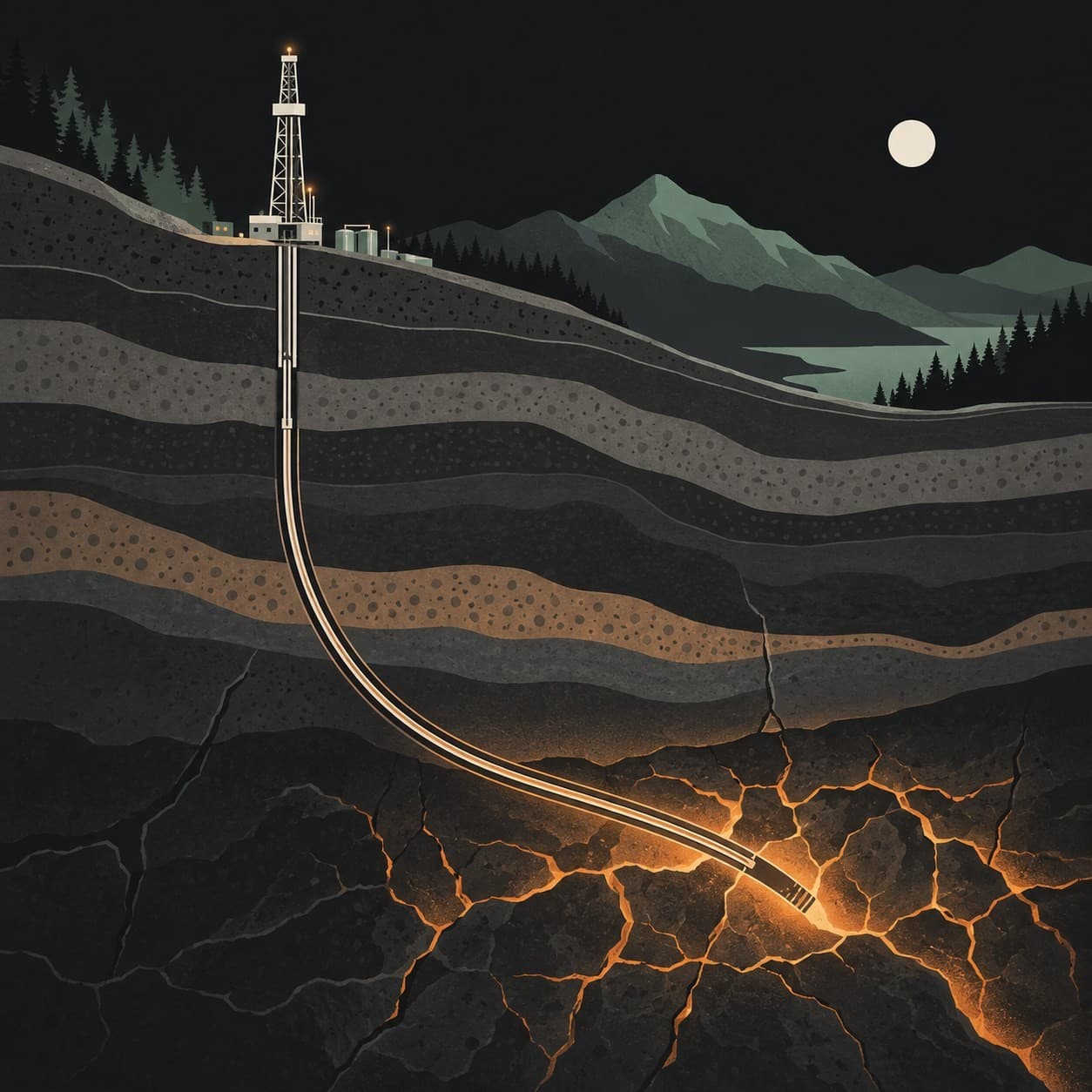
In April 2026 the Ministry of Economic Affairs told the Legislative Yuan that Taiwan aims for 200MW of geothermal power by 2030, with state-owned enterprises leading and exploration expanding nationwide. The Executive Yuan's Geothermal Decarbonization Flagship Action Plan, approved in 2025, focuses on deep geothermal: CPC Corporation is building a 25MW deep geothermal demonstration project in Yuanshan, Yilan, using enhanced geothermal system (EGS) technology, with the plant planned for completion in 2030.
Government tools include:
- Geothermal demonstration incentives covering up to 50% of drilling costs, capped at NT$100 million.
- Public release of exploration data to cut developers' early assessment costs.
- Planned amendments to the Renewable Energy Development Act that confirm geothermal resources belong to the state and set rules for directional wells passing deep beneath other people's land.
- Work with the Council of Indigenous Peoples on a consultation process with tribal communities.
Directions Taiwan can consider
- Long-term contracts to drive development: Geothermal exploration is costly up front. Long-term power purchase agreements give developers predictable revenue, which helps with financing and speeds up drilling. The Google deal has shown how this works, and chipmakers joining in would widen the buyer base.
- Public-private roles: State-owned enterprises handle deep geothermal demonstration and technology validation, private developers build shallower projects, and corporate buyers take the power under long-term contracts, so each shares the risk at a different stage.
- Open data: With exploration data public, more developers can assess sites, helping the industry reach scale.
- Shared local benefits: Many sites are in Indigenous areas. Sound consultation and benefit-sharing let communities share in the gains.

Sources
- DIGITIMES: (Exclusive) Geothermal green power knocks on the chip industry's door; 20MW-plus long-term contract may come soon (2026/10/12, Chinese)
- DIGITIMES Asia: Taiwan semiconductor industry eyes landmark geothermal power deal exceeding 20MW
- CNA: Google signs Taiwan's first geothermal power purchase agreement (2025/4/15, Chinese)
- TSMC: TSMC Signs 20,000 GWh Renewable Energy Joint Procurement Contract with ARK Power (2023/4/21)
- Ministry of Economic Affairs report to the Legislative Yuan on renewable energy and grid resilience (2026/4, Chinese)
- Executive Yuan: Geothermal Decarbonization Flagship Action Plan (Chinese)
Leave a comment
Comments are reviewed before publication. Email is private and used only when contact is necessary. Privacy notice