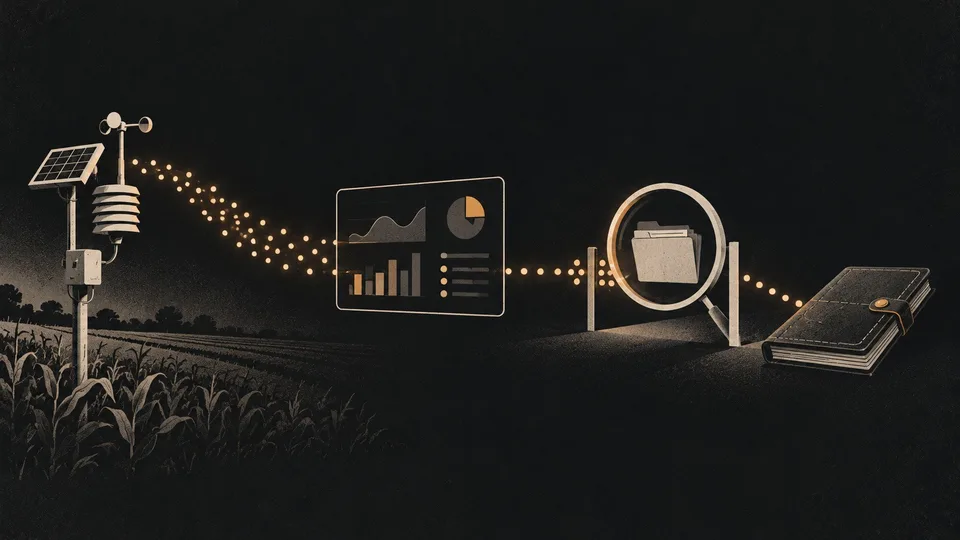
A live dashboard can tempt a carbon-credit buyer to equate faster data with faster credit delivery. Methodologies, verification and issuance rules still stand between the two. Digital tools can shorten workflows. They do not automatically remove these requirements.
On October 16, 2026, the International Emissions Trading Association (IETA) released a buyer’s guide to digital monitoring, reporting and verification (dMRV). It discusses how continuous data can reduce operating costs, identify risks earlier and support more frequent issuance. This is an introductory guide for buyers, not a new mandatory issuance standard.
Key terms
- Digital monitoring, reporting and verification (dMRV): Digital tools connect data collection, reporting and verification. Not all dMRV systems operate in near real time.
- Issuance: The creation of credits under the applicable program. Uploading data does not itself complete issuance.
- Application programming interface (API): An interface for exchanging data between systems. It does not itself certify credit quality.
From periodic reports to continuously traceable data
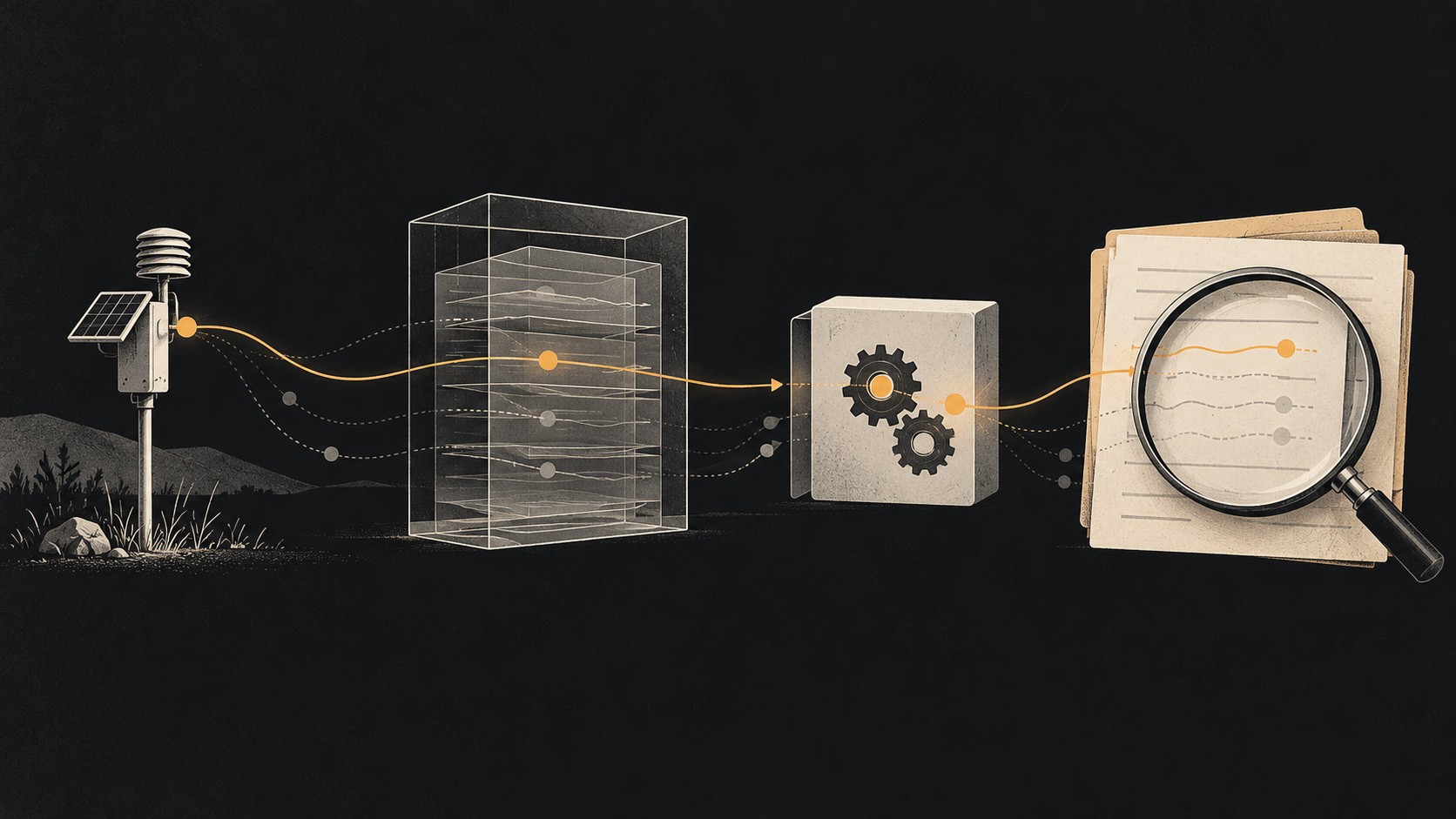
The guide explains that dMRV is not merely moving PDFs to the cloud. It connects data collection, calculation, reporting and verification. More frequent data can help reveal equipment or project problems, but faster issuance still depends on the applicable rules. Site checks, human review and sampling cannot all be assumed unnecessary. Platform shutdowns, model changes, cybersecurity and data-access rights introduce risks that buyers should not overlook.
High-frequency issuance exists, but it is conditional
On February 19, 2026, Verra announced approval of the first credits under its high-frequency issuance pilot, from the Foumbouni-Mitsamiouli solar project in Comoros. This is an earlier pilot development, not a new event this week.
Under the pilot arrangements described in that announcement, digitally verified interim issuance requests can receive 80% of the approved volume, while 20% is withheld. After one year of high-frequency issuance, full verification must cover parameters including safeguards and stakeholder engagement. This 80/20 arrangement belongs to that pilot. It is not a universal rule for carbon-credit programs.
Puro.earth announced dMRV Connect on December 9, 2025, enabling external systems to send audit data and evidence to its certification platform through an API, reducing repeated uploads and exchanges. This improves data transfer. It does not mean a sensor reading immediately creates a credit.
The guide also notes that more frequent issuance may require contracts to redefine rolling-batch delivery and responsibilities across development, monitoring, validation and crediting.
What remains uncertain
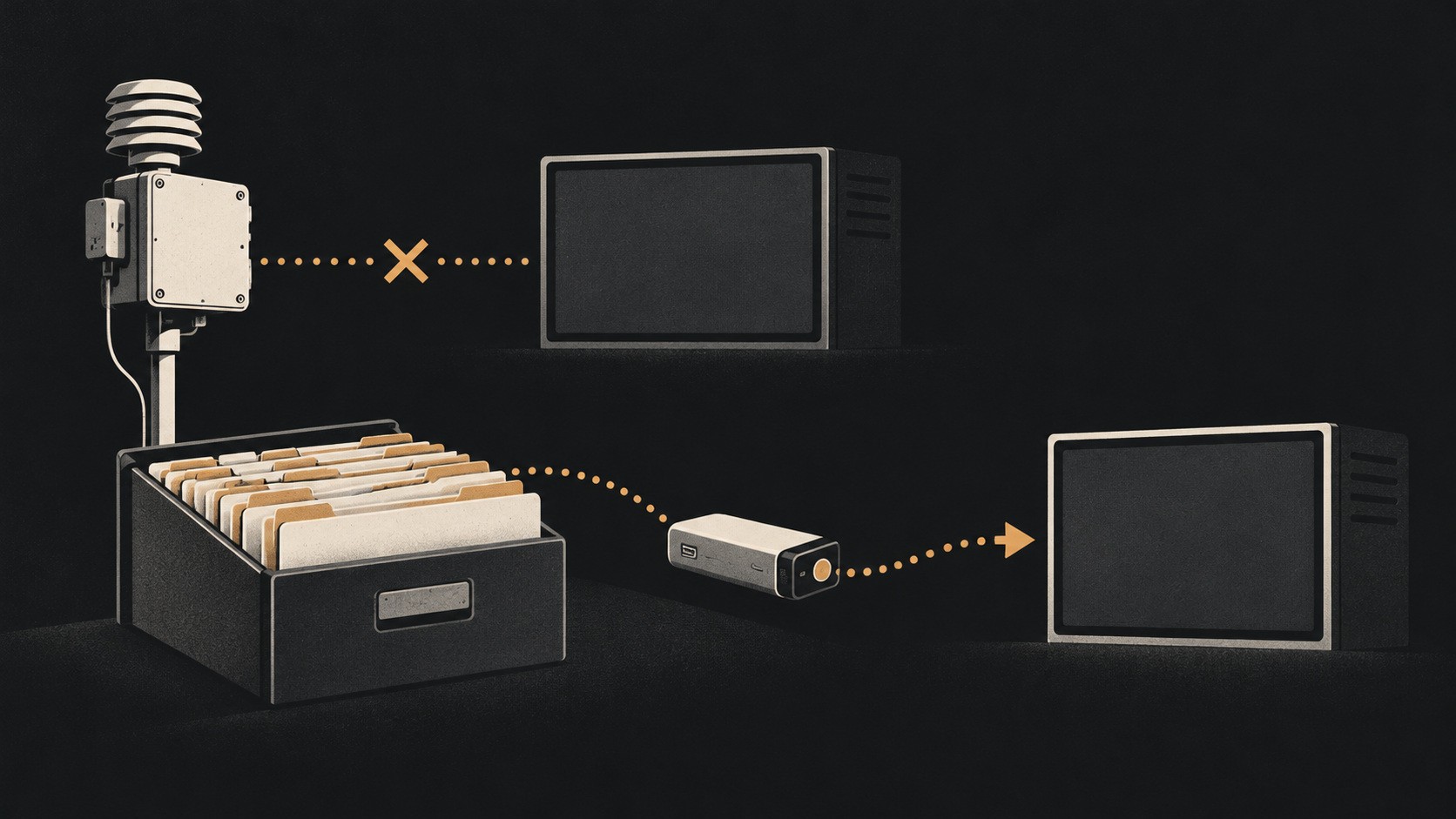
Not all dMRV operates in near real time. Faster issuance for an individual project still depends on its methodology, program rules and acceptance of the evidence.
Our view: What remains between the data and delivery?
The following is this site’s interpretation, not an official position of IETA, Verra or Puro.earth. These procurement questions analyze the institutional differences described above. They are neither IETA’s standard contractual clauses nor legal advice. Their purpose is to turn a supplier’s promise of digitalization into verifiable delivery conditions.
First, define the deliverable. Estimated reductions, verified volumes and issued credits should appear separately. A polished dashboard should not determine what a buyer is paying for or receiving.
Second, ask for a reproducible evidence trail. Take an actual data point and show how measurement, corrections, calculations and verification results connect. If the system produces a different result, it should identify the stage that changed, rather than display only a revised total.
Third, test the outage procedure. Use a hypothetical one-week data interruption and ask which volumes would stop being recognized, when supporting information would be supplied, and who would notify the buyer. This tests a process; it does not assert that any project has suffered an outage.
Fourth, ensure access to history after changing providers. Agree in advance which data can be exported and who retains verification records. Otherwise, changing services could make the basis for earlier deliveries harder to trace.
Buy traceable outcomes, not just faster numbers
Shorter waiting times therefore need clearer boundaries for delivery and exception handling.
dMRV’s greatest value is helping a buyer identify problems earlier, not simply see a number sooner. Full automation of every stage need not be the starting point. A clearly defined methodology and project can first connect data, verification and delivery responsibilities.
For Taiwanese companies evaluating dMRV services, “Can it connect through an API?” and “Can it support the issuance and verification of the credits we buy?” are separate questions. Technical capability and acceptance under a program are different checklists. What deserves payment is not a faster credit counter, but a delivery process that remains explainable, traceable and accountable when something goes wrong.
Original sources
- Original source: International Emissions Trading Association (IETA); Original publication date: October 16, 2026; Source nature: Industry association buyer-guide release. Original URL
- Original source: International Emissions Trading Association (IETA); Original publication date: October 2026; day not stated; Source nature: Industry association buyer guide, pages 4–7. Original URL
- Original source: Verra; Original publication date: February 19, 2026; Source nature: Carbon-credit standards organization pilot announcement. Original URL
- Original source: Puro.earth; Original publication date: December 9, 2025; Source nature: Certification platform product announcement. Original URL
Leave a comment
Comments are reviewed before publication. Email is private and used only when contact is necessary. Privacy notice