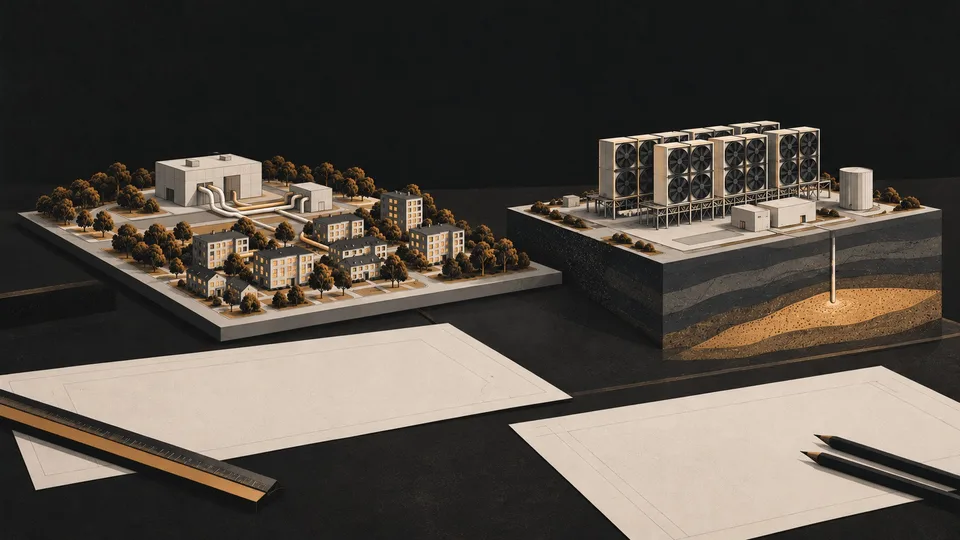
The EU Innovation Fund’s selection now includes small modular nuclear reactors (SMRs) and direct air carbon capture and storage (DACCS) for the first time. That expands the range of technologies selected for support. It does not mean that the projects have received their funding or entered commercial operation.
On October 19, 2026, the European Commission announced the selection of 77 net-zero technology projects for a total of €3.4 billion in support. The selected applicants must now prepare grant agreements with the European Climate, Infrastructure and Environment Executive Agency (CINEA), addressing budgets, schedules, technical and financial deliverables, and legal obligations. The results of this process are expected in the first quarter of 2027.
Key terms
- Small modular reactor (SMR): The selected project discussed here is planned to supply heat. Its stated output is not electricity generation.
- Direct air carbon capture and storage (DACCS): Capturing CO₂ from ambient air and storing it.
- Grant agreement: A contract prepared after selection that addresses budgets, schedules and delivery responsibilities.
Nuclear heat and atmospheric removal address different needs
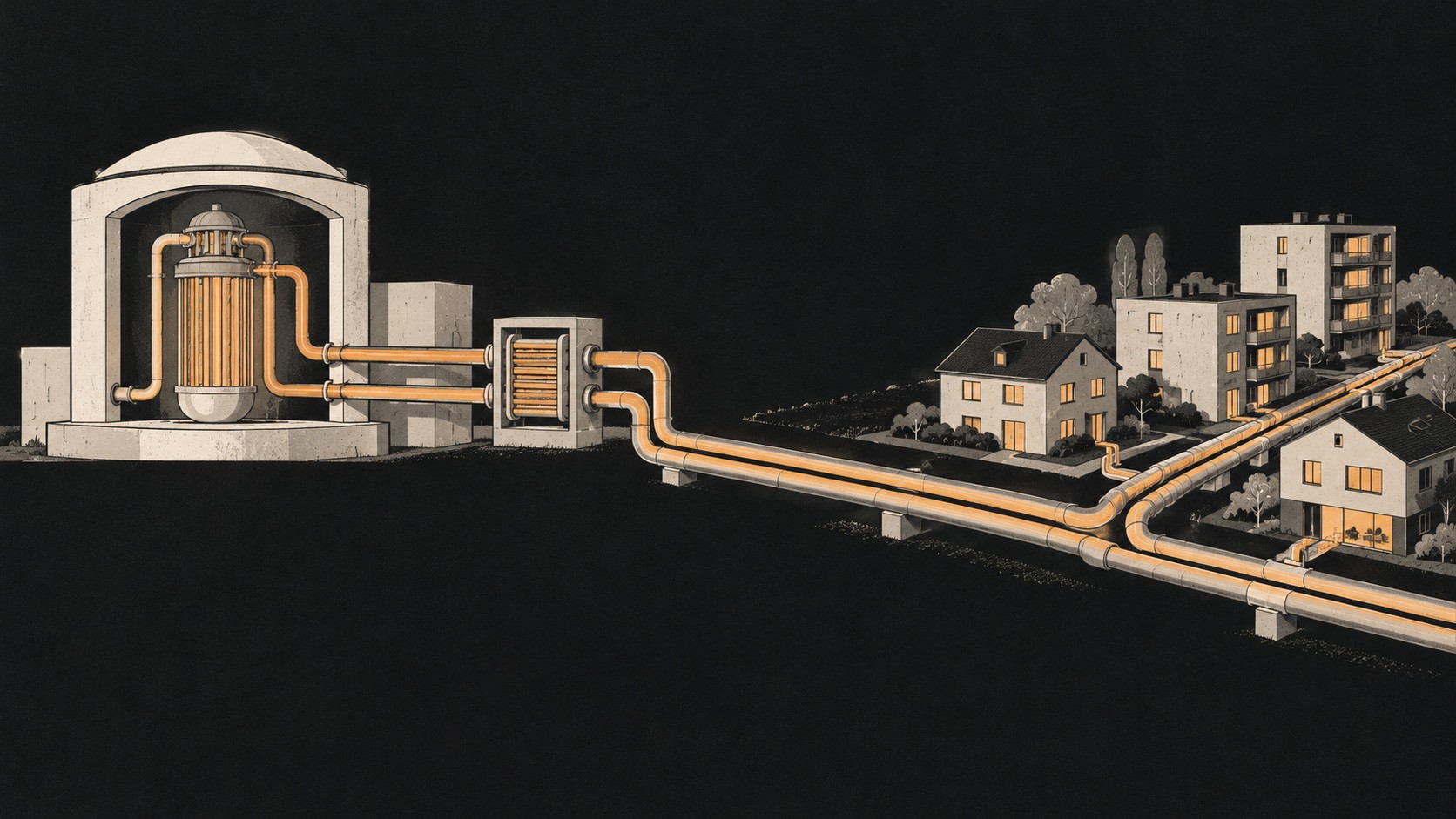
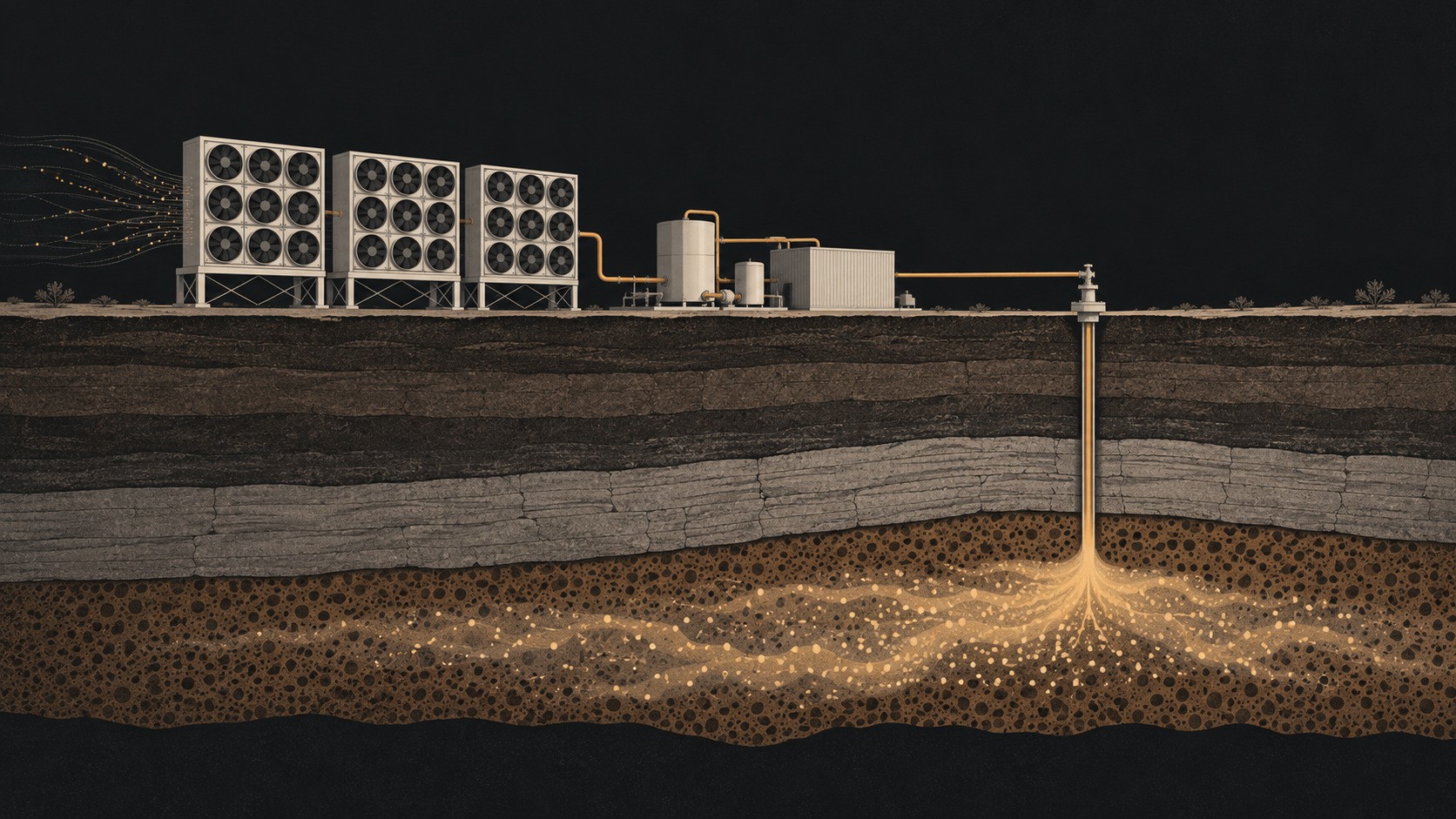
According to the official project list, Calogena’s NetZeroHeat project in France would connect a heat-only SMR to the district heating network in Pierrelatte, targeting 131 GWh of low-carbon heat annually. That figure is heat supply, not electricity generation. Sirona Technologies Norway’s Furu project would build a DACCS pilot in Øygarden, using renewable electricity and connecting to Northern Lights geological storage, with approximately 4,000 tonnes of CO₂ removal annually. These are planned capacities, not demonstrated operating results.
The two projects should not be combined into a single “nuclear-powered direct air capture” project. One would supply low-carbon heat; the other would capture atmospheric CO₂ for permanent storage. The announcement does not establish an energy-supply relationship between them.
Carbon-market revenues support low-carbon demonstration
The Innovation Fund channels revenues from the EU Emissions Trading System (EU ETS) into the demonstration and deployment of innovative low-carbon technologies. Carbon pricing therefore does more than impose a cost on emissions: through the fund, it also helps technologies move through the demonstration stage.
What remains uncertain
Grant agreements remain to be completed. Selection does not establish final deliverables, cost competitiveness or actual decarbonization performance.
Our view
The following is this site’s interpretation, not the European Commission’s official position.
For technology developers, selection sends a clear policy signal. In evaluating project progress, however, selection, grant agreements, construction and actual operation must remain distinct. A funding decision indicates what governments are willing to support; it does not by itself establish cost competitiveness or verified decarbonization performance.
The next questions are whether the agreements are completed and what deliverables they ultimately commit to. For Taiwan, the lesson is not simply whether to subsidize a particular technology, but what verifiable outcomes public money should secure: heat services, permanent removal, or operating evidence sufficient to support further expansion.
Original sources
- Original source: European Commission; Original publication date: October 19, 2026; Source nature: Government institution news release. Original URL
- Original source: European Commission; Original publication date: No separate date stated; provided with the October 19, 2026 announcement; Source nature: Official selected-project descriptions, pages 12–13. Original URL
- Original source: European Commission; Original publication date: Original publication date not stated; July 9, 2026 is the update date; Source nature: Official program overview. Original URL
Leave a comment
Comments are reviewed before publication. Email is private and used only when contact is necessary. Privacy notice