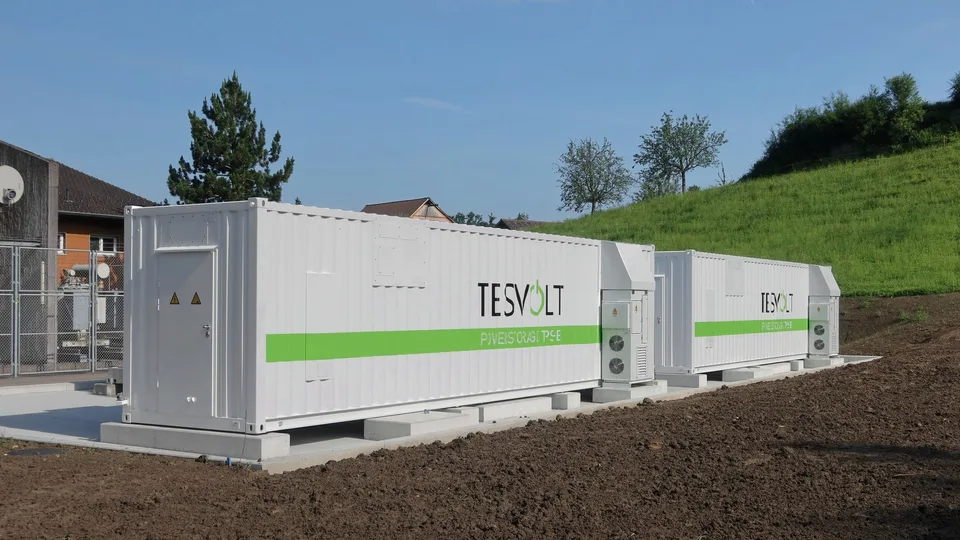
In October 2026 the Electric Power Research Institute (EPRI) released a white paper, Risk Factors and Failure Statistics of Lithium Ion BESS, based on its battery energy storage system (BESS) failure incident database. Its headline finding: measured per GWh deployed, the global failure rate of lithium-ion battery storage fell 98% between 2018 and 2025. As storage sites multiply in Taiwan and residents ask about fire risk, this article walks through the numbers in the report.
How the failure rate is calculated
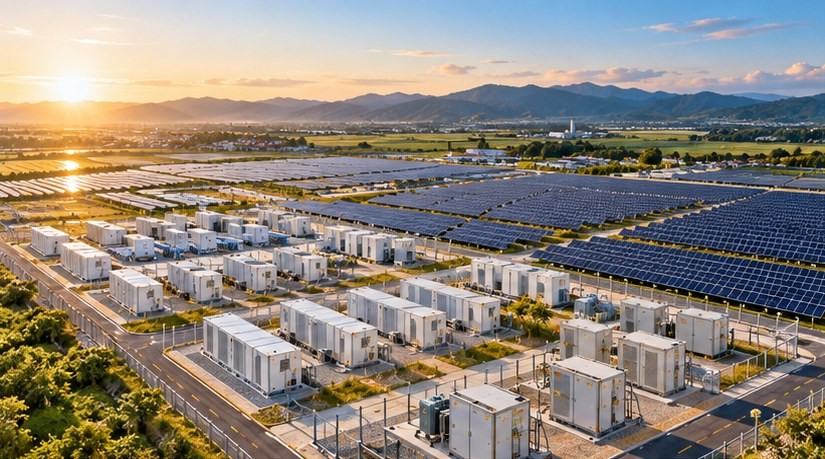
EPRI's database records 150 failure incidents worldwide between 2018 and 2025. The failure rate divides incidents by cumulative deployment, so when deployment grows quickly and incidents do not, the rate falls.
- 2024: 26 incidents in a global fleet of 343 GWh
- 2025: 24 incidents in a global fleet of 634 GWh, a 50% drop in the failure rate in a single year
Per container, the annual failure rate is about 0.04% to 0.14%. EPRI compares this with large oil-filled transformers: CIGRE puts their annual fire-related failure rate at about 0.1%, and Doble Engineering's 2015–2021 data shows operational failure rates of 0.32% to 0.56%. Battery storage fails at rates in the same range as transformers, and incident response is similar.
Injuries and how far incidents spread
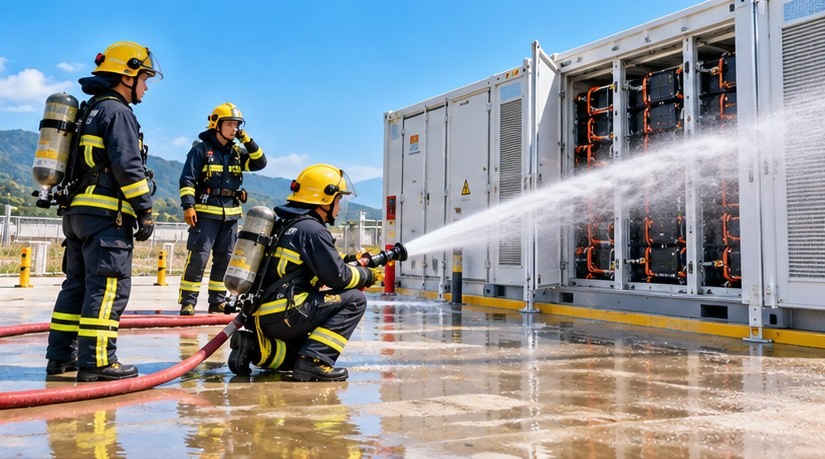
- 93% of incidents caused no injuries or fatalities
- 11 of the 150 incidents caused casualties: 24 injuries and 4 fatalities in total (1 unconfirmed), mostly firefighters (22 injuries, 3 fatalities) and employees (2 injuries, 1 fatality)
- No member of the public suffered acute injury from a BESS fire or explosion in the database
- In every recorded utility-scale incident, fire did not spread beyond the BESS facility; a small number of commercial and industrial incidents damaged the host building
Utility Dive reports that in the US no BESS incident has caused injuries or fatalities since an April 2019 explosion in Arizona. EPRI notes that the greatest danger to first responders is explosion from flammable gas buildup, so gas detection, explosion venting and firefighter training are priorities.
Which systems carry more risk

- Older systems fail more often; newer systems built under stricter codes and design practices perform better
- Systems commissioned before 2021 make up only about 3% of global capacity. EPRI recommends safety reviews and, where warranted, retrofits such as flammable gas detectors or improved ventilation
- Indoor, building-based systems are overrepresented among failures and sustain more damage on average. In January 2025 a fire at Moss Landing in California, housed in a 1950s turbine hall, destroyed most of a 300 MW battery array; no injuries were reported, and later soil and water monitoring found no significant threat to health or the environment
Regional trends and evolving standards
EPRI's failure-rate reductions by region as of end-2025:
- China: 356 GWh cumulative, 25 incidents, down 99%
- US: 149 GWh, 36 incidents, down 97%
- Europe: 40 GWh, 20 incidents, down 85%
- South Korea: 13 GWh, 55 incidents, down 91%
Of South Korea's 55 incidents, 27 occurred in 2018–2019. A government taskforce then introduced testing, protection and retrofit measures, and the failure rate fell sharply.
On standards, NFPA 855 was first published in 2020 with the latest edition in 2026, and UL 9540 was updated in 2023 and 2025. Continually updated standards, with new sites designed to them, are a major reason the failure rate has fallen.
Taiwan's storage safety framework
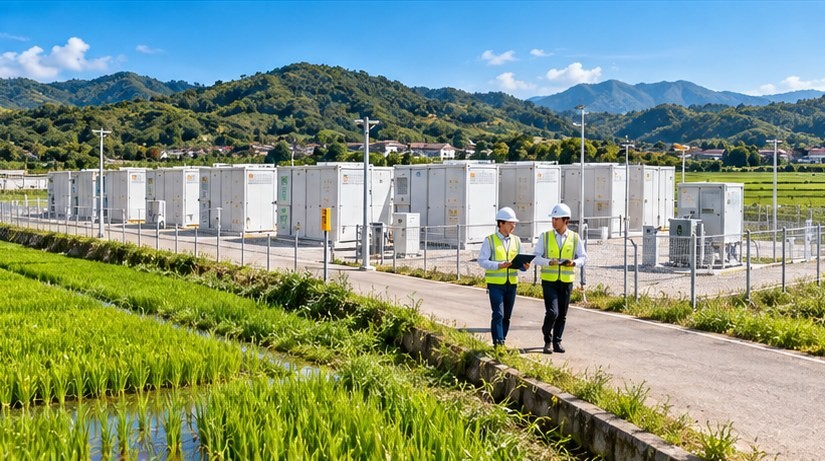
Alongside its rapid storage build-out, Taiwan has set up layered safeguards covering equipment, electrical work and fire safety. According to a May 2026 overview by the National Fire Agency:
- Equipment safety: the Energy Administration drew on IEC 62933-5-2 to issue technical specifications for outdoor BESS site verification, covering design review, on-site testing and periodic testing during operation. Cells, battery management systems, power conversion systems and enclosures must meet national or international standards
- Electrical safety: design and completion certification by licensed electrical engineers, plus a voluntary product certification (VPC) for outdoor storage systems from the Bureau of Standards, Metrology and Inspection
- Fire safety: under the fire safety management guidelines for storage systems, grid-connected storage sites must pass a fire safety design review before construction and a site inspection on completion, with periodic testing every two years in operation
- On November 3, 2025 the guidelines were extended to storage at factories, hospitals, schools and apartment buildings, and to lead-acid, nickel-based, flow and fuel cell batteries
This framework covers the points EPRI highlights: safety requirements at design stage, on-site verification and regular checks in operation.
Possible directions for Taiwan
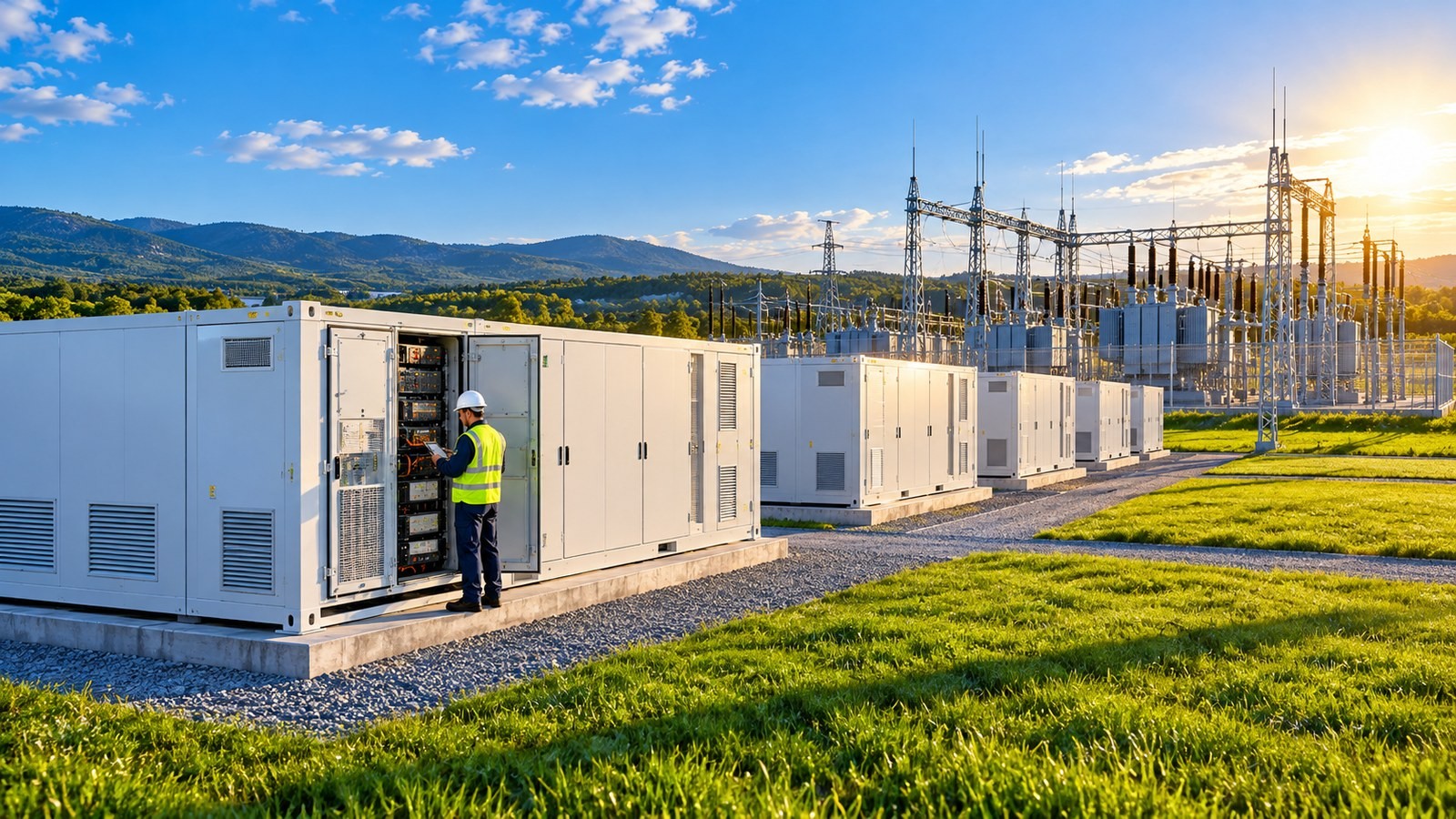
- Publish storage safety data regularly: EPRI uses an open database to explain risk; Taiwan could compile certification and incident statistics for domestic sites so the public sees concrete numbers
- Keep design review, site inspection and periodic testing, and update them in step with NFPA 855, UL 9540 and other international standards
- Prioritize flammable gas detection, explosion venting and firefighter training, matching the main risks EPRI identifies
- Build on the two-year periodic testing by giving early-vintage sites priority for safety reviews
For background on storage and grid flexibility, see "IEA Electrification Report: Cost, Finance and Grid Barriers".
Leave a comment
Comments are reviewed before publication. Email is private and used only when contact is necessary. Privacy notice