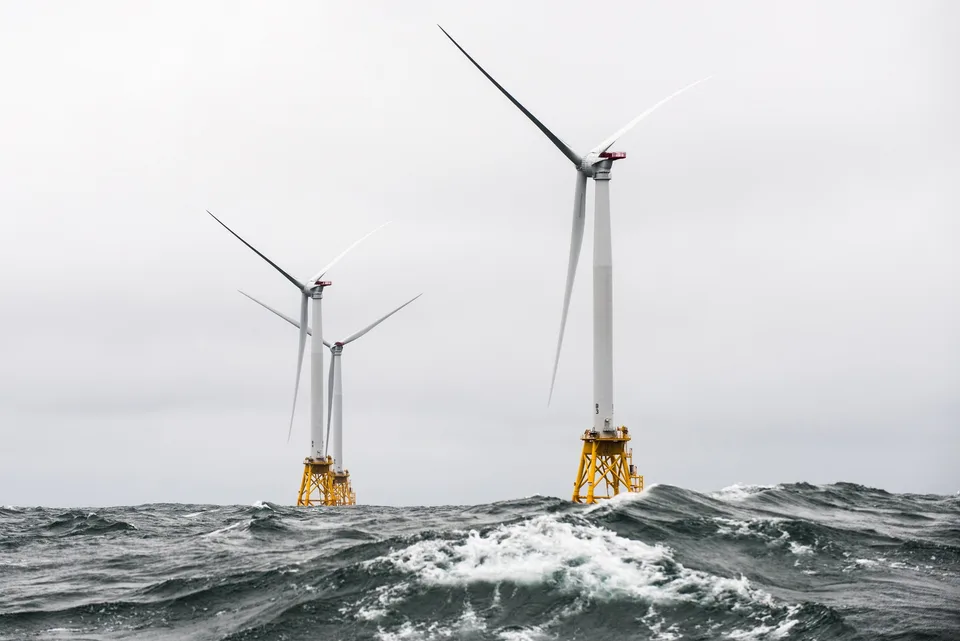
The Associated Press reported on October 21, 2026 that the Trump administration is again targeting offshore wind, seeking to reconsider permits approved under the Biden administration, a move that could unsettle the bipartisan energy permitting deal just reached in Congress. Utility Dive detailed the court filings on October 22.
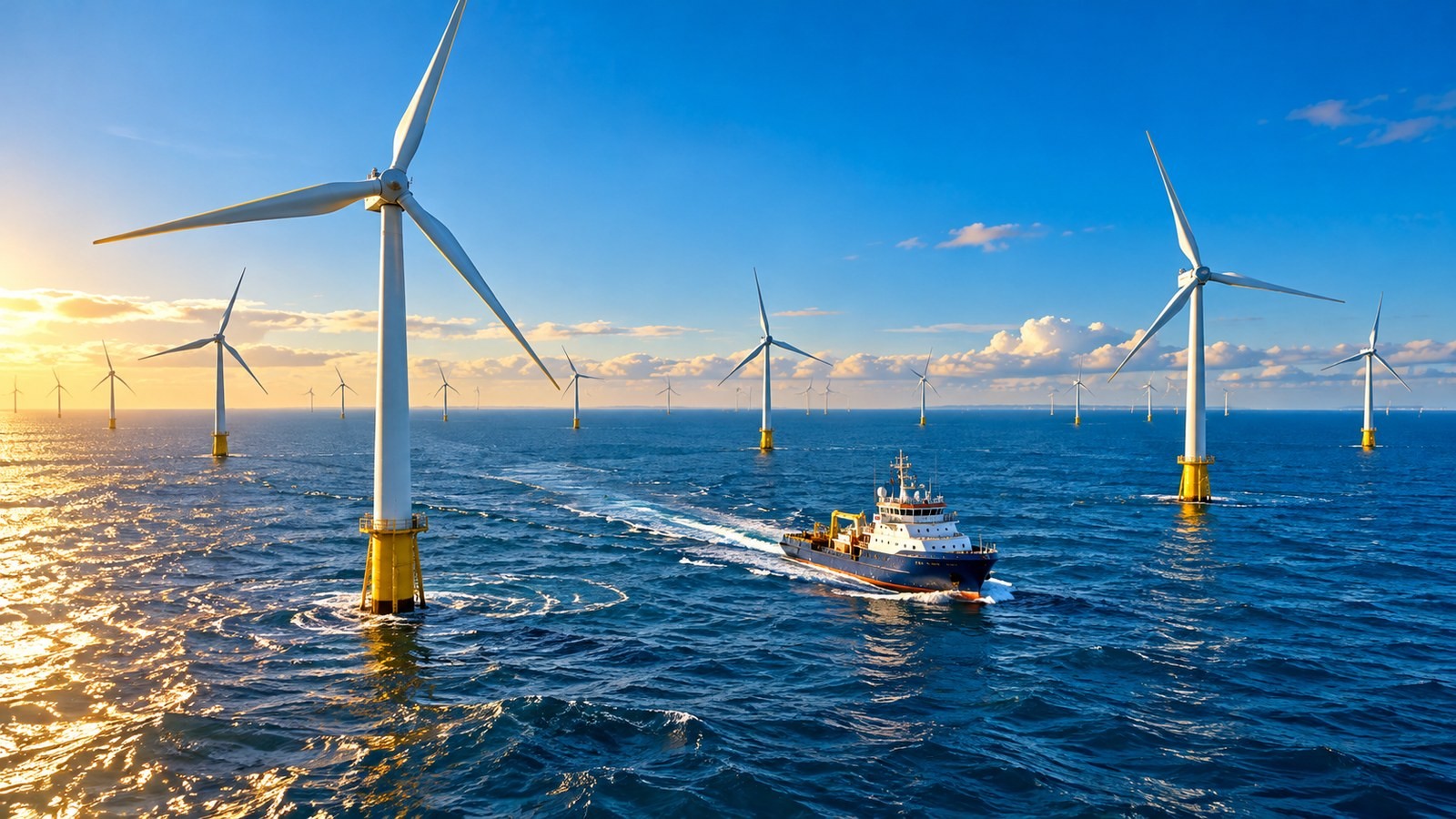
The three wind farms
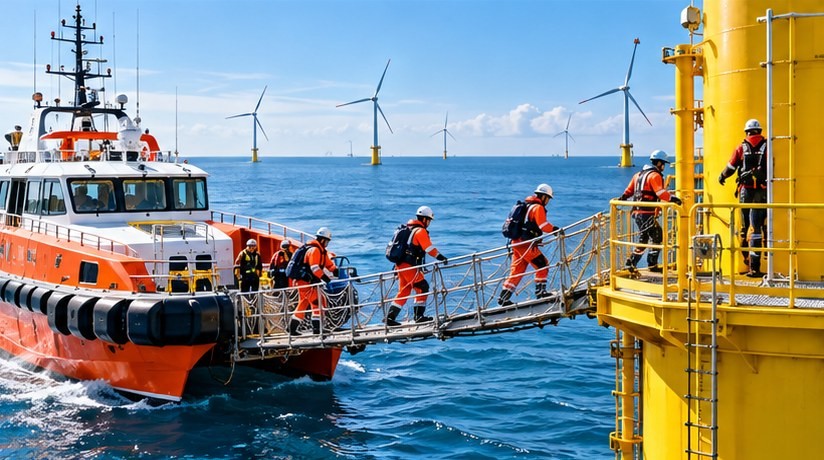
The US Department of Justice filed motions in federal court asking judges to revoke the Interior Department's approvals of the construction and operations plans (COPs) for three offshore wind farms:
- Revolution Wind (700 MW): offshore construction is complete and it has delivered power to New England's grid since March; it is a 50/50 venture between Ørsted and Skyborn Renewables
- New England Wind (2.6 GW): off Massachusetts, developed by Avangrid, construction not yet announced
- Maryland Offshore Wind (2.2 GW): off Maryland, developed by US Wind, construction not yet announced
The administration argues the approvals may have violated the Outer Continental Shelf Lands Act and that Interior must reassess each one. All three motions were filed in existing lawsuits brought by local governments or groups opposed to the projects.
Earlier measures
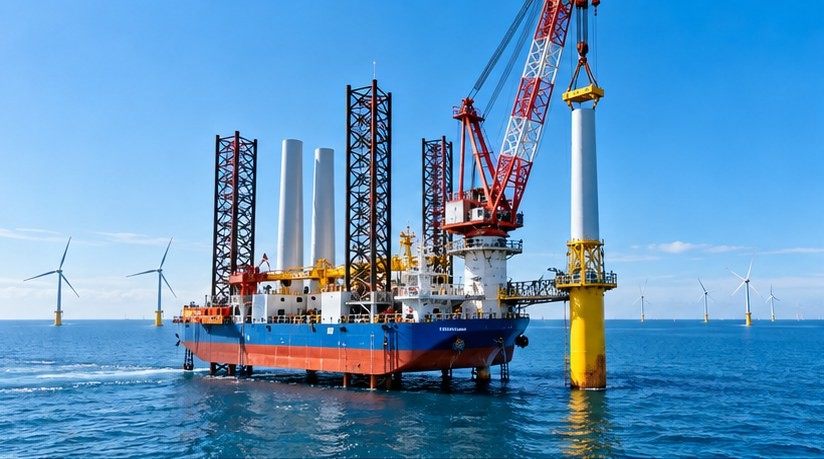
The administration has already restricted offshore wind in several ways:
- A December 2025 stop-work order on five projects under development
- Buying back offshore wind leases, with payment generally contingent on developers investing an equal amount in other US energy such as oil, gas and geothermal
Effect on the permitting bill
In September 2026 senators unveiled the Bipartisan American Affordability and Jobs Act, which would streamline permitting for energy projects and includes a provision to prevent federal agencies from favoring particular resources. The deal reportedly came after President Trump told Democratic lawmakers that wind and solar would get better treatment.
Sen. Sheldon Whitehouse, D-R.I., a sponsor of the bill, said: "This is how you blow up a permitting deal." The bill awaits action in the Senate Energy and Natural Resources Committee, with amendments expected when the Senate reconvenes in November. Tony Irish, a former Interior associate solicitor, said the filings upend the settled expectations of energy producers of all kinds.
Taiwan's offshore wind progress
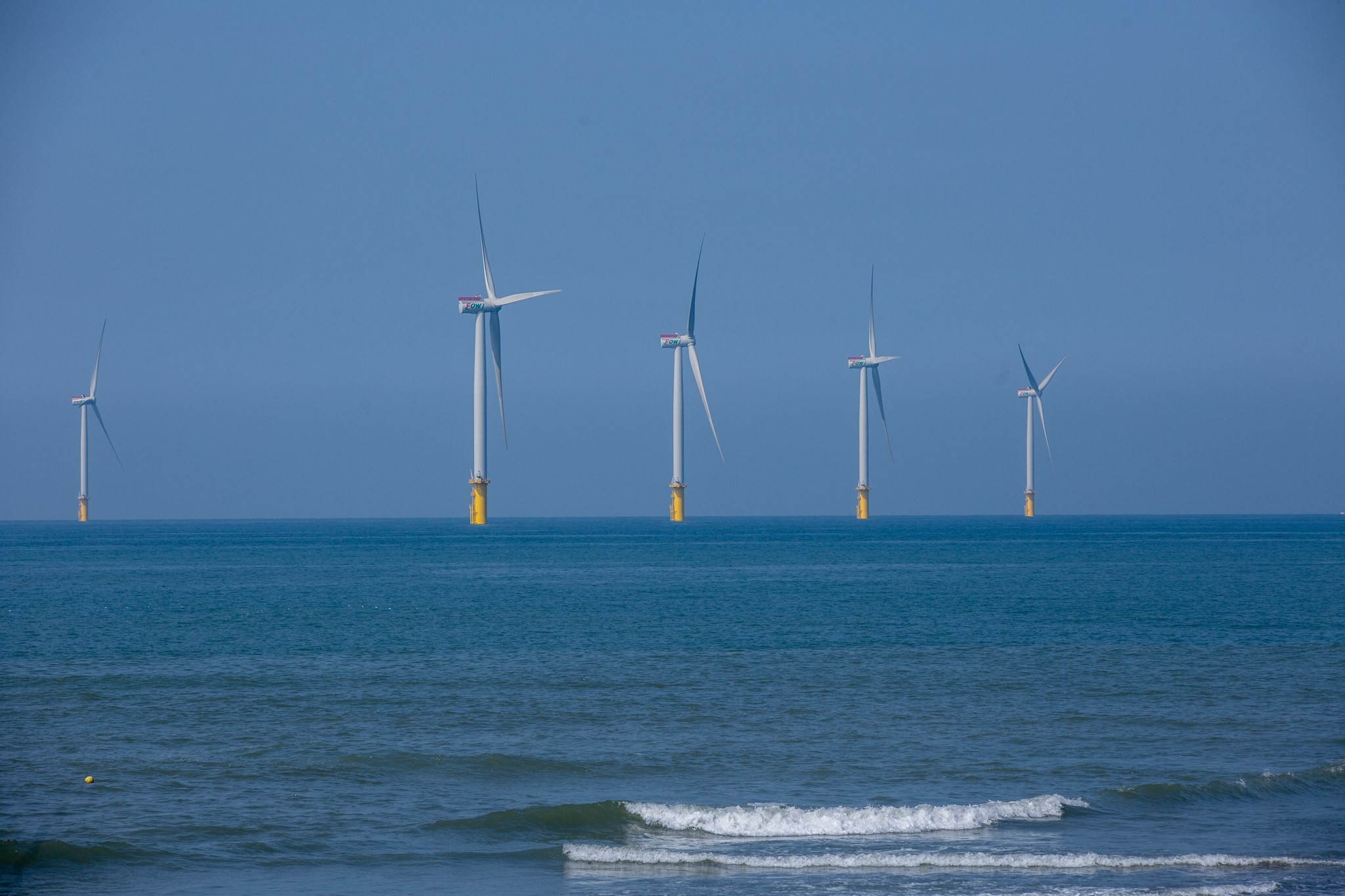
US policy shifts lead international developers and investors to place more weight on market stability. Taiwan's offshore wind build-out continues steadily, with clear targets and rules:
- The Ministry of Economic Affairs said in July 2026 that 508 offshore turbines totaling 4.9 GW are installed and 8 wind farms are in commercial operation, 45% of the 2030 target
- Operating wind farms came through several typhoons over the past year without damage
- Offshore wind output passed 10 billion kWh for the first time in 2025; according to the Global Wind Energy Council (GWEC), Taiwan ranked 3rd in the world for new offshore capacity in 2025 and 5th for total capacity
- It took less than 10 years from the first 2 demonstration turbines in 2017 to 500 turbines
On policy, in July the ministry published the contract template for the third round of zonal development, including a guaranteed floor price of NT$2.29 per kWh, an incentive for longer power sale periods and a one-year flexible grid connection mechanism to help developers manage risk. The 2026–2039 plan schedules about 8 GW of zonal allocation in each of 2027 and 2029, plus floating wind demonstrations, and projects 18.3 to 19.9 GW of total capacity by 2035.
Financing is growing too. By the end of March 2026, banks had signed offshore wind project finance totaling about NT$638.9 billion; by the end of May, approved insurance-industry investment in green power plants reached NT$86.5 billion. A loan guarantee mechanism funded with NT$9.63 billion by the National Development Fund and 8 domestic banks has approved 17 cases with guarantees totaling NT$66.05 billion.
Possible directions for Taiwan
- Keep the long-term, predictable zonal development schedule so that, as global markets shift, international developers and investors see Taiwan as a stable place to invest
- Continue lowering development risk with floor prices, flexible grid connection and national loan guarantees to attract diverse capital
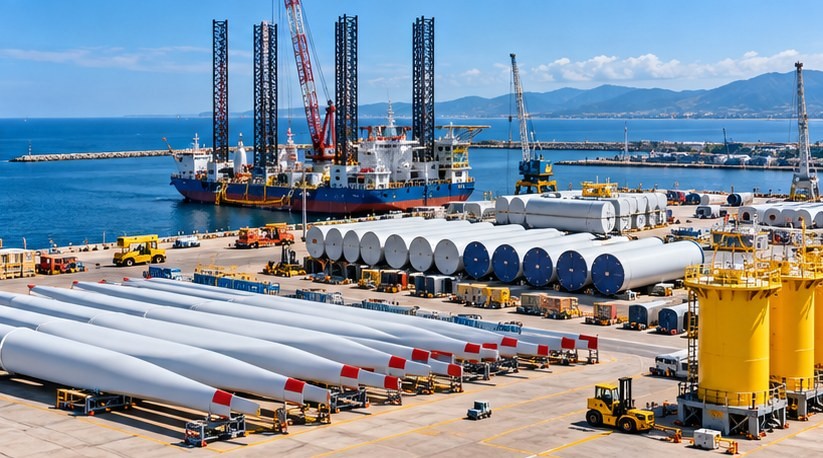
- Follow the ministry's four pillars of clear policy, industry development, financial support and administrative efficiency to deepen the local supply chain in steel, shipbuilding, marine engineering and talent, and seek partnerships with international suppliers
- Pair offshore wind with geothermal and other renewables and green power procurement for a more diverse energy supply
Further reading: "Green Power Goes Hourly and Local: Notes from a Renewable Energy Forum" and "Taiwan Chipmakers Negotiate 20MW-Plus Geothermal Power Deal".
Leave a comment
Comments are reviewed before publication. Email is private and used only when contact is necessary. Privacy notice