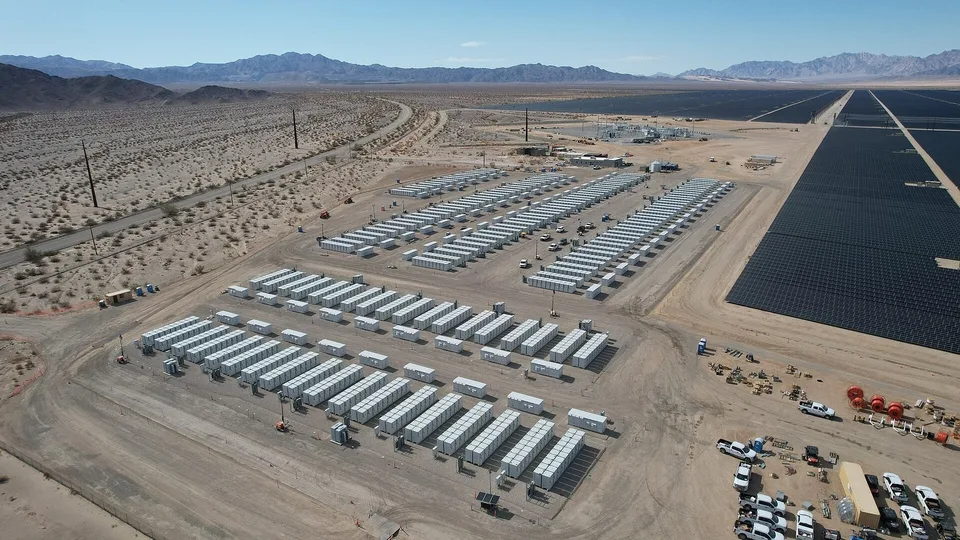
In the summer of 2026, the power grids in California and Texas met heat, air conditioning and data centers. Electricity use climbed, yet wholesale prices fell. The Solar Energy Industries Association (SEIA) links this change to the solar and battery storage added over the past five years.
The story comes from a report published by the trade outlet Renewable Energy World on October 26, 2026, and a feature in EnergyTech on October 23. Below are the numbers, the background, and finally Taiwan.
Wholesale Prices Fall 40% in Two States This Summer
SEIA compared June through August of 2026 with the same months in 2021.
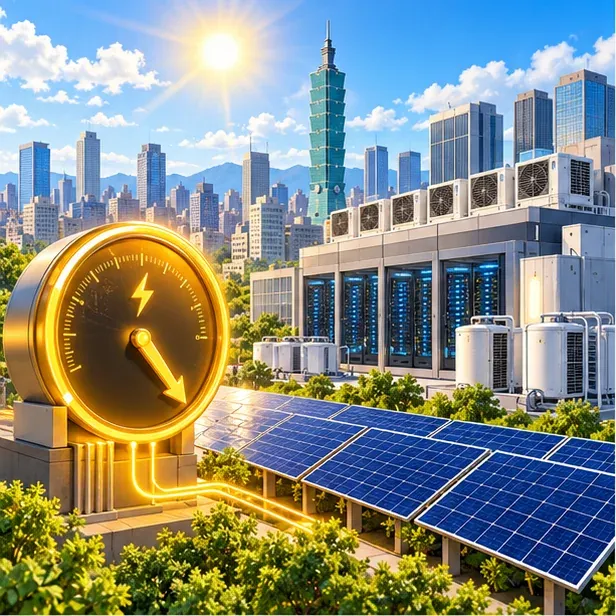
- In the California Independent System Operator (CAISO) territory, electricity use rose 2.5%. After inflation, average wholesale prices fell 40%.
- In the Electric Reliability Council of Texas (ERCOT) territory, electricity use grew 30.1%. The report ties the growth to data centers and air conditioning in the heat. After inflation, average wholesale prices fell 42%.
- SEIA estimates Texas saved $3.55 billion and California saved $2.5 billion. Together the two states saved more than $6 billion.
Installations Multiply in Five Years
From 2021 to 2026, solar generation grew 421% in Texas and 90% in California. Battery storage capacity grew even more: more than 26-fold in Texas and nearly 7-fold in California.
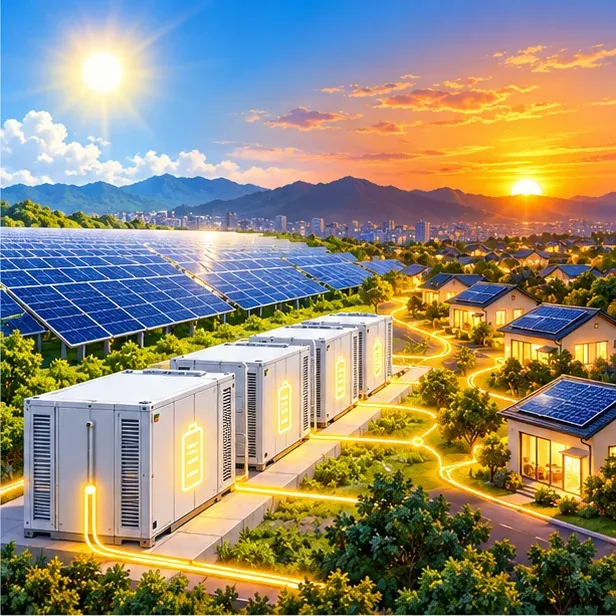
The role of batteries is specific. Solar produces a lot during the day, and batteries store the surplus. When demand rises in the evening, batteries release it.
SEIA chief executive Tim Pawlenty said that with the midterm elections approaching, affordable and reliable power is a priority across party lines.
Virtual Power Plants and Grid Investment Move Together
The report lists several projects under way at the same time.
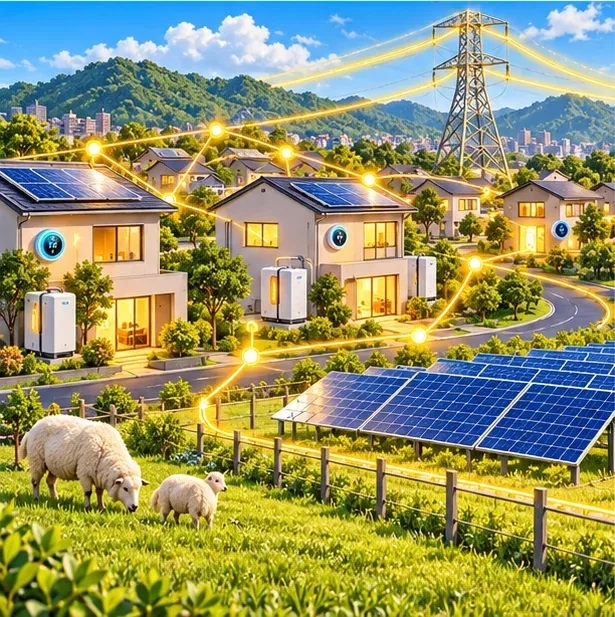
- Voltus, a virtual power plant (VPP) operator, expanded its partnership with Google. The goal is a 1 GW virtual power plant in the PJM Interconnection grid. Resources include home and business batteries, smart thermostats and adjustable industrial loads.
- Pivot Energy signed a $500 million corporate credit facility with Nuveen Energy Infrastructure Capital.
- The Midcontinent Independent System Operator (MISO) selected a development team for a transmission project with an estimated cost of about $1.23 billion.
- In Sandwich, Illinois, a 3.5 MW community solar site uses sheep to manage vegetation.
For California's virtual power plant experience, see another report on this site: California Virtual Power Plants and Demand Response Compared.
A Second Energy Wake-Up Call in Five Years
The EnergyTech feature quotes Pavel Molchanov, managing director at Raymond James & Associates. Speaking at the Power the Future conference hosted by RedChip, he said the second energy wake-up call came within five years.
- The first came in 2022, when the war in Ukraine shook energy markets.
- The second came in 2026, when the US-Iran conflict disrupted shipping lanes through the Strait of Hormuz.
He noted that the United States is the world's largest oil producer, yet oil prices still move with the global market. Natural gas prices are shaped by weather and geopolitics.
He also said that once a solar plant is built, its electricity is essentially free over the life of the asset.
Next-Generation Technologies Move at Their Own Pace
The feature also compares construction timelines for different power sources.
- Solar farms can usually be built in a few years.
- Advanced nuclear takes five years or more.
- Large reactors can take ten years.
US developer NANO Nuclear is working on the KRONOS MMR, a high-temperature gas-cooled micro reactor design planned at 15 MW per unit, aimed at sites such as data centers and industry. The report notes that the only commercial uranium conversion plant operating in the United States is Metropolis Works in Illinois.
Battery storage safety is a common question too. The Electric Power Research Institute (EPRI) reports that from 2018 to 2025, the annual failure rate of global battery storage per GWh deployed fell 98%. Details are in another report on this site: EPRI on Global Lithium-Ion Storage Failure Rates and Safety Mechanisms.
Directions Taiwan Can Draw On
Taiwan is building experience with solar and storage in several directions.
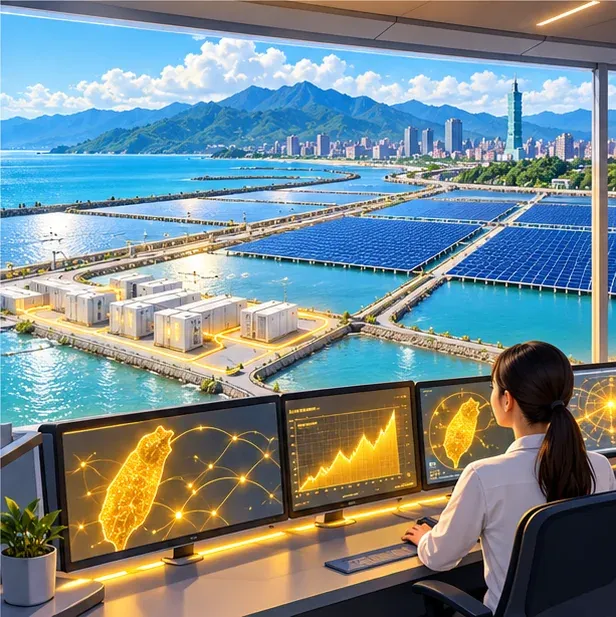
- A solid solar base. The Ministry of Economic Affairs reports cumulative solar capacity of 15.68 GW as of the end of February 2026. Rooftop systems account for 10.05 GW, over 64% of the total, and capacity has grown by about 1.05 GW a year.
- Solar-plus-storage has institutional support. The Ministry of Economic Affairs has issued the Operating Guidelines for Bidding and Capacity Allocation of Energy Storage Systems Combined with Solar Power Generation Equipment (ROC Year 111), which supports feeding stored electricity into the grid at night. Taiwan Power Company (Taipower) runs the Nanyan solar-plus-storage site on salt flats in Jiangjun and Qigu, Tainan, with a 20 MW, 20 MWh storage system.
- Businesses install behind-the-meter storage. The Ministry of Economic Affairs offers a subsidy of NT$5 million per MWh for industrial behind-the-meter storage, supporting energy storage deployment, grid resilience and equipment safety.
- An ancillary services market is running. Taipower's Electricity Trading Platform began formal operation in 2021, offering products such as dynamic regulating reserve (dReg) and enhanced dynamic regulating reserve (E-dReg).
- Policy indicators under continuing review. The ministry's National Power Resource Supply and Demand Report adds "renewable energy installed capacity" as a rolling review indicator, moving toward a more diverse renewable mix.
The California and Texas cases show different approaches to dispatching and supplying power, which allow useful comparison. Taiwan already has rooftop solar at scale, demonstration sites, subsidy programs and a trading platform. These keep building data and operating experience, laying a foundation for a more diverse power mix in the next stage.
Leave a comment
Comments are reviewed before publication. Email is private and used only when contact is necessary. Privacy notice