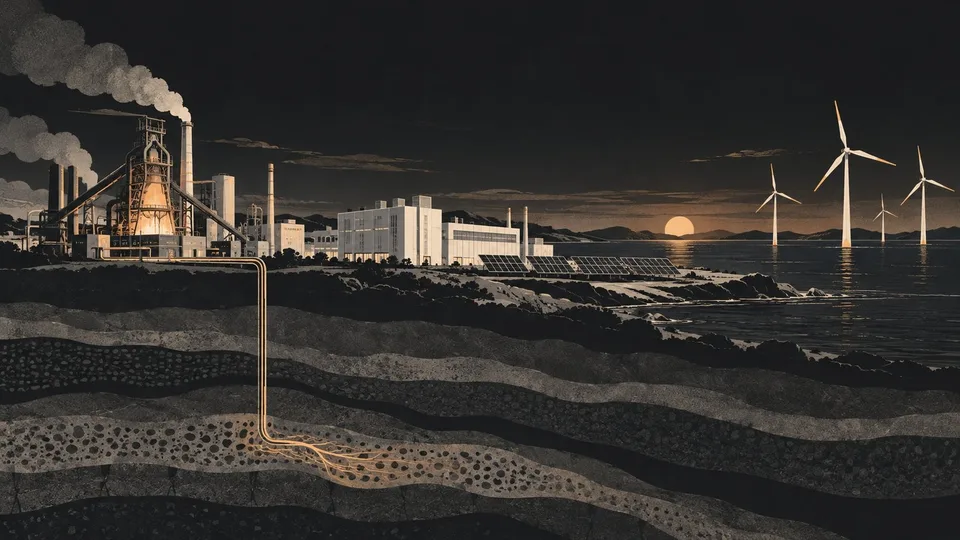
On 7 October the South Korean government held a national briefing on its Korea-Green Transformation (K-GX) Strategy at the Korea Chamber of Commerce and Industry (KCCI) in Seoul, attended by President Lee Jae Myung. The strategy covers 2026 to 2035 and provides KRW 1,000 trillion over ten years, aiming to reach carbon neutrality and economic growth at the same time. It was drafted by a public-private task force of 13 government bodies, including the Ministry of Finance and Economy and the Ministry of Climate, Energy and Environment, together with business groups such as the KCCI and major industry associations.
The strategy has three directions: green transformation as a new growth engine, a transition that brings every region and group along, and government seed funding with stable policies to draw in private investment.
Where the KRW 1,000 trillion comes from
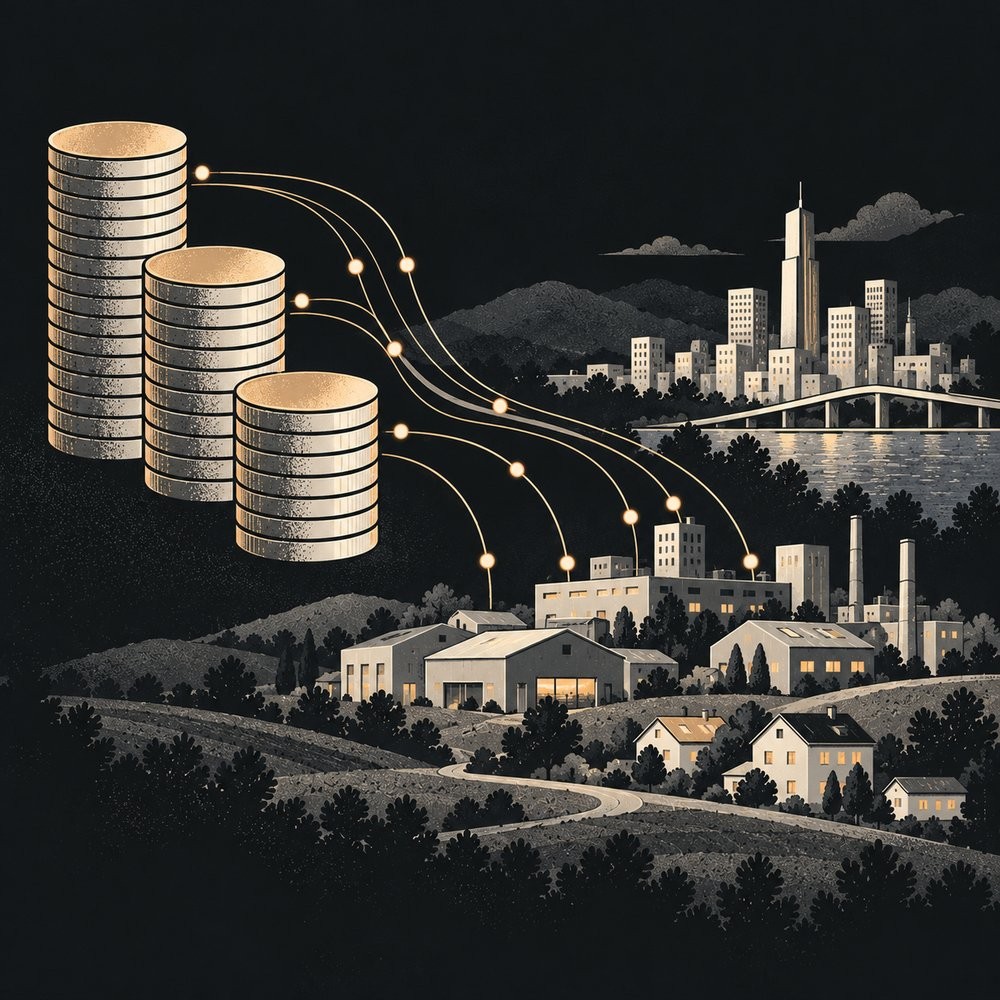
According to the ministry's press release, the KRW 1,000 trillion consists of KRW 200 trillion in fiscal resources and more than KRW 790 trillion in climate finance. The climate finance comes from five policy finance institutions: the Korea Development Bank, the Industrial Bank of Korea, the Export-Import Bank of Korea, the Korea Credit Guarantee Fund and the Korea Technology Finance Corporation. More than 50% is to go to regional areas and more than 70% to small, medium-sized and mid-sized companies.
Other funding tools include:
- A much larger Climate Response Fund, and a framework and detailed rules for green government bonds by the first half of 2027.
- Full-scale transition finance to help high-emitting industries change.
- Domestic production tax credits for key components and equipment for solar, wind and secondary batteries, and a push to designate small modular reactors (SMRs) as national strategic technologies.
- KRW 220 trillion in private investment announced for K-GX Signature Projects, including Hanwha Qcells' perovskite tandem solar cells, POSCO Holdings' decarbonised steel ecosystem, and green homes by LG Electronics and Samsung Electronics.
Korea.net reported that President Lee accepted an industry proposal at the meeting and asked ministries to consider a hybrid of tax credits and direct subsidies, so that companies still running early-stage losses can benefit.
Five heavy-emitting industries move to low-carbon processes
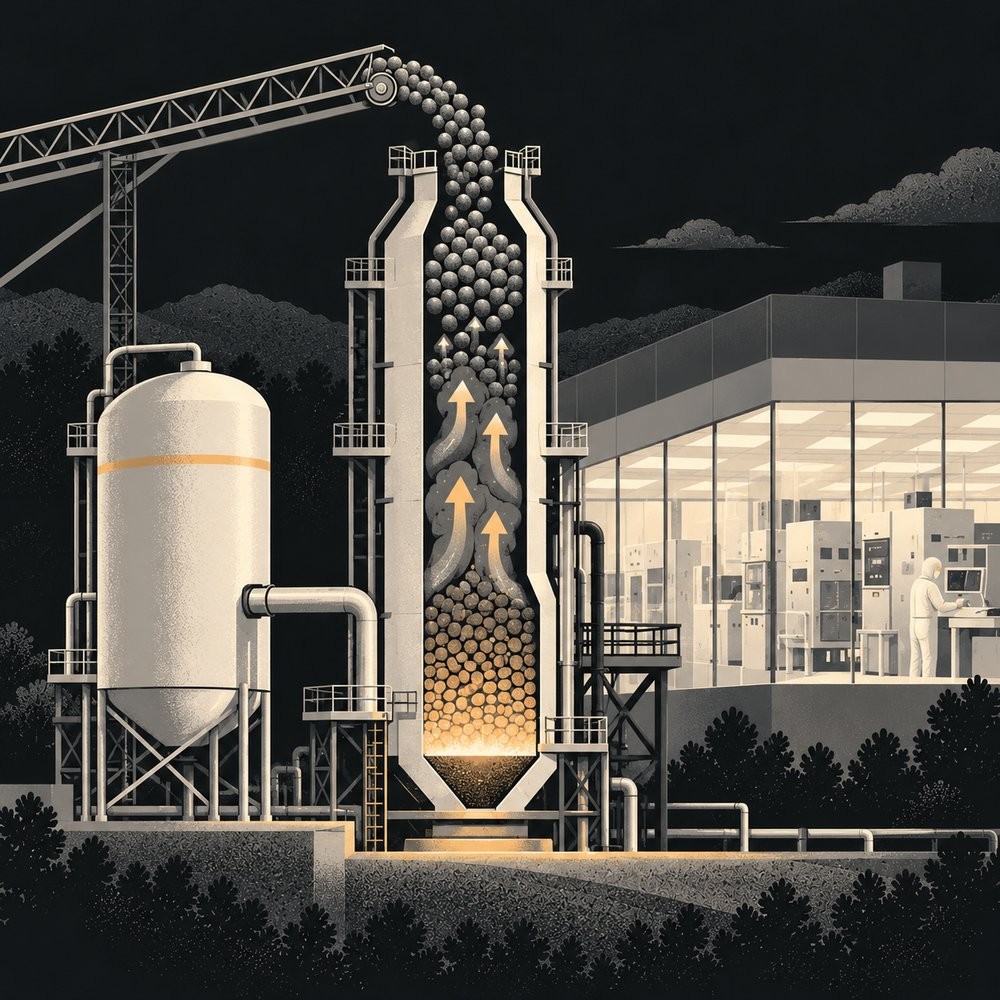
The strategy names Korea's five largest greenhouse gas emitting industries: steel, petrochemicals, cement, semiconductors and displays, and refining. Their key processes are to shift to low-carbon processes, with more use of eco-friendly fuels and raw materials.
- Steel: a 300,000-tonne-scale hydrogen-reduced ironmaking demonstration by 2030, with the goal of becoming the first country to mass-produce hydrogen-reduced steel. The government will support hydrogen production facilities and corporate investment and develop measures for a stable supply of affordable electricity.
- Petrochemicals and refining: electric naphtha cracking centre (NCC) technologies and more eco-friendly fuels.
- Cement: low-carbon technologies such as multi-component blended cement.
- Semiconductors and displays: technologies to replace major process gases with low global warming potential (GWP) alternatives.
Renewables, the grid and transport
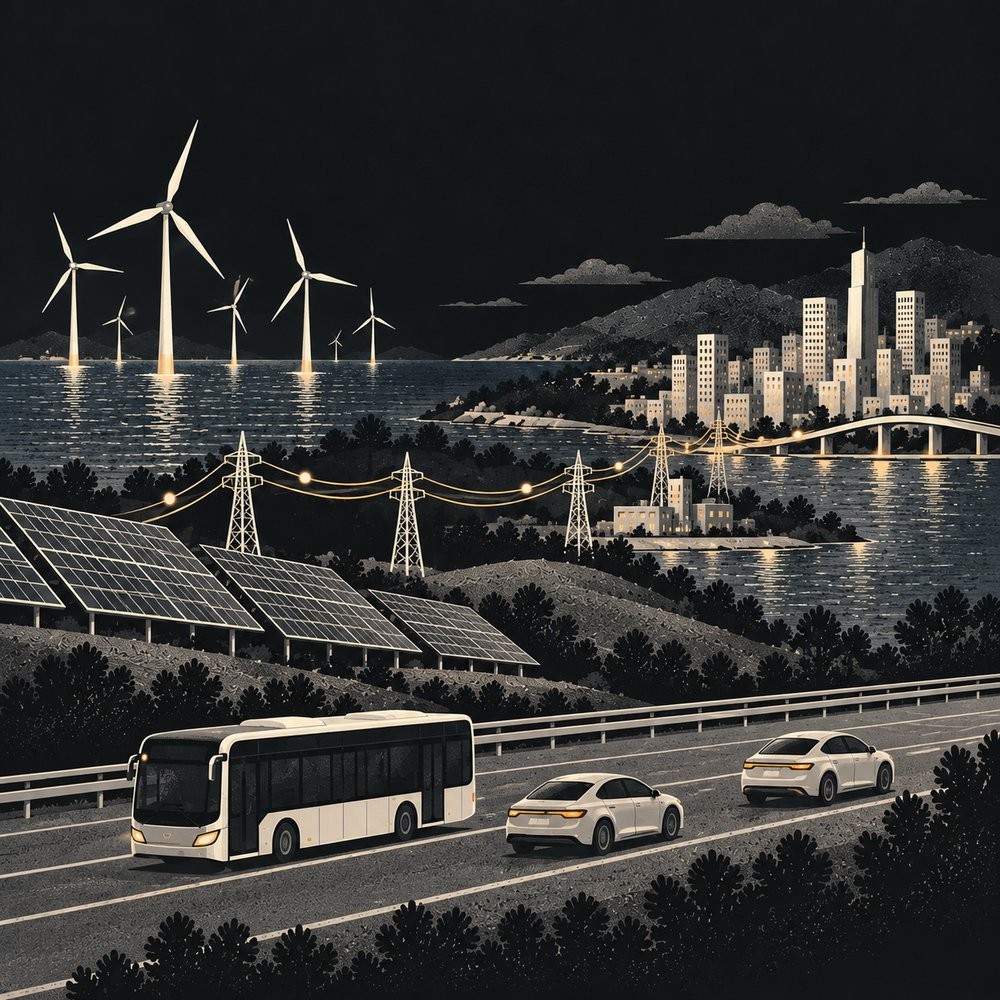
Korea aims for 100 GW of renewable capacity by 2030, mapping suitable solar and wind sites and working on measures to lower generation costs. By 2030, existing power lines will be upgraded to higher-capacity lines, and a direct-current transmission and distribution industry will be developed to carry power from renewable energy complexes straight to demand centres.
In transport, electric or hydrogen vehicles are to make up more than 70% of new cars by 2035. EV subsidies will be reformed to reflect regional renewable energy production, and railways, buses, two-wheelers, construction equipment, ports and ships are all to be electrified. Jeju aims for all new vehicles on the island to be electric by 2035.
CCUS joins ten flagship green industries
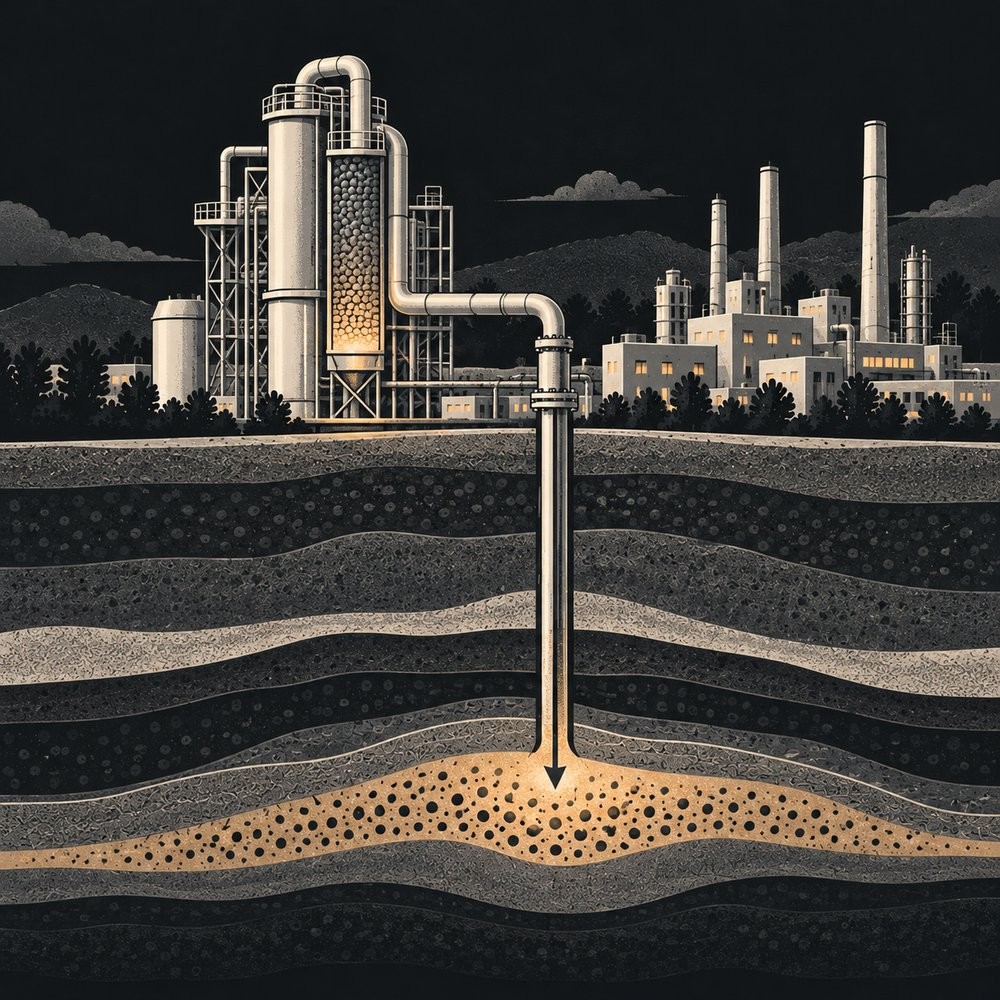
The strategy picks ten green industries for intensive support: electric vehicles, batteries, solar, wind, SMRs, power equipment, power semiconductors, heat pumps, hydrogen, and carbon capture, utilisation and storage (CCUS). The government will set technology development and commercialisation targets for each and offer support such as domestic production tax credits. The press release does not give a separate investment figure for CCUS.
Other measures include:
- Package support of up to KRW 10 billion for promising climate tech start-ups.
- "Just Transition Special Zones" to be designated by the end of the year, with vocational training and other support, and legislation alongside the "2040 Coal Power Transition Roadmap" for workers at coal plants scheduled to close.
- A public-private K-GX consultative body headed by the Deputy Prime Minister to monitor tasks and keep revising the strategy.
Taiwan's net-zero strategies and spending
On 30 March 2022 Taiwan's National Development Council (NDC) published Taiwan's Pathway to Net-Zero Emissions in 2050, with 12 key strategies: wind and solar, hydrogen, forward-looking energy, power systems and storage, energy saving, carbon capture, utilisation and storage, electric and zero-carbon vehicles, resource recycling and zero waste, natural carbon sinks, net-zero green living, green finance, and just transition. The Executive Yuan approved the action plans in April 2023.
The NDC says about NT$900 billion in government budget is expected to be spent by 2030, drawing more than NT$4 trillion in private investment between 2023 and 2030. Korea's KRW 1,000 trillion runs to 2035 and includes policy finance, so the two figures cover different periods and scopes and should not be compared directly.
The two economies have similar heavy-emitting industries. According to Taiwan's Ministry of Economic Affairs (MOEA), the manufacturing sector emitted about 147.6 million tonnes of CO₂ equivalent in 2022, about 52% of the national total; electronics, petrochemicals and steel together made up 65.4% of manufacturing emissions. The MOEA's process improvement strategy also lists fluorinated gas substitution, hydrogen injection into blast furnaces and hydrogen direct reduced iron. The approach differs: China Steel's decarbonisation flagship action plan (2025–2035), approved by the Executive Yuan, includes measures such as low-carbon feedstock in blast furnaces and hydrogen-rich gas injection, with carbon capture and storage (CCS) planned for 2035 once key conditions are met. Korea has set a 300,000-tonne-scale hydrogen-reduced ironmaking demonstration for 2030.
In Taiwan, CCUS is the sixth of the 12 key strategies. The National Science and Technology Council, the MOEA and the Ministry of Environment (formerly the Environmental Protection Administration) handle research, demonstration and regulation, with about NT$2.89 billion requested for 2023–2024. The 2050 pathway puts thermal power with CCUS at about 20% to 27% of the power mix. We have covered Taiwan's carbon capture and storage experiments and cross-border CO₂ transport demand from Japan, South Korea, Singapore and Taiwan.
Possible directions for Taiwan
- Set demonstration scales and target years for industrial decarbonisation technologies: Korea wrote hydrogen-reduced ironmaking as "300,000 tonnes by 2030". Taiwan could set trackable demonstration targets for steel and for process gas substitution in chipmaking.
- Explain funding after 2030: Korea puts fiscal money, policy finance and green bonds in one framework and sets shares for regions and smaller companies. Taiwan's NT$900 billion budget runs to 2030, and plans for the years after could be published early.
- Extend CCUS from research and demonstration to industrial policy: Korea lists CCUS alongside batteries and solar as a flagship industry with domestic production tax credits. The conditions listed in China Steel's plan, namely storage sites, transport pipelines, regulations and methods to verify reductions, need to be in place first.
- Plan decarbonisation costs together with green power: Korea treats affordable electricity as part of the hydrogen steel plan. Taiwan's chipmakers are looking for stable green power, such as a geothermal power deal, and the Ministry of Environment announced the carbon fee regulations in August 2024 (see Taiwan ETS and Carbon Fee: Dual Track).
Sources
- Ministry of Climate, Energy and Environment (Korea), "Beyond Carbon Reduction to a New Growth Engine: Government Launches K-GX with KRW 1,000 Trillion in Investment", 2026-10-07: https://mcee.go.kr/eng/web/board/read.do?boardId=1898390&boardMasterId=522&menuId=461
- Korea.net, "Massive initiative to invest KRW 1,000T in eco-friendly sectors", 2026-10-08: https://www.korea.net/NewsFocus/policies/view?articleId=300733
- National Development Council (Taiwan), press release on the 12 key strategy action plans, 2022-12-28 (Chinese): https://www.ndc.gov.tw/nc_27_36501
- National Development Council (Taiwan), press release on the net-zero budget, 2024-06-05 (Chinese): https://www.ndc.gov.tw/nc_27_38201
- Ministry of Economic Affairs (Taiwan), 2050 Net Zero: manufacturing sector pathway (Chinese): https://www.go-moea.tw/carbonReduceZeroPath/manufacture
- Executive Yuan (Taiwan), China Steel decarbonisation flagship action plan (Chinese): https://www.ey.gov.tw/File/5BD04BC1DF96EE15?A=C
- NSTC, MOEA and EPA (Taiwan), CCUS key strategy action plan, 2023-04 (Chinese): https://www.ey.gov.tw/File/EF63415FAC210FF2?A=C
- CNA, NDC unveils 12 net-zero strategies, 2022-03-30 (Chinese): https://netzero.cna.com.tw/news/202203300194/
Leave a comment
Comments are reviewed before publication. Email is private and used only when contact is necessary. Privacy notice