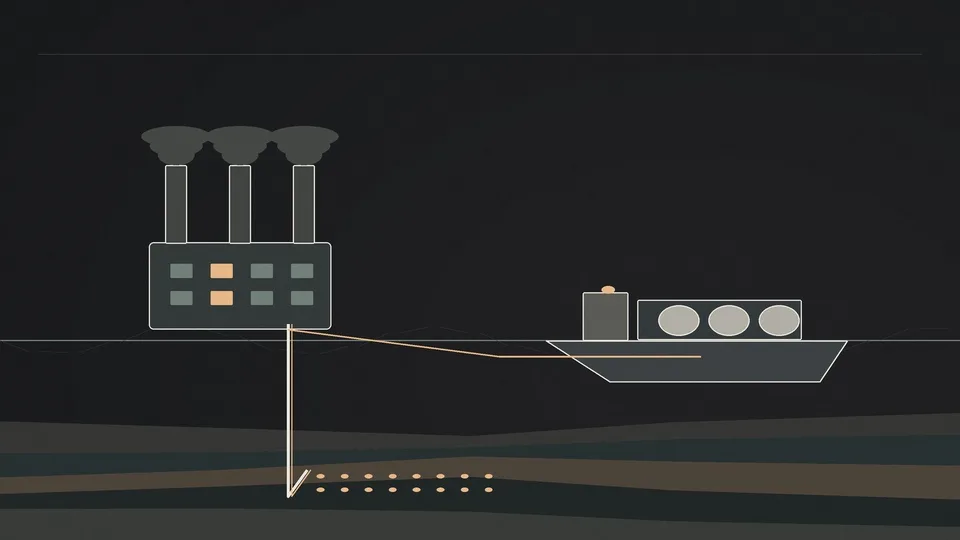
On 16 October the Swedish Energy Agency (Energimyndigheten) announced the result of the second reverse auction under the government's bio-CCS support scheme. Renova, SYSAV and Öresundskraft were granted a total of SEK 9.3 billion to capture and permanently store biogenic carbon dioxide (CO₂). Together the three companies plan to store 5.75 million tonnes of biogenic CO₂ over the support period.
Sweden aims to reach net-zero emissions by 2045 and negative emissions after that. The agency describes bio-CCS as a complementary measure alongside emission cuts.
Three waste-to-energy operators share SEK 9.3 billion
The second call closed on 13 August 2026. Three companies applied and all three received support. The agency said the funded projects met every requirement of the call and had viable plans for capture, transport and geological storage.
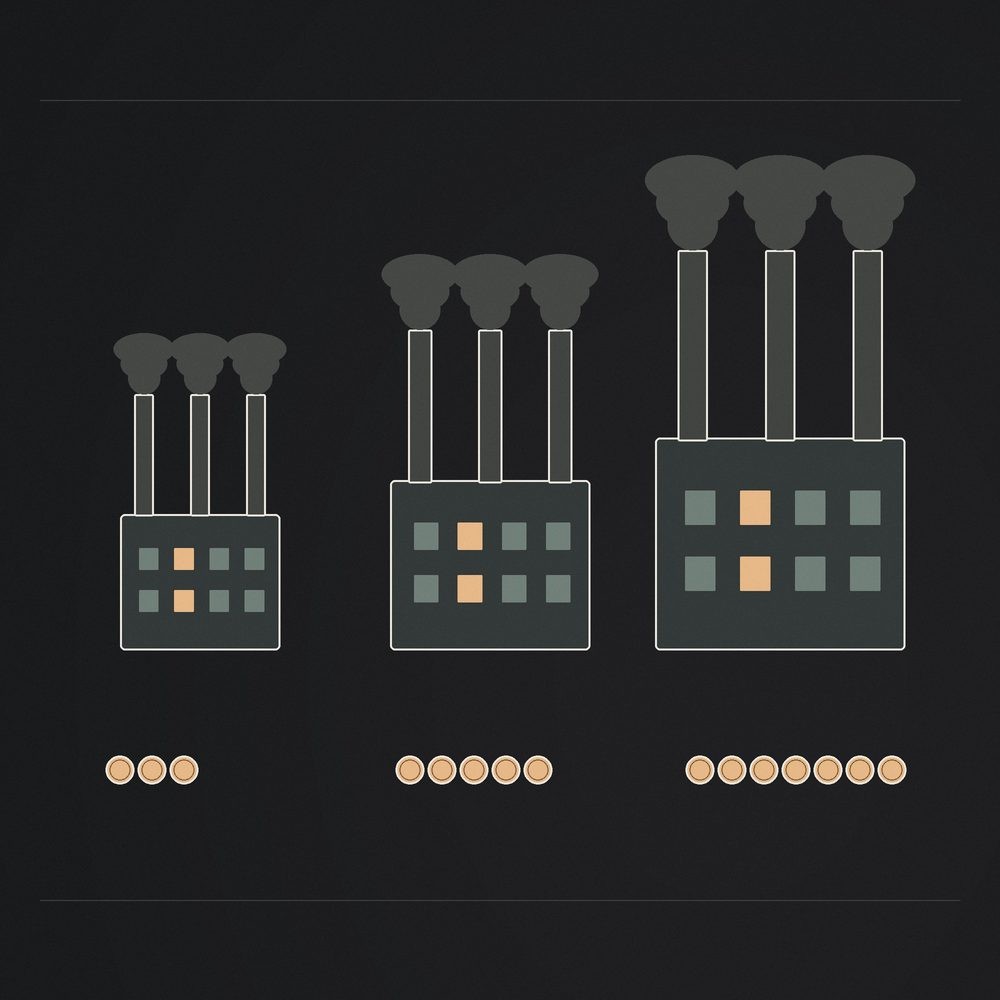
According to Energi, the magazine of the Swedish energy industry association, the awards and planned storage volumes are:
- SYSAV: just under SEK 6.3 billion, planning to store 3.6 million tonnes of biogenic CO₂.
- Renova: just under SEK 1.6 billion, planning to store 890,000 tonnes.
- Öresundskraft: just over SEK 1.4 billion, planning to store 1.26 million tonnes.
Dividing SEK 9.3 billion by 5.75 million tonnes gives an average of about SEK 1,600 per tonne of biogenic CO₂ in this round (our calculation). Energi also notes that only Öresundskraft has taken a final investment decision so far.
Reverse auction and payment as storage proceeds
Support is allocated by reverse auction: applicants compete on the support they need per tonne of CO₂, and the lower the bid, the better the chance of winning. Carl Mikael Strauss, head of unit at the agency, said the reverse auction directs public funding to the projects with the greatest climate benefit.
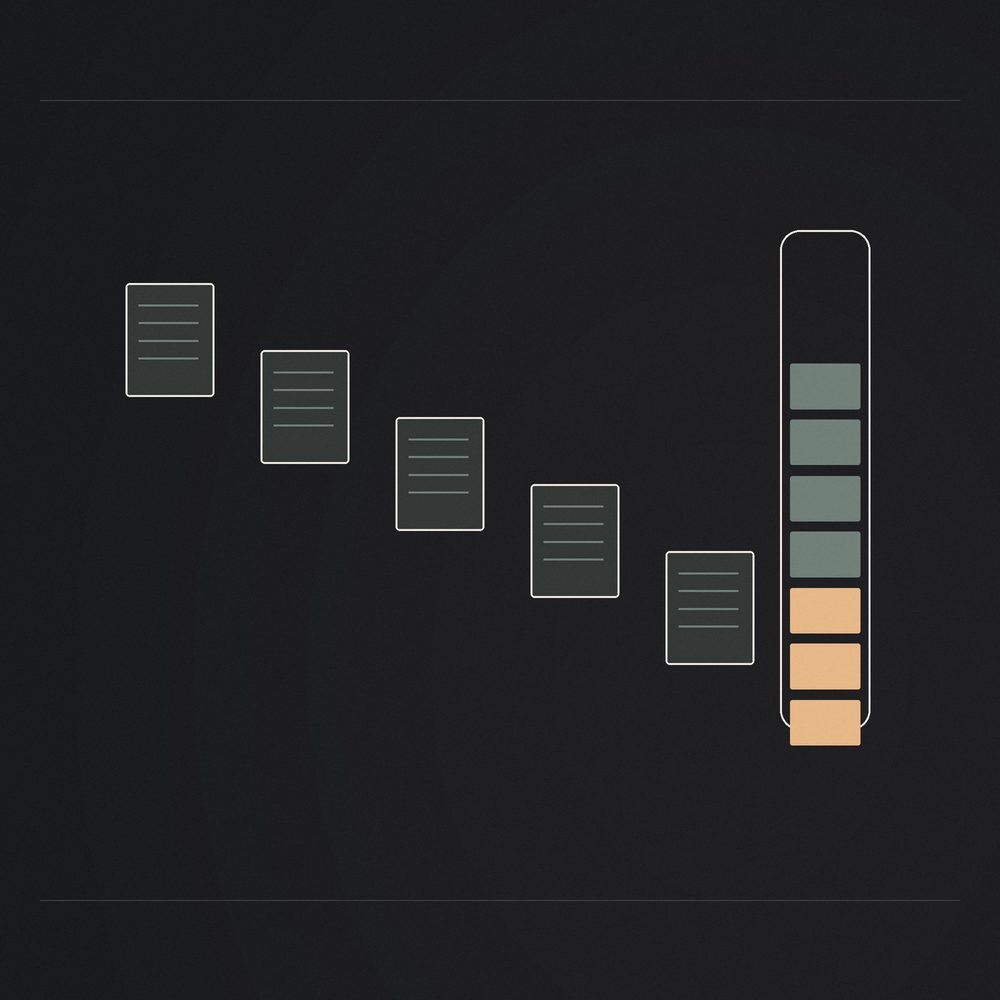
The payment rules have three parts:
- The three companies must begin geological storage no later than four years after the funding decision.
- Payments are made throughout the support period as geological storage gets under way; Energi reports a support period of 15 years.
- The money can cover both capital investment and operating costs.
Stockholm Exergi in round one, and the remaining budget
The agency has been tasked by the government since 2021 with designing the scheme, which was approved in 2024. The government has allocated SEK 30.7 billion to it through 2046.
In January 2025 the first round awarded Stockholm Exergi SEK 20 billion; the company plans to store more than 11 million tonnes of CO₂ over the support period. With the second round, about SEK 29.3 billion of the SEK 30.7 billion envelope has been allocated. The agency will follow up on implementation and draw lessons from both rounds.
Waste incinerators capture biogenic and fossil CO₂ together
Bio-CCS captures CO₂ of biogenic origin, from biomass such as forest feedstock, at industrial processes or energy plants, then transports it and stores it permanently in geological formations. Because the carbon was originally taken from the atmosphere by the biomass, storing it can produce negative emissions.
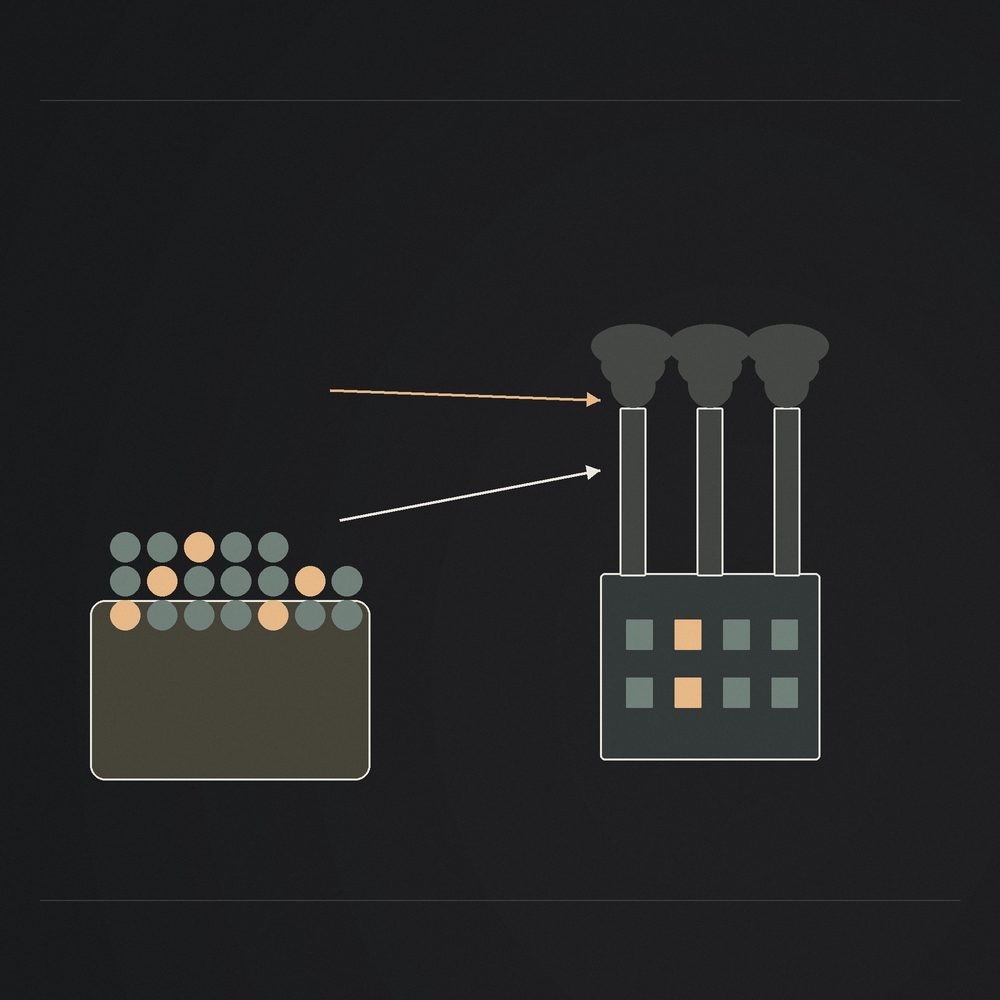
All three companies in this round are municipally owned and run waste-to-energy plants. Energi reports that the plants emit both biogenic and fossil CO₂, and for every tonne of biogenic CO₂ captured and stored, roughly one tonne of fossil CO₂ is captured as well, partly from plastics in residual waste. The three facilities can capture 750,000 tonnes of CO₂ a year in total, of which about 380,000 tonnes is biogenic. The 5.75 million tonnes announced by the agency is the planned biogenic volume over the support period.
The site has covered the buyer side of carbon removal, such as Frontier's first in-situ mineralization purchase, and EU public funding for pre-commercial CCS testing.
Emissions and carbon capture plans at Taiwan's incinerators
According to the Ministry of Environment's Environmental Management Administration, Taiwan has 25 large municipal waste incinerators that treat about 6.5 million tonnes of waste a year and generate about 3.3 billion kWh of electricity. The Executive Yuan's approved flagship action plan for resource circulation says emissions from the 25 incinerators in 2023 were calculated from the non-biogenic carbon share of the waste, at about 2.66 to 4 million tonnes of CO₂ equivalent.
The same plan includes carbon capture at incinerators:
- A trial at TSMC in 2024–2025, followed by a trial at one selected incinerator in 2026.
- About a quarter of the plants, around six, are judged to have enough space for capture equipment, with an estimated capture of about 17,000 tonnes per plant per year.
In November 2024 the ministry signed a carbon capture memorandum of understanding with TSMC that covers developing a greenhouse gas reduction methodology and liquefying captured CO₂ for transport to users or storage sites. The ministry also noted at the time that public incinerators are not yet subject to Taiwan's carbon fee.
On the storage side, the site's note on Taiwan's carbon capture and storage experiments describes the Taipower Taichung and CPC Tiechenshan test sites, and the EU pre-commercial CCS article compares their design storage volumes.
Possible directions for Taiwan
- Settle the biogenic share and how it is counted: Sweden's support pays only for stored biogenic CO₂, while Taiwan's incinerator inventories count only non-biogenic carbon. How stored biogenic CO₂ from incinerators would count as negative emissions can be set in the reduction methodology the ministry is planning.
- Tie support to tonnes actually stored: Sweden runs a per-tonne auction and pays only once storage has begun, so public money follows stored volumes. Any Taiwanese support for incinerator capture could use the same pay-for-results approach.
- Plan capture and storage together: Sweden requires winners to start geological storage within four years. Taiwan's six candidate incinerators would each capture about 17,000 tonnes a year, which needs a storage site or user to take it, so storage capacity and transport should be assessed alongside the incinerator trial.
- Clarify how support and voluntary purchases interact: Besides public support, companies such as Frontier buy carbon removal directly. If stored biogenic CO₂ from an incinerator receives support and is also sold as removal credits, rules to prevent double counting should be in place first.
Sources
- Swedish Energy Agency, "Swedish Energy Agency grants SEK 9.3 billion to store 5.75 million tonnes of biogenic carbon dioxide", 2026-10-16: https://www.energimyndigheten.se/en/news/2026/swedish-energy-agency-grants-sek-9.3-billion-to-store-5.75-million-tonnes-of-biogenic-carbon-dioxide/
- Swedish Energy Agency, Swedish-language press release via TT, 2026-10-16 10:01 CEST: https://via.tt.se/pressmeddelande/4599762/energimyndigheten-beviljar-93-miljarder-kronor-i-bio-ccs-stod-for-att-lagra-575-miljoner-ton-koldioxid?lang=sv&publisherId=3236218
- Energi (Energiföretagen Sverige), "Tre bolag får dela på 9,3 miljarder för bio-CCS", 2026-10-16: https://www.energi.se/artiklar/2026/oktober-2026/tre-bolag-far-dela-pa-93-miljarder-for-bio-ccs/
- Environmental Management Administration (Taiwan), incinerator operations: https://www.ema.gov.tw/affairs/general-waste/waste-incineration-plant/295.html
- Executive Yuan, flagship action plan for resource circulation and carbon reduction (approved version): https://www.ey.gov.tw/File/A6EE96C8CF228632?A=C
- Ministry of Environment (Taiwan), MOU with TSMC on carbon capture: https://enews.moenv.gov.tw/moenv-news/zh-tw/News/2706
Leave a comment
Comments are reviewed before publication. Email is private and used only when contact is necessary. Privacy notice