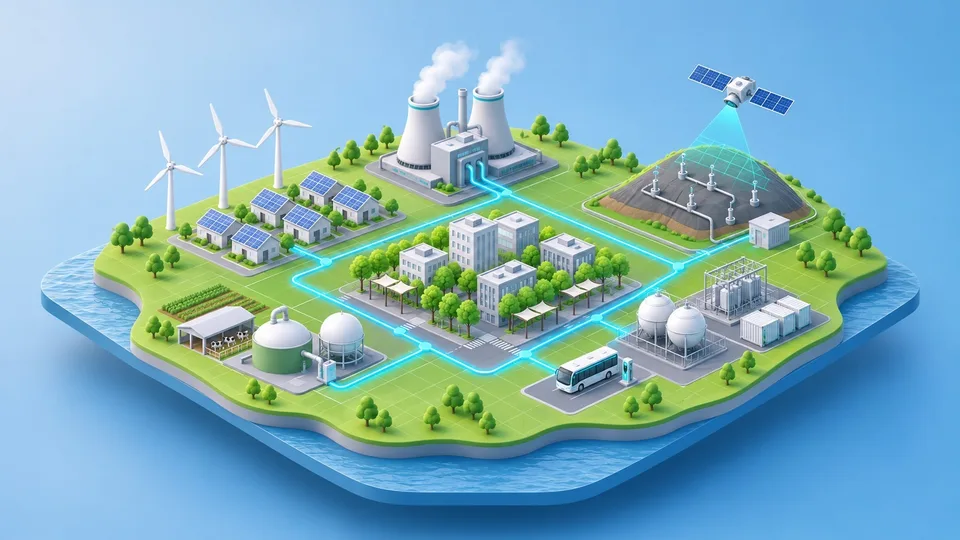
The 31st UN Climate Change Conference (COP31) opened on 9 November 2026 in Antalya, Türkiye, and runs to 20 November. Türkiye holds the presidency and Australia leads the negotiations (UNFCCC COP31). The presidency set a target of raising electricity's share of final energy demand to 35% by 2035. This article follows three themes made public around the opening: electrification and geothermal, methane reduction, and heat and health. Each is set beside Taiwan's published progress, and the article closes with Taiwan's Ministry of Environment response to COP31.
Electrification and Geothermal: 35-by-35, 12x Geothermal, 300 Million Solar Homes
International facts
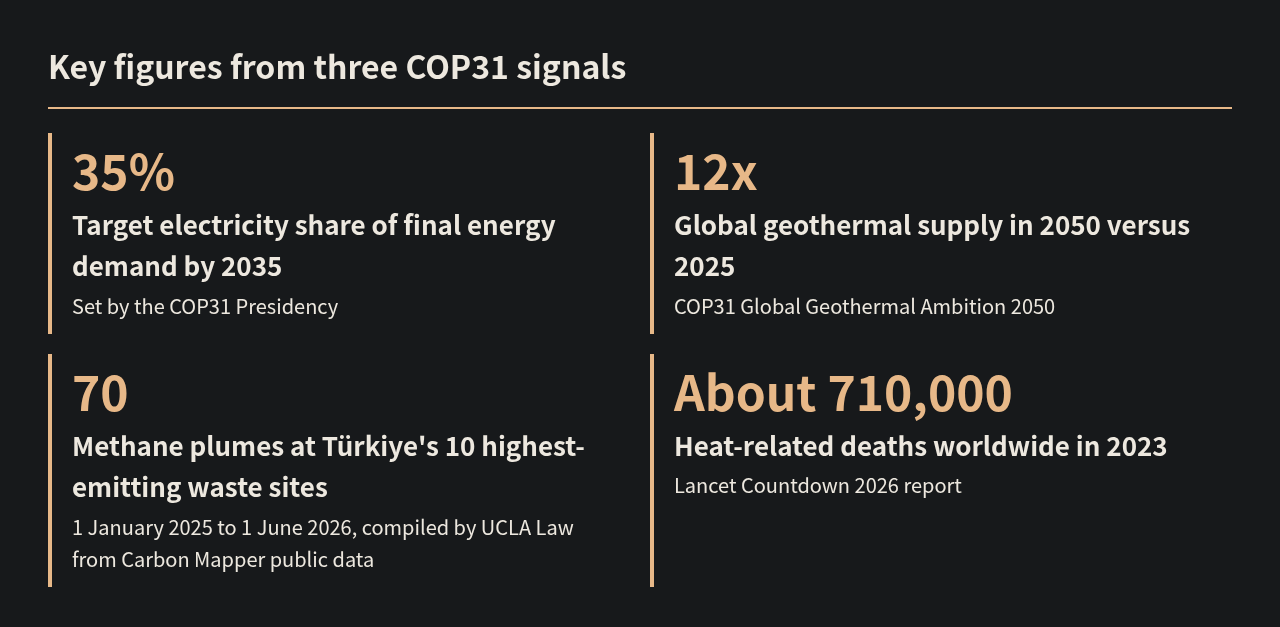
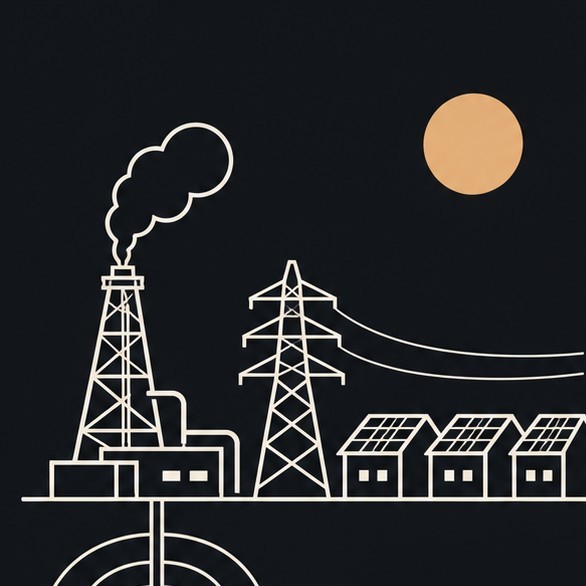
- Electrification target: On 9 June 2026 in Bonn, the COP31 presidency published an action-agenda target to raise electricity's share of final energy demand from slightly above 20% today to 35% by 2035, and asked the International Energy Agency (IEA) to analyse pathways (UNFCCC announcement, COP31 announcement). The presidency formally launched the "35-by-35" pledge at New York Climate Week on 21 September 2026 (COP31 presidency). On opening day, Australian Minister for Climate Change and Energy Chris Bowen said electricity currently supplies about one-fifth of global final energy consumption (United Daily News).
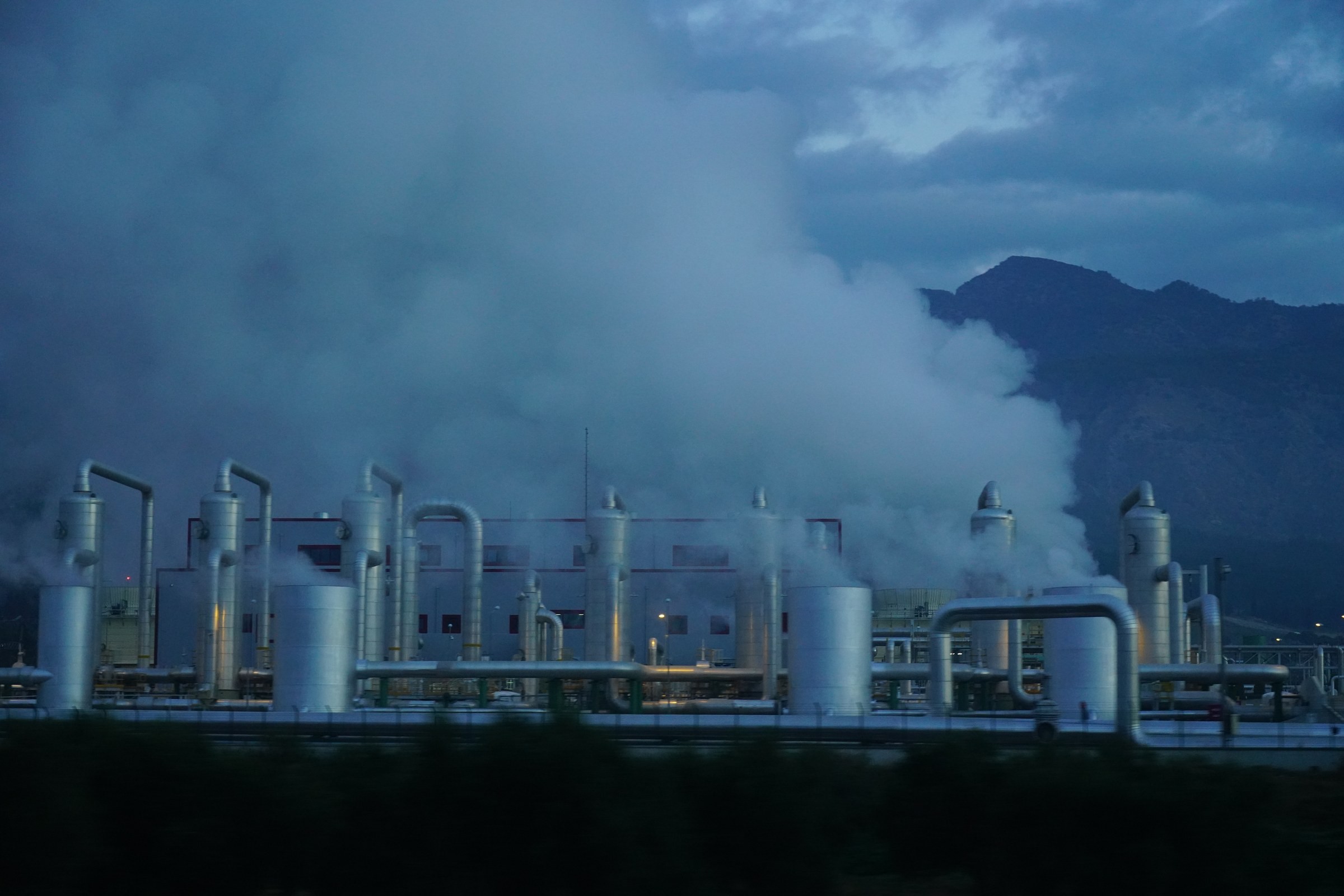
- 12x geothermal: The Turkish presidency and the International Renewable Energy Agency (IRENA) were due to launch the "COP31 Global Geothermal Ambition 2050" on 10 November 2026, aiming for global geothermal supply in 2050 to reach 12 times the 2025 level (COP31 clean energy transition, ThinkGeoEnergy). Türkiye itself had 1,797 MW of installed geothermal power capacity at the end of 2025, fourth in the world and first in Europe (ThinkGeoEnergy year-end 2025 ranking).
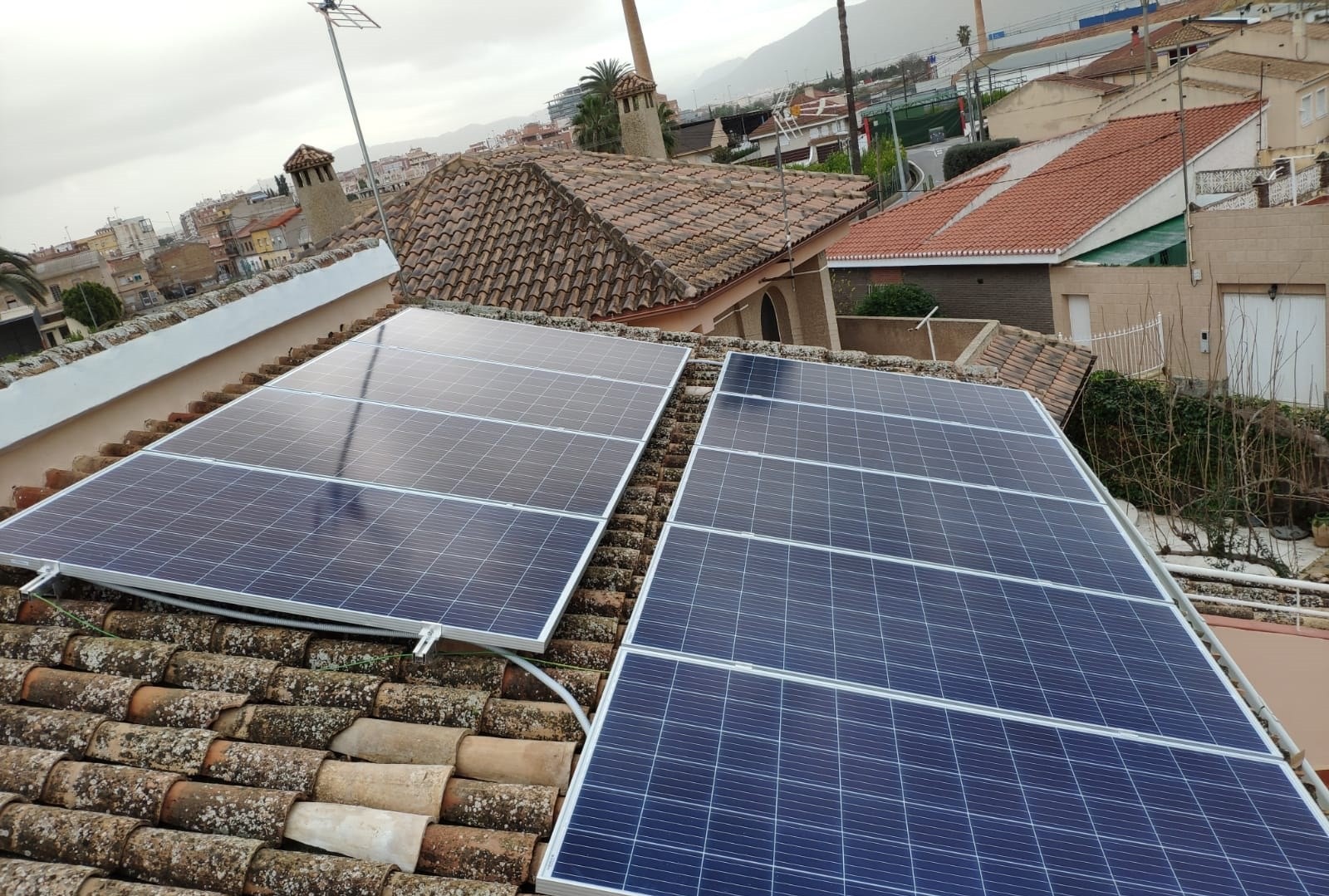
- 300 million solar homes: On 8 October 2026 at the Pacific pre-COP in Fiji, Bowen endorsed the Global Rooftop Solar Declaration, making Australia its first supporting country. The declaration aims to double the number of homes with rooftop solar worldwide from about 150 million to 300 million by 2030; more than 40% of Australian homes already have rooftop solar (Global Solar Council).
What Taiwan is doing
- Electrification share: In its 9 November 2026 press release, the Ministry of Environment gave Taiwan's electrification share as 34.8%. This is the ministry's figure, and its definition may differ from the global COP31 indicator (Ministry of Environment press release, in Chinese). For cost and energy-security aspects of electrification, see our IEA electrification analysis.
- Geothermal projects: According to the Energy Administration, completed geothermal projects in Taiwan total 14.02 MW and projects under development total 8.65 MW, concentrated in Qingshui and Renze in Yilan and Jinlun and Hongye in Taitung, mostly shallow geothermal. The 2025 national electricity supply-demand report plans 0.2 GW by 2030 and 0.45 GW by 2035 (CNA, 3 September 2026, in Chinese). For geothermal power purchase agreements with semiconductor makers, see our geothermal PPA report.
- Deep geothermal exploration: CPC's Dongshan No. 1 exploration well in Yilan was spudded on 21 October 2025 and completed on 21 April 2026 at a depth of 3,361 m, with a formation temperature of 200°C. The plan has two phases and 10 wells in total, starting with 2 confirmation wells due around the end of 2028, after which the feasibility of a power plant will be assessed. The Energy Administration is also pushing a directional-drilling amendment under which landowners cannot block drilling when a geothermal well goes deeper than 300 m; the Executive Yuan has finished discussing the authorisation and will send the amendment to the Legislative Yuan (CNA, 3 September 2026, in Chinese).
Methane: Türkiye's Landfills Draw Satellite Attention
International facts
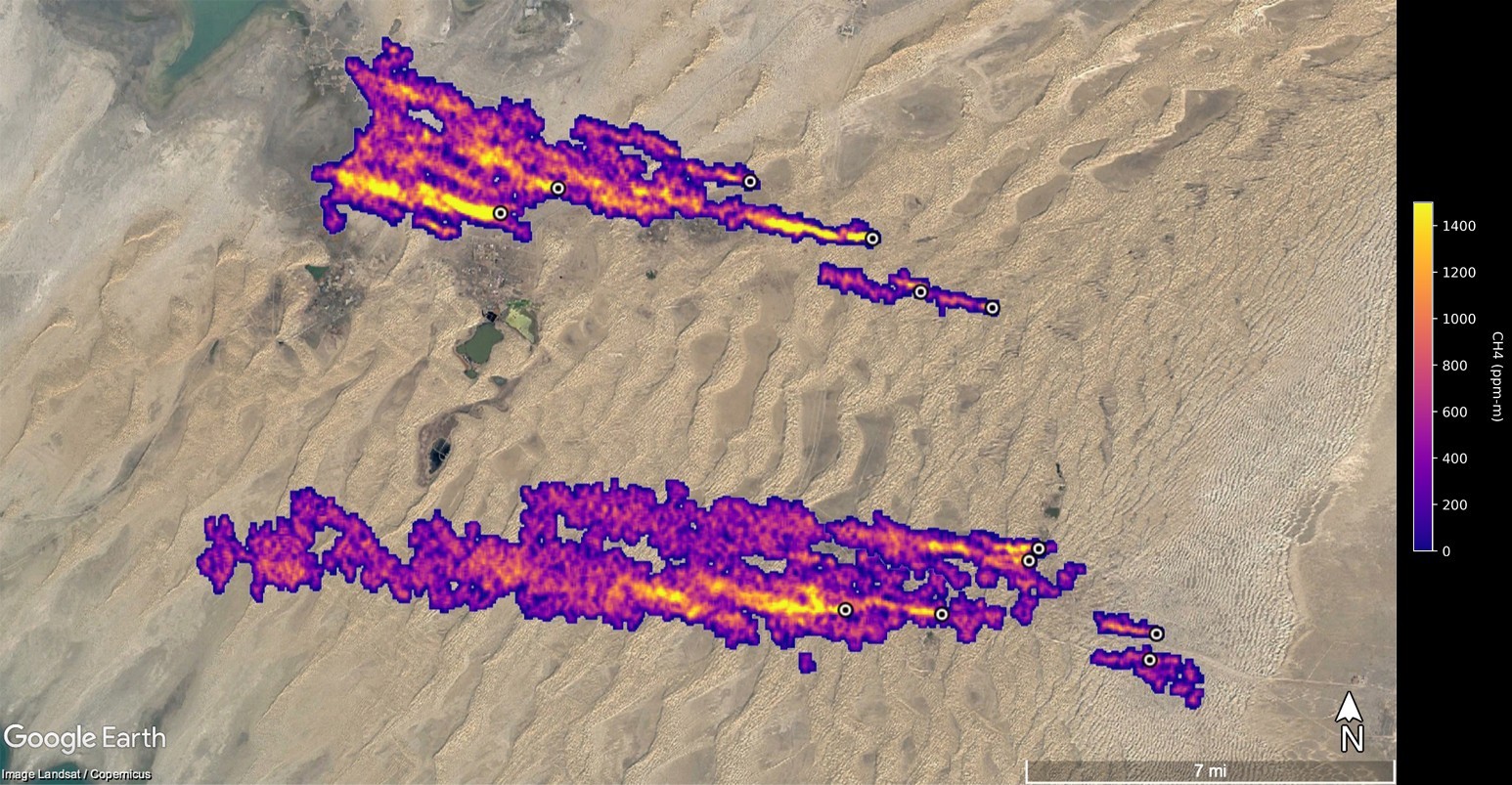
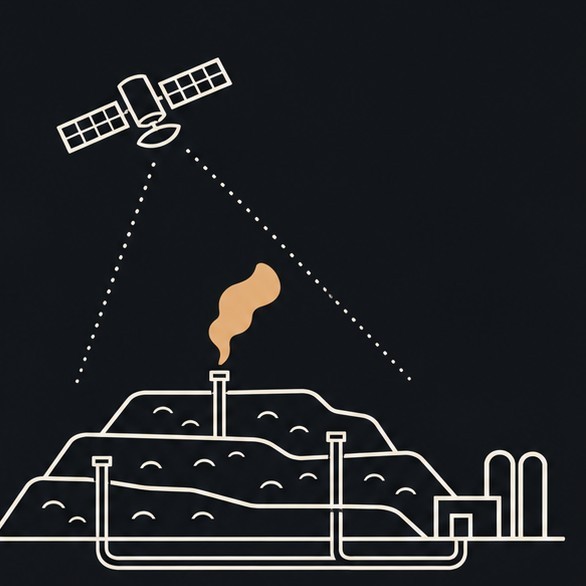
- Turkish landfills: UCLA School of Law compiled Carbon Mapper public data (observation period 1 January 2025 to 1 June 2026, sites with at least two observations). The 10 highest-emitting waste sites in Türkiye showed 70 methane plumes in total, with average emission rates from 841 kg per hour to about 7.4 tonnes. These are satellite detections for a specific period and do not represent national annual emissions (UCLA Law). The COP31 Global Climate Action Agenda lists "Zero Waste" as its first priority theme, with waste-sector methane among the core issues (UNFCCC Global Climate Action). A Reuters report republished by Al-Monitor quoted a response from Türkiye's environment ministry that satellite data are not continuous measurements and cannot be used to estimate annual emissions at Istanbul's Seymen landfill (Al-Monitor).
- Global Methane Pledge: The pledge aims for a collective cut of at least 30% in global anthropogenic methane emissions by 2030 from 2020 levels. It is a collective goal of all participants (Global Methane Pledge text).
- Tanager-2 satellite: Tanager-2, from Carbon Mapper and Planet Labs, launched on 1 October 2026 from Vandenberg Space Force Base. On 7 October it detected a large methane plume off the Spanish coast, on 8 October its first carbon dioxide (CO₂) plume in Indonesia, and on 9 October a large persistent methane plume at an oil and gas facility in Turkmenistan. Tanager-1 on 10 October and Tanager-2 on 12 October both imaged the same emission source in the US Permian Basin. When the article was published, the Carbon Mapper public database held more than 15,200 methane plumes and 5,400 emission sources; Tanager-2 was still in commissioning and was expected to deliver data routinely within months (Carbon Mapper).
What Taiwan is doing
- Biogas bioenergy alliance: On 9 June 2026 the Ministry of Environment launched the Biogas Bioenergy Resource Industry Alliance, covering agricultural residues, high-strength organic wastewater, livestock manure, sludge and food waste. As of 2025 Taiwan had about 50 existing facilities with a potential utilisation rate of 6%; the target for 2050 is 100 facilities and a 50% utilisation rate. Full reuse could cut up to 1.167 million tonnes of emissions a year. On 20 May 2026 the ministry submitted a "Biogas Bioenergy Flagship Plan" to the Executive Yuan, with a six-year development period from 2026 to 2032 using a public-private partnership model (Ministry of Environment press release, in Chinese).
- Resource circulation: In its 9 November 2026 press release, the ministry said it is working to put the Resource Circulation Promotion Act into law, which has not yet passed, and it hosts the Taiwan Circular Economy and Climate Action International Forum on 11 November (press release, forum schedule, both in Chinese).
Heat and Health: The 2026 Lancet Countdown Report

International facts
- Heat-related deaths: The Lancet Countdown 2026 report was published in late October 2026. About 710,000 deaths worldwide in 2023 were heat-related, a record high, of which 71.5% were attributable to climate change (Lancet Countdown 2026 report, indicator 1.1.5, WHO, 28 October 2026).
- Heatwave exposure: In 2025 the average person worldwide was exposed to 13.5 heatwave days, of which 11.3 days (83%) would not have occurred without climate change. The indicator defines a heatwave as at least three consecutive days when both minimum and maximum temperatures exceed the local 95th percentile of the 1986–2005 baseline (indicator 1.1.1).
- 2026 warming forecast: The Copernicus Climate Change Service (C3S), using ERA5 data for January to October 2026 and a statistical model, projects 2026 global mean temperature at 1.56 to 1.61°C above 1850–1900. This is a forecast range, and the year-end value awaits observations (Copernicus). For the latest assessment of warming trends and the 1.5°C goal, see our UNEP Emissions Gap Report coverage.
What Taiwan is doing
- Worker heat-hazard rules: On 1 August 2024 the Ministry of Labor amended the Regulations for Occupational Safety and Health Facilities, adding Article 303-1: when outdoor heat-hazard risk reaches the highest level (level 4), employers must provide shade and cooling equipment and a nearby cool rest area. Ministry inspections found that about 13% of workplaces had not reduced workplace temperature and about 9% had not reliably provided cool rest areas (Ministry of Labor OSHA, in Chinese).
- National green shade programme: The Ministry of Environment's urban forest programme targets "one tree per person, one shaded green space per community, one green corridor per kilometre", with a green living area within a 6-minute walk and tree shade that can lower perceived temperature by 8°C. The focus of evaluation is moving from the number of trees planted to canopy cover, walking shade rate, tree survival and improvement of heat hotspots. Remote sensing and drones are used to find shade gaps and hotspots, and climate, land, health and tree map layers are combined to identify heat hotspots, dense population areas and places where vulnerable groups are active (CNA, 20 July 2026, in Chinese).
- Smart urban forest governance: On 28 October 2026 the Ministry of Environment signed a memorandum with the Ministry of Culture and National Taipei University of Technology linking the Jianguo Brewery site, the university and the Taiwan Air Force Command site (Taiwan's first smart urban-forest governance case). LiDAR and 3D reality scans establish a baseline for canopy and shade, light transmittance, walking shade rate and perceived temperature are calculated, and AI assists site selection; the system is due online by year end. The ministry also plans to propose a draft Urban Forest Act before year end, covering smart governance, right tree in the right place, urban-rural landscape, wood resource circulation, public-private collaboration and healthy forest living (United Daily News, 29 October 2026, in Chinese). On 10 November the ministry holds a summit on green shade, climate adaptation and urban forest resilience (forum schedule, in Chinese).
- Heat-illness emergency monitoring: The China Times, citing Ministry of Health and Welfare statistics, reported 804 heat-illness emergency visits in Taiwan in July 2026 against 683 in July last year, an increase of nearly 20% (China Times, 9 August 2026, in Chinese).
Taiwan's Ministry of Environment Responds to COP31: 10 Forums and Emissions Results
The Ministry of Environment has set up a domestic war room and is holding a series of 10 forums covering ten priority areas and three quantified 2035 goals: a global electrification share of 35%, halving global waste growth, and cutting building energy intensity by at least 25% (Ministry press release, in Chinese). On 10 November it holds the green shade and urban forest resilience summit, on 11 November the Taiwan Circular Economy and Climate Action International Forum, and on 16 November the "AI for Climate, Climate for AI" session (forum schedule, in Chinese).
On net emissions, Environment Minister Peng Chi-ming said, citing preliminary estimates from the Climate Change Administration, that Taiwan's 2025 net emissions were about 245 million tonnes, roughly 8.74% below the 2005 base year and about 2.3% below 2024, the fourth consecutive annual decline from 2022 to 2025 (CNA, 9 November 2026, in Chinese). The 2025 reduction falls short of the original 10% target, and the exact figure is due to be published next year. The Ministry of Environment's 2026 national inventory puts 2024 net emissions at 251.404 million tonnes CO₂e, 6.59% below 2005 and 1.92% below 2023 (Ministry of Environment, 2026 inventory release, in Chinese). Taiwan's NDC 3.0 targets reductions from the 2005 base year of 28±2% by 2030, 32±2% by 2032 and 38±2% by 2035 (Ministry NDC 3.0 press release, in Chinese).
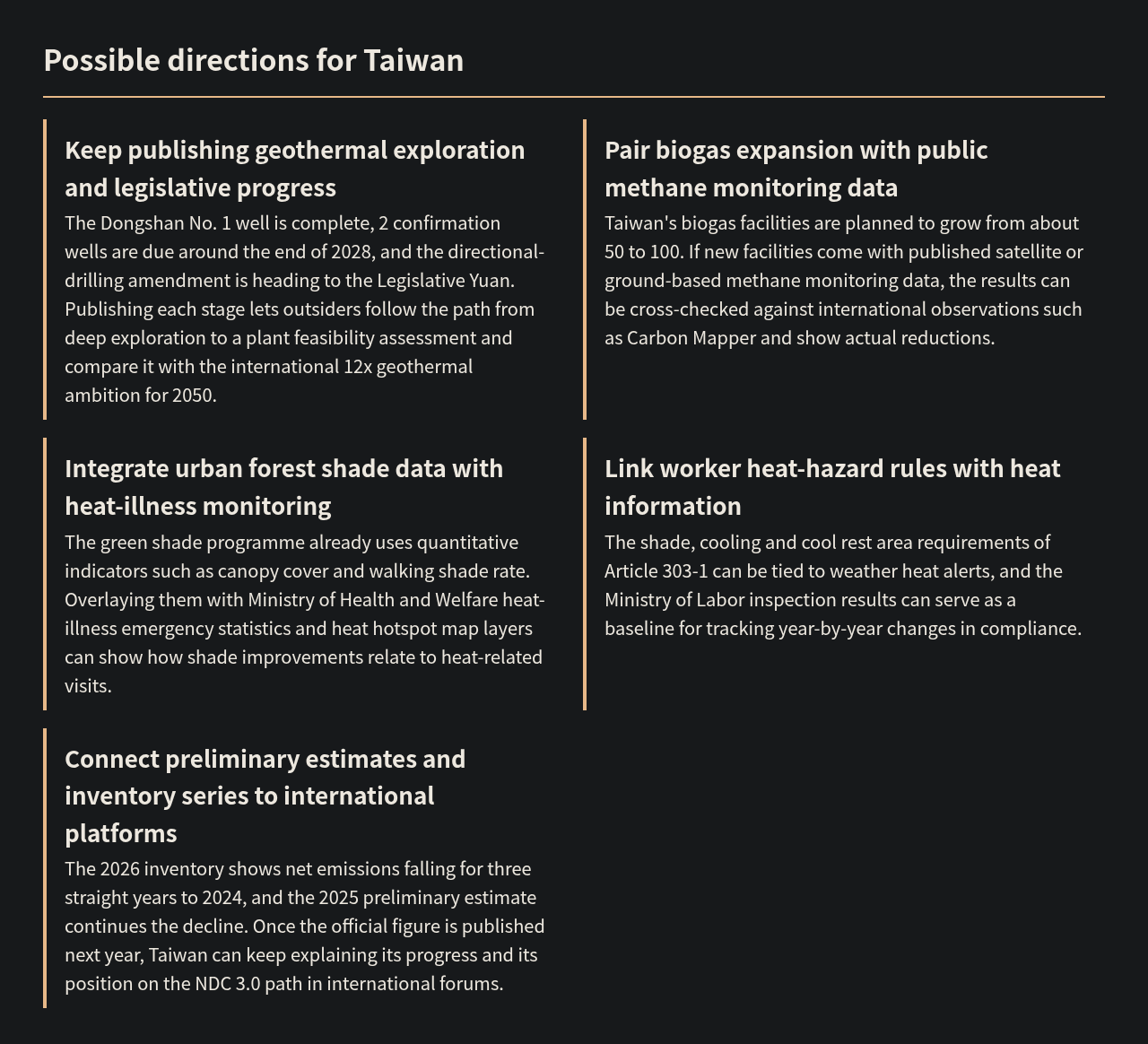
Possible directions for Taiwan
Sources
- UNFCCC: COP31
- United Daily News, 9 November 2026 (Chinese)
- UNFCCC: COP31 presidency announces new targets, 9 June 2026
- COP31: Bonn electrification target, 9 June 2026
- COP31 presidency: 35-by-35 and Antalya AI pledges, 21 September 2026
- COP31: clean energy transition
- ThinkGeoEnergy: COP31 Global Geothermal Ambition 2050
- ThinkGeoEnergy: top 10 geothermal power countries at year-end 2025
- Global Solar Council, 8 October 2026
- UCLA Law: top methane sources in Türkiye's waste sector
- UNFCCC: COP31 Global Climate Action Agenda
- Al-Monitor: COP31 comes to Türkiye as satellites reveal landfill methane problem
- Global Methane Pledge text
- Carbon Mapper: Tanager-2 first methane plumes, October 2026
- Lancet Countdown 2026 report
- Lancet Countdown indicator 1.1.5, heat-related mortality
- Lancet Countdown indicator 1.1.1, heatwave exposure
- WHO, 28 October 2026
- Copernicus: 2026 temperature outlook
- CNA: Taiwan geothermal progress and Dongshan well, 3 September 2026 (Chinese)
- Ministry of Environment: Biogas Bioenergy Resource Industry Alliance, 9 June 2026 (Chinese)
- Ministry of Labor OSHA: heat-hazard prevention and Article 303-1 (Chinese)
- CNA: national green shade (urban forest) programme, 20 July 2026 (Chinese)
- United Daily News: smart urban forest governance memorandum, 29 October 2026 (Chinese)
- China Times: heat-illness emergency visits, 9 August 2026 (Chinese)
- CNA: 2025 net emissions preliminary estimate, 9 November 2026 (Chinese)
- Ministry of Environment: COP31 forum series press release (Chinese)
- Ministry of Environment: schedule of 10 forums (Chinese)
- Ministry of Environment: 9 November 2026 press release (Chinese)
- Ministry of Environment: national GHG inventory dataset
- Ministry of Environment: 2026 inventory release (Chinese)
- Ministry of Environment: NDC 3.0 approval press release (Chinese)
Leave a comment
Comments are reviewed before publication. Email is private and used only when contact is necessary. Privacy notice