1. The facility
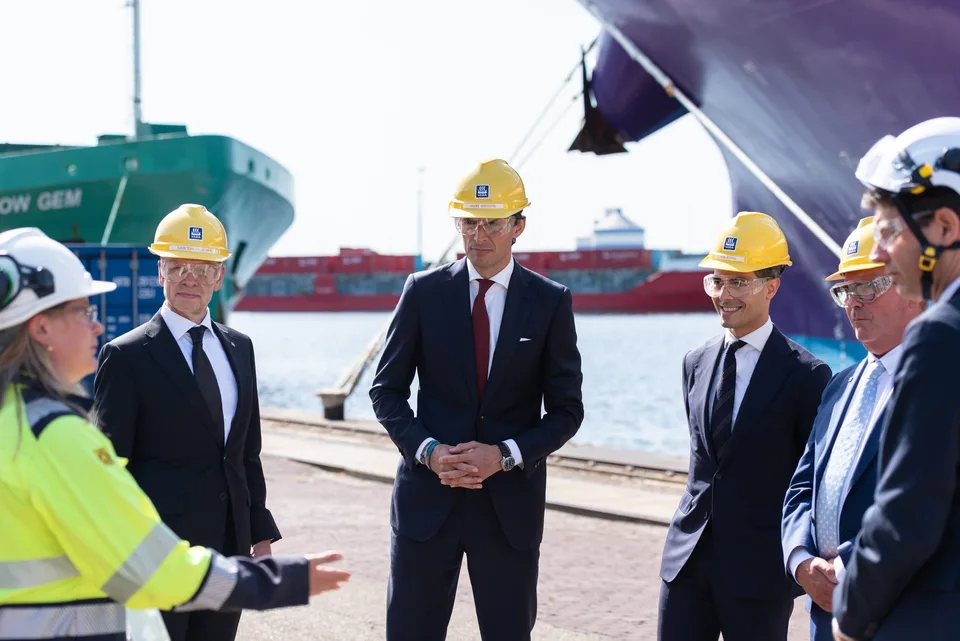
On 7 September 2026, Yara opened a carbon capture facility at its fertiliser plant in Sluiskil, Zeeland, the Netherlands. Dutch Prime Minister Rob Jetten and Norwegian Prime Minister Jonas Gahr Støre attended. In its October newsletter, the European Commission’s Directorate-General for Climate Action called it Europe’s largest commercial carbon capture and storage (CCS) facility.[1][2][3]
Sluiskil is Europe’s largest ammonia and fertiliser plant. Ammonia production releases carbon dioxide (CO₂) at a high concentration, making it easier to separate than CO₂ in ordinary flue gas. That is one reason fertiliser plants often become early CCS sites. The new facility can capture and liquefy up to 800,000 tonnes of CO₂ a year. Over 15 years, it is expected to capture and store about 12 million tonnes; the Norwegian government estimates that this is about 0.5% of the Netherlands’ annual emissions.[1][3]
2. How the CO₂ reaches Norway
A CO₂ shipment leaves a Dutch factory and ends up in rock beneath the Norwegian seabed. Capture, transport and storage happen in four steps across the two countries.[1][4][5]
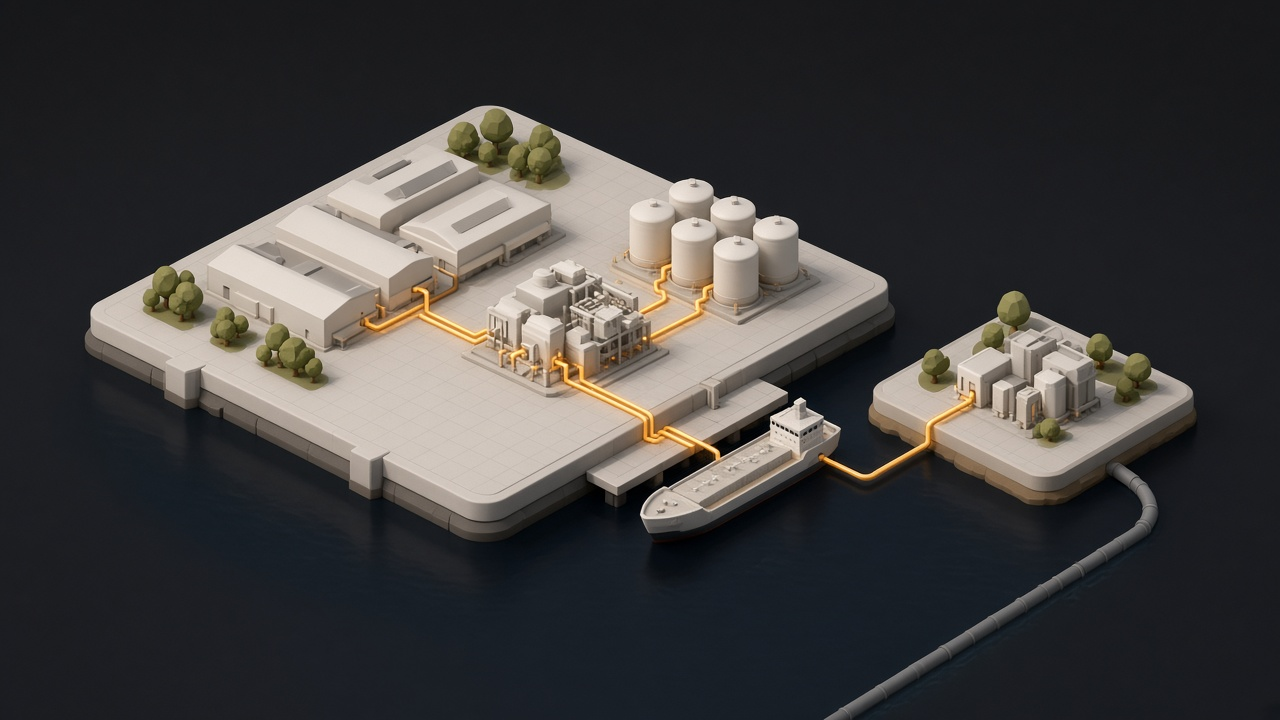
- Capture and liquefaction: CO₂ from ammonia production is collected at Sluiskil, compressed and cooled into liquid.
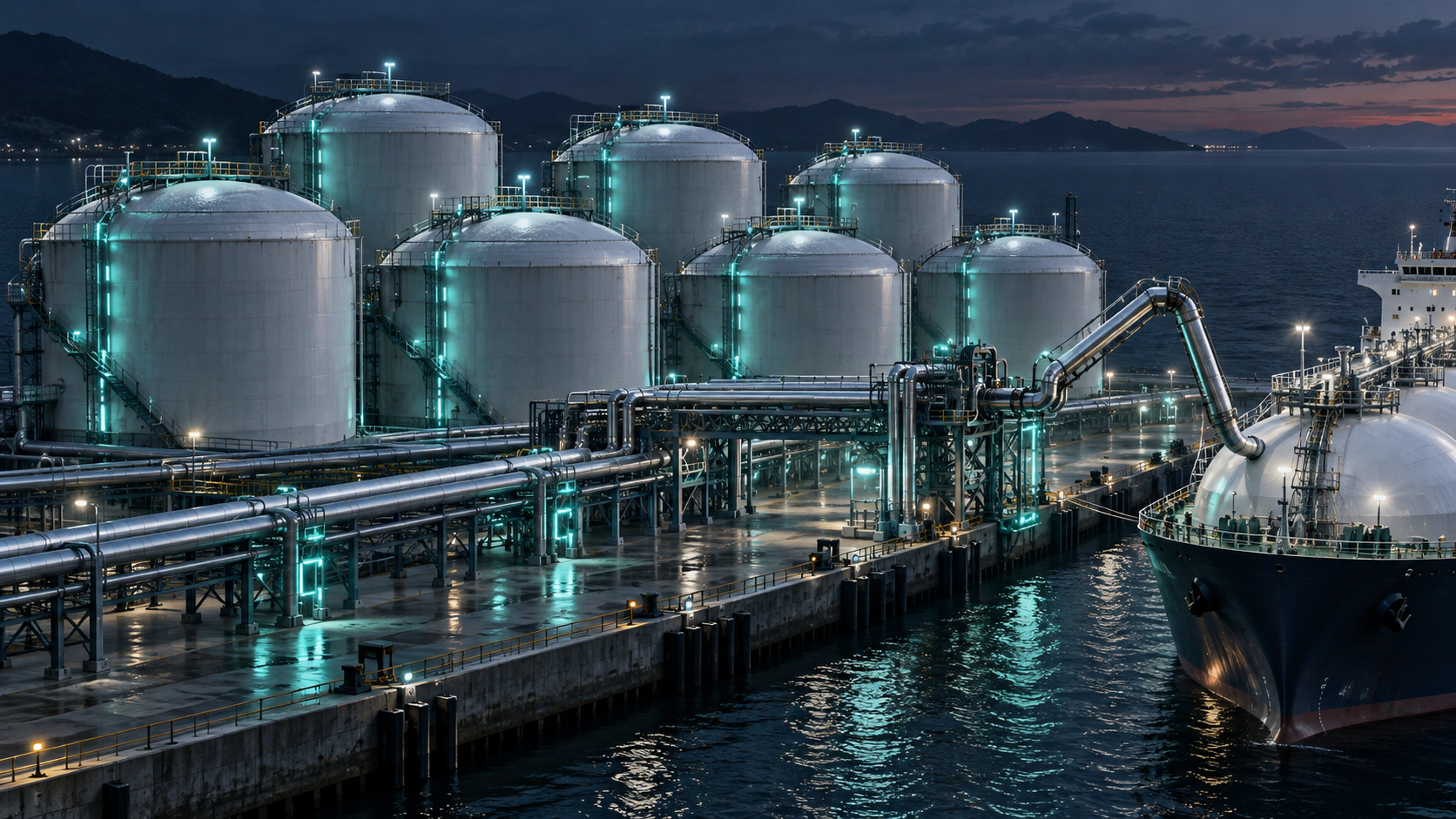
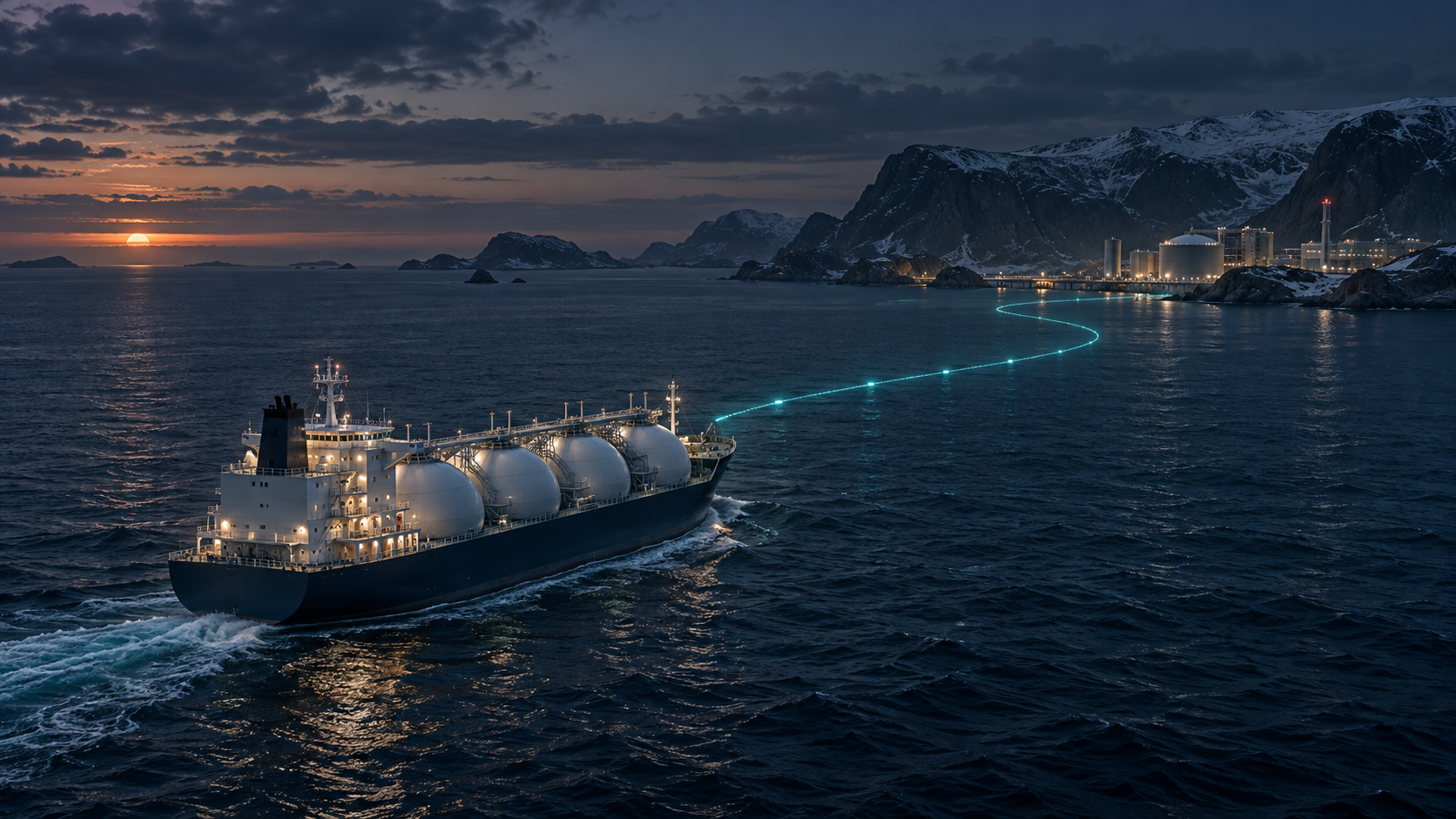
- Temporary storage: The liquid CO₂ waits in seven tanks at the plant, then is transferred to a Northern Lights carrier twice a week.
- Shipping: The carrier takes the CO₂ to the receiving terminal at Øygarden on Norway’s west coast.
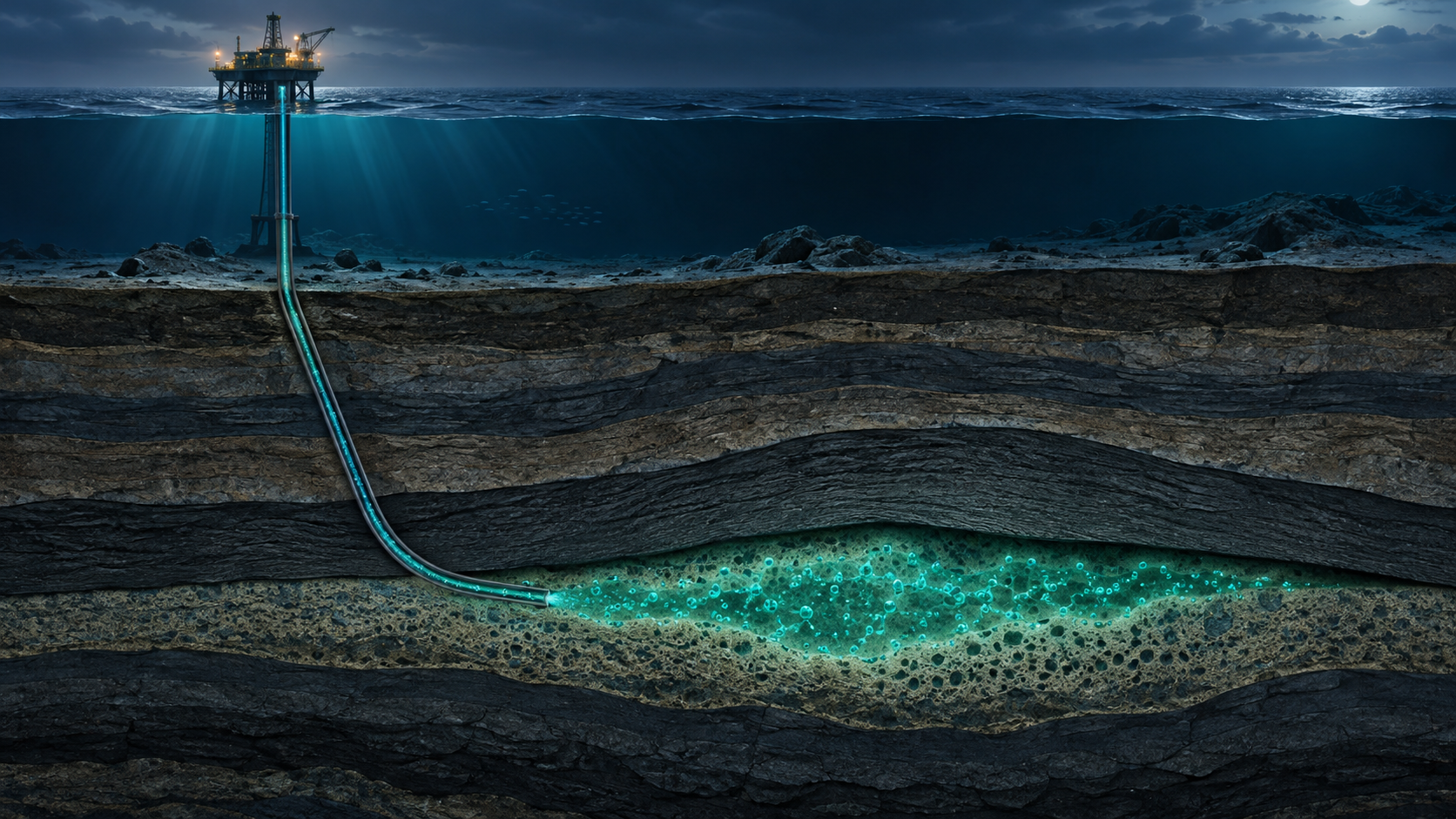
- Storage: After unloading into onshore tanks, the CO₂ travels through about 100 km of subsea pipeline and is injected into a saline aquifer about 2,600 m below the seabed for permanent storage.
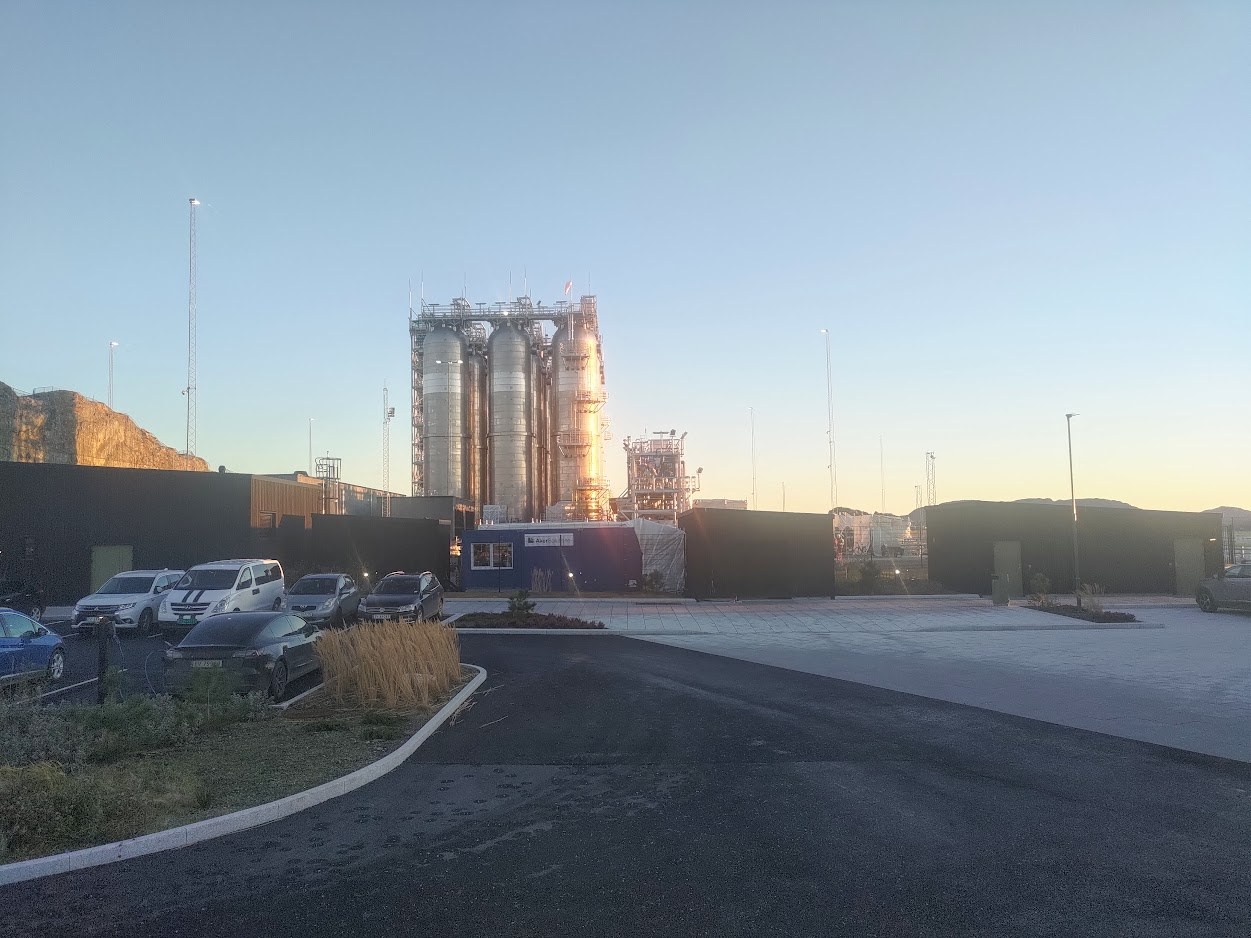
Northern Lights is a joint venture of Equinor, Shell and TotalEnergies. It handles transport and storage for Longship, the Norwegian government’s full-scale CCS programme. The Sluiskil shipment is Longship’s first international delivery.[3][5] Phase one can handle 1.5 million tonnes a year and is fully booked. Phase two, approved in 2025, will raise capacity to at least 5 million tonnes a year and has received €131 million from the EU’s Connecting Europe Facility for Energy.[5]
3. Why the company invests
Under the EU Emissions Trading System (EU ETS), a plant must surrender one allowance for every tonne of CO₂ it emits. Yara says CO₂ sent for permanent storage avoids that carbon cost.[1] For industries with large process emissions that need capture, the carbon price gives companies a direct financial reason to invest in the equipment.
4. Directions Taiwan can consider
Taiwan’s petrochemical, steel and cement plants are mostly in coastal industrial zones, giving them shipping access like Sluiskil. This cross-border chain offers several practical reference points:
- Start with concentrated sources: Ammonia, hydrogen and ethylene oxide processes release CO₂ at higher concentrations, so capture costs are relatively low and they can serve as early demonstrations.
- Use shipping to link sites: When emitters and storage sites are separate, CO₂ can first be liquefied and shipped to connect the value chain; pipelines can follow as demand grows.
- Share transport and storage: Northern Lights accepts CO₂ from several companies as a third-party service, allowing users to share infrastructure costs.
- Combine carbon pricing with public support: Companies invest to avoid carbon costs, while governments and the EU support transport and storage infrastructure. Taiwan’s carbon fee and future emissions trading system can draw on this division of roles.
ccs.tw has also covered Germany’s push for cross-border CO₂ storage and EU funding for pre-commercial CCS testing. For Taiwan’s carbon pricing, see the carbon fee and ETS dual track.
References
- Yara International, Europe's largest carbon capture facility officially inaugurated at Yara Sluiskil in the Netherlands (2026-09-07). https://www.yara.com/corporate-releases/europes-largest-carbon-capture-facility-officially-inaugurated-at-yara-sluiskil-in-the-netherlands/
- European Commission DG CLIMA, EU Climate Action newsletter, September 2026 edition (2026-10-06).
- Government of Norway, Prime Minister attended opening of world's first cross-border carbon capture project (2026-09-07). https://www.regjeringen.no/en/whats-new/prime-minister-attended-opening-of-worlds-first-cross-border-carbon-capture-project/id3172017/
- Yara International, Carbon Capture and Storage press kit. https://www.yara.com/news-and-media/media-library/press-kits/carbon-capture-and-storage/
- gCaptain, Europe's Largest Carbon Capture Facility Opens, Sending CO2 by Ship to North Sea Storage (2026-09-08). https://gcaptain.com/europes-largest-carbon-capture-facility-opens-sending-co2-by-ship-to-north-sea-storage/
Leave a comment
Comments are reviewed before publication. Email is private and used only when contact is necessary. Privacy notice